

























Government Shutdown 2026 Update: Senate Democrats Block DHS Funding Bill, Schumer Pushes Split Vote as Deadline Hits Friday Night

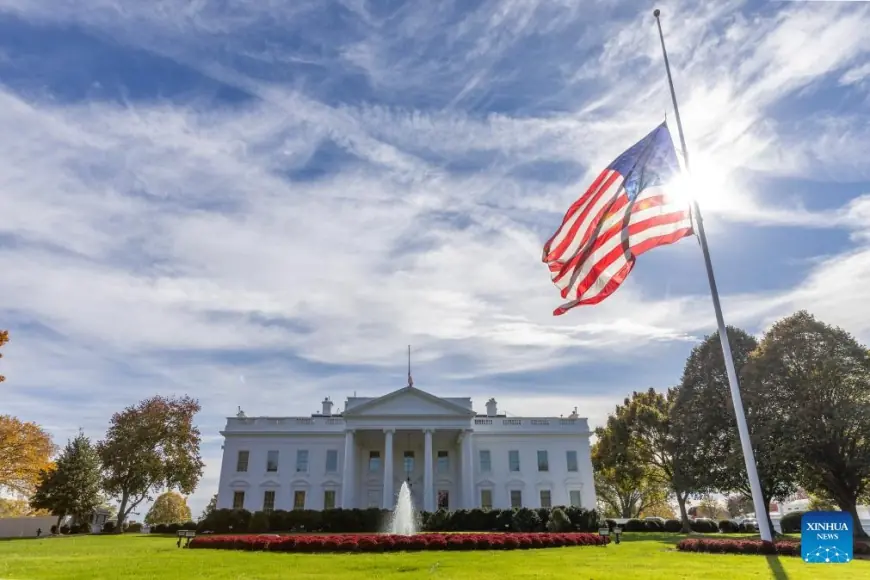
Washington is barreling toward a government shutdown in 2026 unless lawmakers clear a funding deal by 11:59 p.m. ET on Friday, January 30, 2026. The immediate trigger is not the usual topline spending number. It is a political rupture over the DHS funding bill, after the fatal shooting of a U.S. citizen in Minneapolis during an immigration enforcement operation ignited a new fight over accountability, oversight, and the role of federal agents in crowd settings.
As of Wednesday, January 28, 2026 ET, Senate leaders are still at an impasse: Senate Democrats say they will not allow the current DHS funding bill to pass as written, while Republicans insist the House-passed package should move without changes.
Government shutdown update: what is stuck and why it matters
At the center is a six-bill spending package that would fund major parts of the government for the rest of the fiscal year. Democrats are demanding that the DHS portion be separated and rewritten, arguing that the current bill entrenches controversial enforcement practices and weakens internal oversight functions at the very moment the department’s actions are under national scrutiny.
Senate Democratic leader Chuck Schumer is urging a “split-and-pass” approach: advance five bills now to avert a shutdown, and negotiate the DHS measure separately. Republicans, led by the Senate’s top Republican John Thune, are resisting, warning that reopening negotiations risks delays and invites further demands.
DHS, ICE, and the Minneapolis catalyst
The standoff is being fueled by the Minneapolis killing of Alex Pretti, which has become a flashpoint for lawmakers who want tighter constraints on immigration enforcement operations. Democrats are pushing reforms that would increase accountability for agents and raise the evidentiary bar for certain actions.
But here’s the twist that complicates the leverage: ICE and parts of DHS may keep operating even in a partial shutdown because of earlier funding decisions that left the department with substantial money outside the annual appropriations cycle. That means the political pain of a shutdown could land hardest on unrelated agencies, while the agency at the center of the dispute continues many operations.
“Seven” and Tom Suozzi: the House vote becomes a Democratic pressure point
Another accelerant is what happened on the House side. The DHS measure passed the House with seven Democrats voting yes, and one of them, New York Representative Tom Suozzi, publicly said he regretted supporting it after hearing backlash from constituents.
That “seven” has become shorthand inside Democratic politics: progressives are using it to argue that any support for the DHS bill enables abuses, while swing-district Democrats are warning that a shutdown could boomerang politically. Suozzi’s reversal shows how quickly the ground has shifted inside the party.
Angus King and the Senate math
Independent Senator Angus King, who caucuses with Democrats, has said he cannot support a package that funds ICE under current circumstances. His position matters because the Senate’s margin is tight enough that a unified Democratic bloc can force a stalemate, especially if the path forward requires overcoming procedural hurdles.
The bottom line on the Senate math: Democrats do not need to defeat the bill in a simple up-or-down sense to create a shutdown scenario. They can prevent the Senate from moving forward fast enough to meet the deadline.
Who gets hit first in a partial shutdown, and what “partial” really means
If funding authority lapses at 11:59 p.m. ET Friday, a shutdown would begin 12:00 a.m. ET Saturday, January 31, 2026. “Partial” means some agencies continue under existing funding or fee reserves, while others halt non-essential operations and furlough workers.
One immediate institutional warning sign is the federal judiciary. Court administrators have indicated that courts can keep operating for a short period using reserve funds, but full paid operations may become difficult to sustain after Tuesday, February 4, 2026 ET if Congress does not act. That raises the stakes for everything from scheduling to staffing to the pace of hearings.
Behind the headline: incentives and stakeholders driving the showdown
This is a classic collision of incentives:
-
Democrats’ incentive: show tangible consequences for DHS actions, protect civil liberties credibility, and avoid normalizing aggressive enforcement without guardrails.
-
Republicans’ incentive: defend enforcement agencies, avoid reopening a House-passed deal, and frame Democrats as choosing a shutdown.
-
The White House’s incentive: keep immigration enforcement operating, maintain message discipline, and limit concessions that look like a retreat.
-
External stakeholders: federal workers, contractors, disaster-response pipelines, state and local governments relying on grants, and courts managing dockets and juries.
Second-order effects are already visible: agencies delay hiring and contracts, grantees brace for payment interruptions, and public services that depend on federal processing slow down even before a shutdown formally begins.
What we still don’t know
Several missing pieces will decide whether this ends in a shutdown or a last-minute patch:
-
Whether Senate leaders agree to a procedural vote that separates the DHS bill from the other five
-
Whether any narrower “DHS fixes” package can attract enough bipartisan support quickly
-
Whether the House will return early if the Senate changes the deal
-
How firmly the White House holds the line if the shutdown begins and public pressure spikes
What happens next: realistic scenarios with triggers
-
Split-and-pass succeeds
Trigger: Republicans allow separate votes, five bills clear the Senate, DHS becomes a standalone negotiation. -
Short continuing measure
Trigger: Leadership opts for a brief stopgap to buy days for DHS negotiations without shutting down agencies. -
Partial shutdown begins
Trigger: No agreement by 11:59 p.m. ET Friday, with agencies starting furlough and service suspensions Saturday. -
DHS deal hardens, shutdown extends
Trigger: Neither side budges on oversight and enforcement terms, and the House remains out of session. -
Late concession tied to transparency
Trigger: A compromise emerges around reporting requirements, disciplinary standards, or independent review structures that lets enough Democrats vote yes.
The immediate watch is simple: whether Senate leadership can find a path to “pass” the non-DHS bills before Friday night, or whether the DHS fight drags the rest of the government into a shutdown countdown.