
























Williams Addresses Allegations of Testing Failures and Car Weight Issues

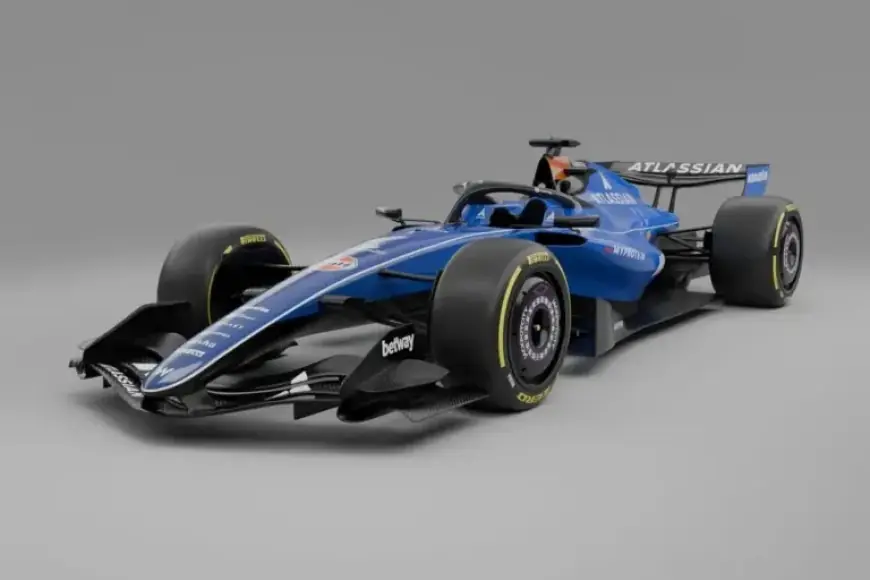
Williams Racing has successfully completed all homologation tests for its 2026 Formula 1 car, the FW48. Although the team missed the pre-season test in Barcelona, they are planning a shakedown ahead of the Bahrain test set to begin on February 11.
Recent Challenges Faced by Williams
The decision to skip the Barcelona test arose due to delays in readying the FW48. Speculations circulated that these delays were linked to alleged failed crash tests and concerns about the car’s weight.
Team Principal’s Statements
Williams team principal, James Vowles, addressed the media, including The Race, clarifying that the team has passed all necessary tests. He emphasized that the complexities of the 2026 car project have led to production hurdles, making it significantly more complicated than previous models.
Vowles noted, “As we fell behind schedule, we began to realize the complexity involved in this project.” He refrained from confirming any specifics on weight or crash test failures, stating, “The exact weight will only be known at Bahrain.” He acknowledged the challenges but downplayed concerns, assuring that initial failures were “blips in the grand scheme of things.”
Weight and Performance Concerns
Most F1 teams are currently grappling with maintaining the weight limit as cars have become 30 kg lighter this year, despite the introduction of heavier power units. This has raised questions about whether Williams is managing to meet these new standards.
Vowles hinted at potential compromises made during production, which could have influenced crash test outcomes. “We have pushed the boundaries of what is achievable,” he explained, indicating that not all tests were passed on the first attempt. However, he believes these are manageable within the overall timeline.
Alternative Testing Strategies
To compensate for not testing in Spain, Williams has implemented an advanced virtual testing program, combining the car, engine, and gearbox in a virtual environment. This approach likely mitigates some risks associated with missing traditional on-track testing.
Vowles elaborated, stating, “While we could have participated in Barcelona, the cost implications on spares and components were too significant.” He remains confident that focusing on proper preparation for the Bahrain test will yield better results for the team.
Conclusion
Williams Racing aims to debut its FW48 with a well-considered strategy in Bahrain. As they navigate the complexities of the 2026 season, the team’s focus remains on maximizing performance while addressing early challenges.