























Germany Issues Travel Warning as U.S. Winter Storm and Protest Clashes Raise Risk Concerns

Germany issues travel warning language is back in circulation after the country’s Federal Foreign Office updated its U.S. travel and security guidance this week, urging German travelers to exercise heightened caution. The advisory highlights two immediate pressures at once: severe winter weather disrupting transport and utilities, and the potential for violent confrontations around demonstrations in Minneapolis and other cities.
The guidance does not tell travelers to cancel all trips outright. Instead, it advises closer situational awareness, practical risk reduction, and flexibility in travel plans as conditions develop.
What Germany is warning travelers about
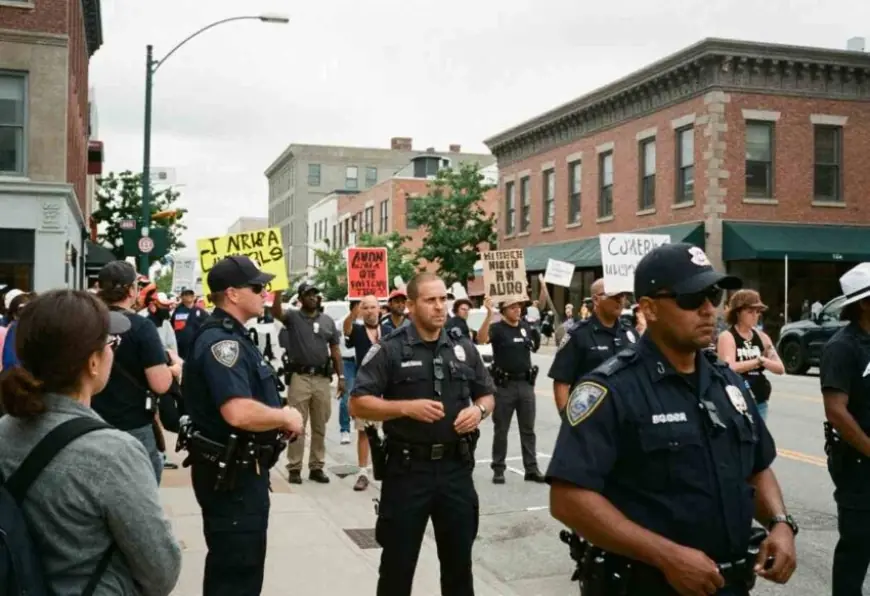
In its latest update, Germany’s Foreign Foreign Office pointed to demonstrations that can, in some cases, turn into violent clashes with migration and security authorities. The advisory urges travelers to follow local media, remain vigilant, and avoid crowds where violence could occur. It also reminds visitors that identification requirements exist in multiple U.S. states and that travelers should stay calm and follow instructions from authorities and local security forces if they encounter unrest.
The same update also underscores the impact of a major winter storm across wide parts of the United States. It notes heavy snow, ice, extreme temperatures, power outages, and significant infrastructure disruption, with large-scale flight cancellations and emergency declarations in multiple states. The guidance advises avoiding non-essential travel in affected areas and preparing for major transport restrictions if travel is unavoidable.
Some specifics have not been publicly clarified about how long the elevated risk around demonstrations will persist in each affected city. Further specifics were not immediately available about which U.S. regions may see the most severe storm-related knock-on effects over the next several days.
Why this matters now for travelers and trip planning
Travel warnings and heightened advisories tend to matter most when they affect the decisions people must make immediately: whether to fly, whether to drive, where to stay, and how to move safely through unfamiliar cities. A winter storm can strand travelers through airport closures, canceled flights, icy roads, and temporary shortages of services such as fuel or hotel availability. Separately, protests can lead to sudden street closures, transportation reroutes, or rapidly changing police activity near downtown cores, government buildings, and major transit corridors.
These risks are not limited to one category of traveler. Tourists can be caught off guard by localized disruptions. Business travelers can face missed meetings and limited mobility. Students and exchange visitors may need to adjust daily routines, especially if campus operations or local transit schedules change due to weather or security activity.
How travel advisories work and how to use them effectively
Travel advisories generally function as living documents rather than one-time announcements. They are updated as officials assess threats, confirm changes on the ground, and incorporate new information from host-country authorities. The most useful way to treat a heightened advisory is as a decision framework: it does not predict what will happen to a specific person, but it helps travelers identify the conditions that increase risk and the behaviors that reduce it.
In practical terms, that means planning for contingencies. Travelers can choose routes that avoid known demonstration areas, build extra time into airport transfers, and keep hotel bookings flexible. During major weather events, it means monitoring airline notifications, local emergency instructions, and road condition alerts, while preparing for power outages that can affect heating, elevator service, and communications. During periods of civil unrest, it means limiting time in dense crowds, knowing multiple exit routes, and avoiding filming or engaging in confrontations that can draw unwanted attention.
Who is affected and what to do next
Two groups feel the impact most directly: German leisure travelers and German residents in the United States, including students and longer-term visitors. Leisure travelers may face higher costs and disruption if they need to rebook flights, extend hotel stays, or switch destinations. Longer-term visitors may need to adjust commuting routines, avoid certain areas temporarily, and ensure they have accessible documentation and emergency contacts if local conditions shift quickly.
A second set of stakeholders includes airlines, tour operators, and hospitality businesses, which often see surges in rebooking requests during storms and spikes in cancellations when travelers perceive security risks. Even when core services continue operating, the demand for customer support and last-minute changes can increase sharply.
The next verifiable milestone is the Foreign Office’s next posted advisory update, which typically follows changes in weather severity, transport disruptions, or the security situation around demonstrations. Travelers with imminent departures should expect guidance to evolve quickly and should plan for last-minute adjustments rather than assuming conditions will remain stable through the week.