









Rubio Criticizes Maduro as ‘Obstacle to Progress’ for Rejecting Deal

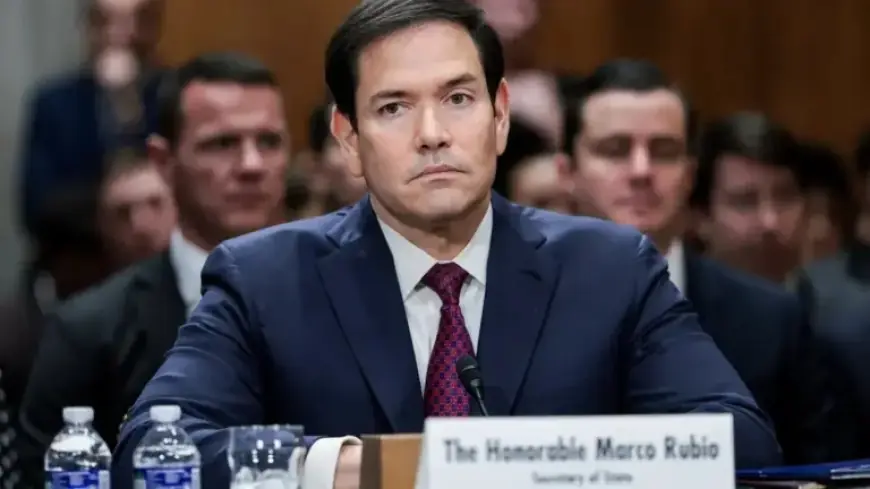
The ongoing political turmoil in Venezuela has taken center stage as U.S. officials critique the actions of President Nicolás Maduro. During a Senate hearing on January 28, Secretary of State Marco Rubio labeled Maduro an “obstacle to progress.” He emphasized that Maduro rejected a deal that could have altered the country’s direction before he was unexpectedly captured in a military operation on January 3.
Rubio’s Criticism of Maduro
Rubio expressed that Maduro’s history of broken agreements has made him untrustworthy, stating, “not even the Vatican” wishes to negotiate with him. He indicated that Maduro’s strategy was to delay meaningful deals until a new U.S. administration might offer friendlier terms.
Post-Capture Developments
Following Maduro’s capture, the Trump administration proposed a significant $2 billion deal focused on selling Venezuela’s oil. Delcy Rodríguez, Maduro’s vice president who succeeded him, has begun to implement legal reforms align with this plan. Despite this cooperation, Rodríguez has made critical statements regarding the U.S.
- On January 25, she declared, “Enough already of Washington’s orders to politicians in Venezuela.”
- Rubio noted that the U.S. maintains a “respectful and productive line of communication” with her.
Senate Reactions and Concerns
Despite the developments, Senate Democrats raised concerns regarding the transition of power. Senator Jeanne Shaheen highlighted that Venezuela seems to have “traded one dictator for another.” She expressed skepticism about the stability and authenticity of Rodríguez’s apparent cooperation.
The Path to Free Elections
Rubio stressed that achieving “free and fair elections” in Venezuela will be complex. He acknowledged challenges such as media access for opposition candidates, stating that simply holding elections is insufficient under the current circumstances.
Moreover, Trump has publicly praised Rodríguez as “terrific.” Recent meetings with CIA Director John Ratcliffe hinted at deeper U.S. engagement in Venezuela. However, intelligence reports have raised concerns about the sincerity of Rodríguez’s cooperation with U.S. objectives.
Conclusion
The political landscape in Venezuela remains unstable, and the U.S. maintains a cautious but strategic approach under the new regime. As tensions continue to rise, the international community watches closely to see how this situation unfolds.