























Carney Government Boosts GST Credit for Low-Income Families

The Carney government has unveiled measures aimed at providing financial relief to low-income families struggling with grocery bills. The initiatives include an increase in the Goods and Services Tax (GST) credit by 25% over the next five years. This modification is expected to benefit approximately 12 million Canadians.
Details of the GST Credit Increase
The GST credit, distributed quarterly, will see significant changes starting in June. For the current year, single low-income individuals will receive $950, an increase from the previous $540. Over the next four years, the amount will remain at $700 annually.
- Single Individuals: Current year – $950; Following years – $700/year.
- Families with Two Children: Current year – $1,890; Following years – $1,400/year.
Immediate Payment Support
Additionally, a one-time special payment will be issued, equating to about half of the annual GST credit value. This move is designed to provide urgent support to families facing financial hardships.
Food Insecurity Statistics
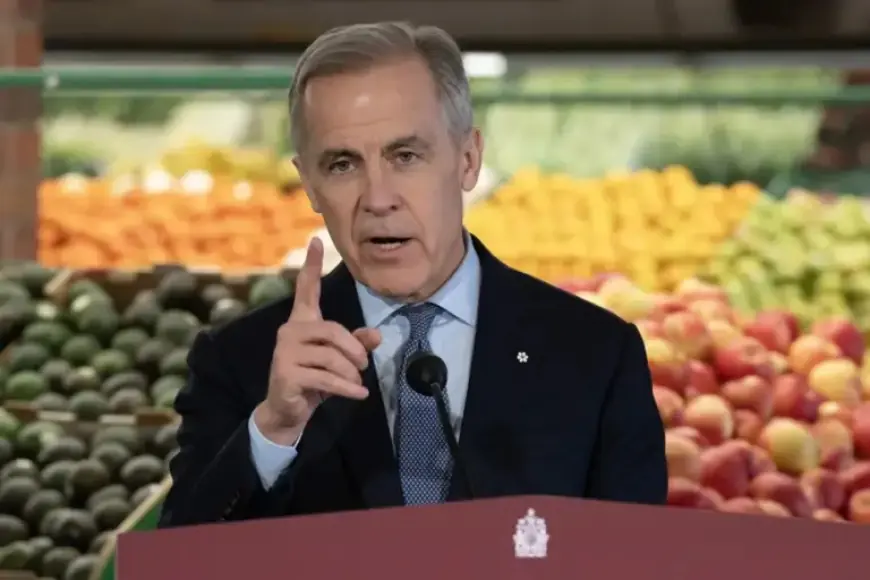
Prime Minister Mark Carney emphasized the pressing need for assistance, highlighting that food costs are a significant burden for many. Last year, Food Banks Canada reported that nearly 2.2 million Canadians accessed food banks monthly. Currently, 25% of households are experiencing food insecurity, with an alarming 50% on the brink of needing food bank services.
Financial Impact of Budget Measures
The GST credit enhancement is projected to cost the Canadian treasury $3.1 billion this year and $1.3 billion in the subsequent year. According to the Institute of Research on Public Policy, targeted income benefits, such as the GST credit, are among the most effective ways to quickly assist low-income households.
Support for Agricultural Production
To bolster food security, the government announced that agricultural producers can fully deduct the cost of greenhouses acquired since November 4, 2025, which are to be used before 2030. This initiative is aimed at increasing domestic food production and investment.
Investment in Food Infrastructure
Ottawa will also allocate an additional $20 million to the Local Food Infrastructure Fund. This funding will help local, regional, and national organizations provide nutritious food to families in need.
Political Reactions
The cost of living continues to be a significant concern for many Canadians. Opposition leader statements suggest that more steps are needed to help families. The Conservative Party has urged the government to reduce taxes on farmers and food producers, while the NDP has called for the elimination of GST on all food items.
During a press conference, Prime Minister Carney dismissed suggestions that the announcements were politically motivated, framing them instead as necessary economic measures responding to urgent needs. He reiterated that his government’s broader economic strategy aims to reduce reliance on the U.S. market, though he acknowledged that Canadians may need to wait to see tangible benefits.
In summary, the Carney government’s focus on enhancing the GST credit and providing immediate financial aid aims to address food insecurity and support low-income families across Canada.