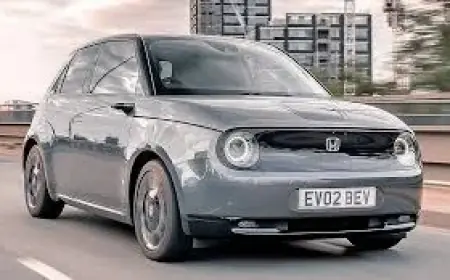

























Waabi Secures $1B to Launch Robotaxis with Uber Partnership

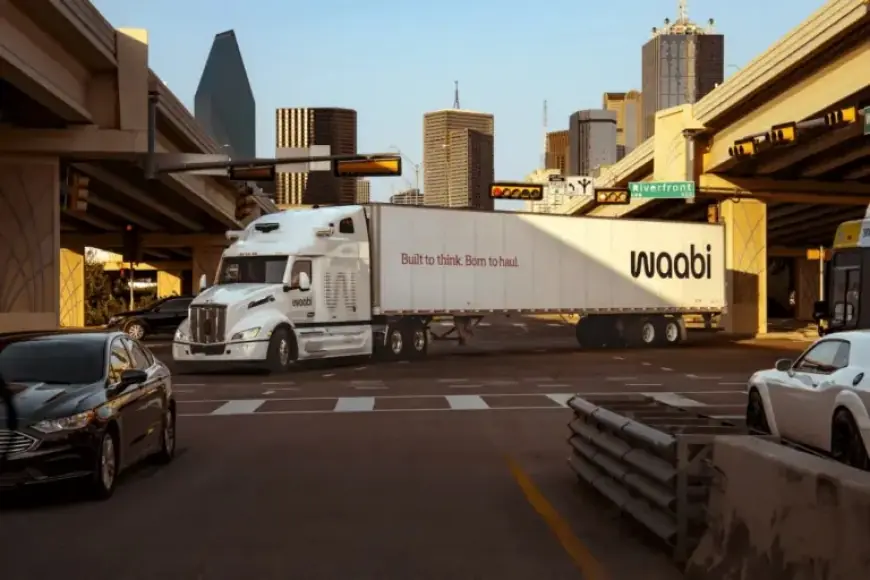
Waabi, an autonomous vehicle startup, has successfully raised $1 billion and announced a strategic partnership with Uber. This collaboration aims to deploy self-driving cars on Uber’s ride-hailing platform, marking a significant expansion for Waabi beyond its initial focus on autonomous trucking.
Funding and Investment Details
The funding mechanism includes a $750 million Series C round, which was oversubscribed and co-led by Khosla Ventures and G2 Venture Partners. Additionally, Uber has contributed about $250 million in milestone-based capital to support the deployment of over 25,000 Waabi Driver-powered robotaxis exclusively on its platform.
Technological Advancements
Waabi is leveraging its artificial intelligence technology, which aims to scale across multiple autonomous vehicle verticals. Founders, including Raquel Urtasun, state that their innovative AI architecture is key to managing both trucking and robotaxi markets simultaneously. Urtasun emphasizes that Waabi’s core technology enables a singular solution capable of addressing various needs efficiently.
Background of Leadership
CEO Raquel Urtasun previously was the chief scientist at Uber’s autonomous vehicle division, Uber ATG. This background is significant as the partnership builds upon Waabi’s existing relationship with Uber Freight. Waabi joins a growing list of autonomous vehicle companies collaborating with Uber, including notable names like Waymo and Nuro.
Future Directions and Strategies
- Waabi plans to use a closed-loop simulator named Waabi World for training its Driver technology.
- The simulator helps create digital twins of the real world, enabling real-time sensor simulations and stress tests.
- This approach allows Waabi’s technology to generalize faster and require fewer examples compared to traditional systems.
Urtasun outlines that Waabi has been developing its technology for over four years, focusing on both trucking and passenger vehicle data. Although plans for a fully autonomous truck were delayed, ongoing collaboration with Volvo aims to produce specialized autonomous trucks.
Market Position
Waabi has raised approximately $1.28 billion, contributing to a competitive landscape. Competitors such as Aurora Innovation and Kodiak Robotics have amassed $3.46 billion and $448 million, respectively. With successful commercial pilots launched in Texas, Waabi is now poised for broader market entry.
Urtasun believes the demand for Waabi’s trucks is high, bolstered by a direct-to-consumer sales model. With the Uber partnership, she expresses confidence in penetrating the market rapidly and scaling production. “We’re still in the first innings of deployment of robotaxis,” she remarked, indicating significant growth potential ahead.
Conclusion
As Waabi embarks on this pivotal journey in collaboration with Uber, its potential to reshape the autonomous vehicle landscape continues to expand. With innovative technology and strategic partnerships, Waabi stands ready to tackle the challenges of deploying robotaxis effectively and efficiently.