























Freeze warning posted in parts of Florida as Jacksonville, Orlando, and Tampa turn chilly while Miami stays cool

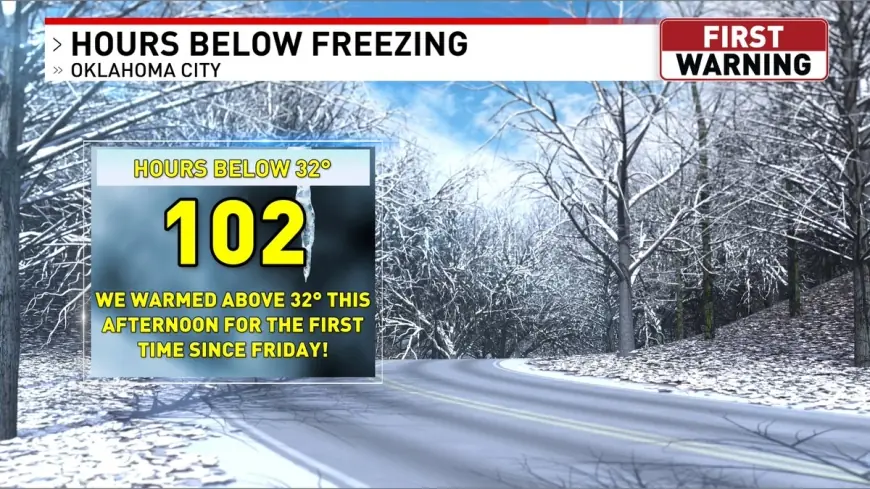
A freeze warning is in effect across parts of Florida as a sharp cold snap pushes overnight temperatures toward the freezing mark in several inland communities. The broad Florida weather story on Wednesday, January 28, 2026 ET is a split state: north and central areas are dealing with frosty mornings and spotty sub-freezing pockets, while South Florida is cooler than normal but largely staying above freezing for now.
Some specifics have not been publicly clarified, including exactly how low temperatures will dip in every neighborhood, since small differences in wind, cloud cover, and distance from the coast can change conditions block by block.
Freeze warnings concentrate inland, with colder air favored away from the coast
Freeze warnings typically focus on locations most likely to hit 32°F or colder for long enough to damage sensitive plants and expose pets to risk. In this outbreak, the most vulnerable spots are generally inland and rural areas, where nighttime cooling is stronger and sea breezes provide less protection.
In coastal metros, official readings can sit a few degrees above freezing even as nearby outlying areas slip to 30–32°F. That’s why the headline can feel surprising to city residents who wake up to mid-30s in town while friends 15 to 30 miles away report frost on windshields.
Further specifics were not immediately available on how many individual counties will be added or dropped from freeze headlines as conditions evolve through the morning and again overnight.
Jacksonville weather, Orlando weather, weather Tampa, and weather Miami: a quick city snapshot
Jacksonville weather stayed cold to start the day, with temperatures in the 30s and a Wednesday forecast featuring a high near the upper 50s and a low in the mid-30s. Another cool morning is expected Thursday, followed by a rebound toward the mid-60s by Friday.
Orlando weather also began in the upper 30s, with Wednesday rising to around 60°F and dropping back into the mid-30s at night. Sunshine Thursday supports a warmer afternoon in the mid-60s, then a move toward around 70°F by Friday with a milder overnight low.
Weather Tampa was cool but less extreme near the water, starting in the low 40s with a Wednesday high around 60°F and a low near 40°F. Thursday and Friday trend warmer, with highs climbing into the upper 60s while nights remain seasonably chilly.
Weather Miami looked different: still cool for South Florida standards, but not near freezing, with readings in the low 50s early and highs in the upper 60s to low 70s through Thursday. Brief showers are possible at times, and even when the sun is out, the breeze can make it feel colder than the thermometer suggests.
What a freeze warning means, and why it matters beyond the thermometer
A freeze warning is issued when temperatures are expected to reach 32°F or lower for a period long enough to threaten vegetation and increase cold exposure risks. In practical terms, it’s a heads-up that the cold is not just “chilly,” but capable of causing real-world problems—especially where heating is limited or where people, pets, and plants are left unprotected.
Here’s the mechanism in plain terms. Forecasters monitor anticipated overnight lows, wind speed, cloud cover, and how fast temperatures fall after sunset. Clear skies and lighter winds allow heat to escape rapidly from the ground, which is why the coldest readings often show up near daybreak. If those factors line up to support freezing conditions, a warning is posted for the most at-risk zones, and it’s adjusted as new observations come in.
Stakeholder impact extends well beyond gardening. Homeowners in colder pockets may face frozen outdoor faucets or exposed pipes. Growers and nursery operators can see rapid losses in tender crops and ornamentals. People without reliable heat, older adults, and young children are more vulnerable to hypothermia during long cold hours. Pet owners should plan for warmer shelter and shorter outdoor time overnight.
Key terms have not been disclosed publicly around how long sub-freezing temperatures will persist in every inland corridor, but the risk is generally highest near sunrise.
Florida weather outlook: a brief warm-up, then another cold punch to watch
In the short term, much of the peninsula trends warmer into Friday, with daytime highs improving and overnight lows lifting a bit. That does not necessarily end the story. Forecasters are also tracking another push of colder air that could arrive over the weekend and peak late Sunday into Monday morning, a setup that can widen freeze risk southward if skies clear and winds relax overnight.
For North Florida and interior Central Florida, that could mean another round of freeze headlines, and possibly colder lows than this week’s first wave in the most sheltered inland spots. For South Florida, the key question is whether the weekend air mass is strong enough to bring near-freezing readings into the interior and wind chills that feel unusually harsh for the region.
The next verifiable milestone will be the next round of updated watches, warnings, and advisories tied to the weekend cold front, which typically appear as confidence increases and timing becomes clearer.