
























NES Outage Map: Nashville Power Outages Persist After Ice Storm as Xfinity Outage Reports Add to Disruptions

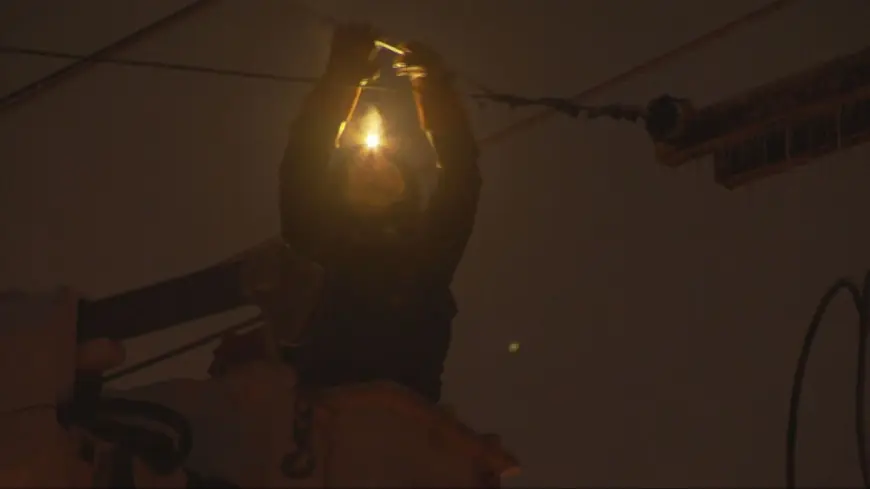
The NES outage map remained a frequent stop for Nashville residents early Wednesday, Jan. 28, 2026, as Nashville power outages continued days after an ice storm toppled trees, damaged lines, and left broad pockets of the city without electricity. While restoration crews have made visible progress, service has returned unevenly across neighborhoods, and many households are still juggling freezing temperatures, spoiled food, and disrupted routines.
At the same time, connectivity problems have layered on top of the power loss. Some customers have reported internet interruptions, including Xfinity outage complaints that reflect how quickly a local emergency can become a communications crunch when power, cables, and network equipment are stressed at once.
Nashville sees scattered restorations as crews work neighborhood by neighborhood
In Nashville, the pattern has been familiar to anyone who has lived through a major ice event: one block lights up while the next stays dark, and a home can briefly regain power only to lose it again when a damaged segment fails under load or crews shift to address a more dangerous fault. NES has warned that progress can be uneven, especially when restoration depends on clearing debris, replacing broken equipment, and safely re-energizing damaged sections in sequence.
Some specifics have not been publicly clarified about the exact restoration timing for each neighborhood, because conditions can change quickly as crews uncover new damage.
The scale of the storm damage has also meant more than simple line repairs. Ice and falling limbs can snap poles, twist crossarms, and bring down multiple circuits at once, turning a single outage into a complex rebuild that requires specialized crews and heavy equipment before any switching can safely bring customers back online.
What the NES outage map does, and why the numbers move so fast
The NES outage map is designed to give customers a real-time snapshot of outage clusters, but it is not a minute-by-minute promise of when your individual address will be restored. Maps typically reflect confirmed trouble calls and device alarms across the system, then update as crews isolate damaged sections, reroute power where possible, and verify that downstream equipment can safely carry load.
Here is the mechanism behind most storm restorations, in plain terms. Utilities usually prioritize repairs that restore the greatest number of customers first: damaged transmission links, key substations, and main distribution feeders that serve large areas. After that, crews move deeper into neighborhoods to repair laterals and individual service lines. If the equipment attached to a home has been damaged, the utility may be unable to reconnect service until a licensed electrician repairs the customer-owned components.
Further specifics were not immediately available about how quickly every remaining pocket can be repaired, because the final stretch of any storm restoration is often the slowest and most labor-intensive.
Xfinity outage complaints rise when power loss becomes a connectivity problem
Even when the internet provider’s core network is intact, widespread power outages can knock customers offline in several ways. Home routers and modems shut down without electricity. Neighborhood nodes and amplifiers can lose commercial power and rely on backup batteries that eventually run out. And storm damage can physically cut aerial cable and fiber lines the same way it damages electrical lines.
In practical terms, many residents see internet service return only after power is restored and local network equipment has been inspected or rebooted. That can create a lag between “lights are back” and “internet is stable,” especially in areas where crews are still clearing debris or where multiple utilities are repairing the same corridor.
For customers trying to determine whether they are dealing with a local equipment issue or a wider interruption, the most useful steps are straightforward: confirm power to the home, check whether neighbors have service, restart equipment after power stabilizes, and use the provider’s service-status tools tied to your address when available.
Who is affected first, and what to watch next
Two groups are feeling the disruption most sharply: households and small businesses. For households, the impacts are immediate and personal, especially for seniors, families with young children, and anyone who depends on electrically powered medical devices or refrigerated medications. For small businesses, outages can mean lost inventory, closed storefronts, canceled appointments, and disrupted payment processing, with remote work and school routines also thrown off when power and internet fail together.
Safety remains a core concern during this phase. Downed lines should be treated as energized, generators should never be used indoors or near open windows, and residents should use caution with space heaters and candles to reduce fire risk. If home service equipment is visibly damaged, repairs may need to happen before reconnection can be made safely.
The next verifiable milestone for residents will be the utility’s next posted restoration update and the next city recovery briefing, which together tend to provide the clearest public picture of progress, remaining trouble spots, and the expected shape of the final restoration push.