
















Former NATO Commander: Trump Poses Greater Threat to Alliance Than Putin

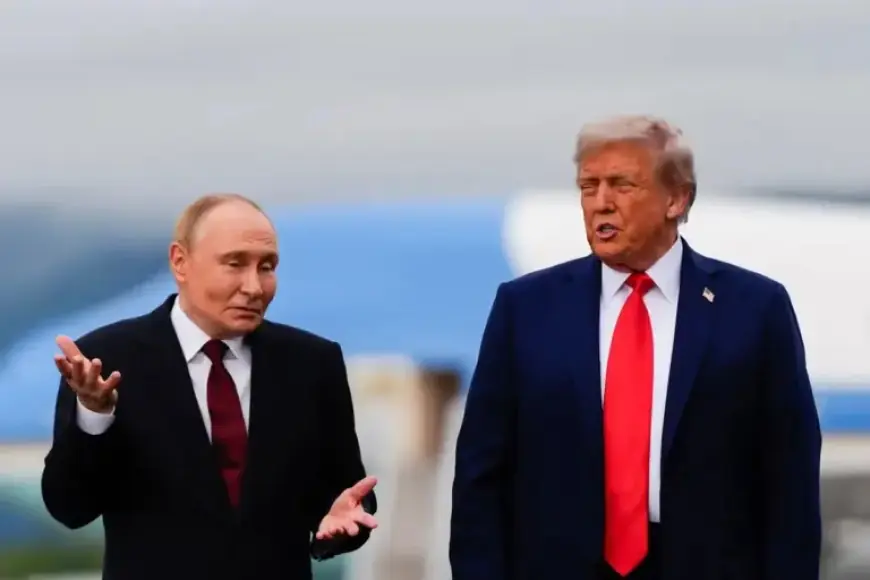
Former NATO Commander General Sir Richard Shirreff has made a bold assertion that Donald Trump poses a greater threat to NATO than Russian President Vladimir Putin. This statement comes amid concerns regarding Trump’s foreign policy actions and rhetoric, which have raised alarm within the alliance.
Trump’s Threats to NATO
General Shirreff’s comments highlight several actions taken by Trump that have led to increased anxiety about the stability of NATO. These include:
- Potential military intervention in Greenland.
- Controversial statements regarding European troops in Afghanistan.
- Increasing tensions in foreign policy, notably in Venezuela.
Shirreff emphasized that even after Trump declared he would not use force to claim Greenland, such threats cannot be dismissed lightly. He urged that Trump’s intentions should be taken seriously, much like those of Putin.
Impact on Transatlantic Security
The former deputy supreme allied commander for Europe criticized Trump for undermining a significant alliance that has ensured transatlantic security for 77 years. According to Shirreff, Trump has compromised the trust necessary for NATO cooperation.
He argued that while Putin embodies an existential threat to Europe, his aggressive actions—like the invasion of Ukraine—have ironically resulted in a more unified NATO response. Trump’s policies, contrastingly, have weakened transatlantic ties, likening them to a “dead duck” scenario.
Diverse Perspectives on Threats
While Shirreff’s views reflect deep concerns about Trump’s impact on NATO, other experts present differing analyses. Jon B. Alterman from the Center for Strategic and International Studies acknowledged that Putin’s actions have fostered unity within NATO. However, he suggested that Trump, despite his criticisms of the alliance, remains more persuadable due to domestic pressures.
Gabriel A. Giménez Roche pointed out that Trump’s contentious approach may not resonate with the American electorate. Polls indicate that many Americans prefer a collaborative stance with NATO allies, highlighting a potential check on Trump’s foreign ambitions.
Future of NATO Amidst Uncertainty
The discussion about NATO’s future continues, especially as Gen Shirreff encourages a shift towards greater European independence from U.S. influence during the remainder of Trump’s tenure. The uncertainty surrounding U.S. foreign policy indicates a need for NATO members to reassess their strategies and alliances.
A representative from the White House defended Trump, asserting that his administration has made significant contributions to NATO, including pushing for increased defense spending among allies.
As the political landscape evolves, the long-term implications of Trump’s presidency on NATO remain to be seen. Europe faces the challenge of navigating its security dynamics amid a changing transatlantic relationship.