Steelers Hire Mike McCarthy as Head Coach, Putting Aaron Rodgers’ 2026 Decision at the Center of Pittsburgh’s Next Era

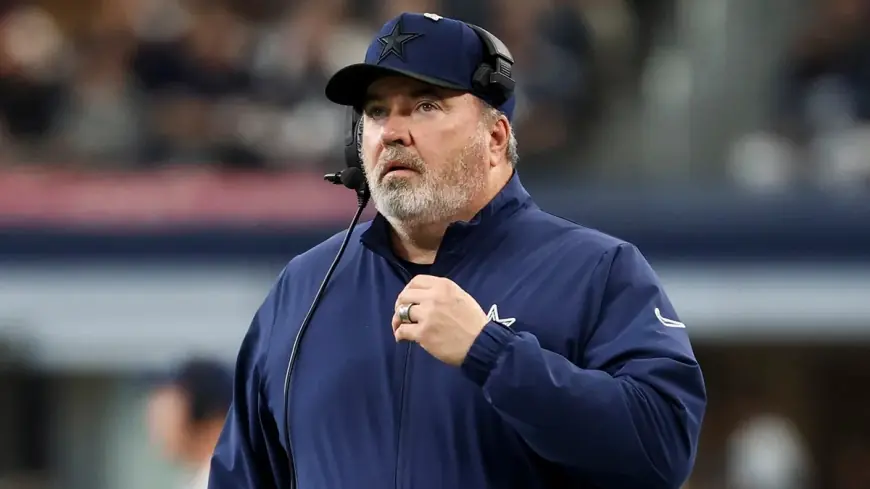
The Pittsburgh Steelers have hired Mike McCarthy as their next head coach, a significant shift for one of the NFL’s most stability-minded franchises. The move immediately reshapes the team’s offseason priorities because McCarthy has signaled he is open to Aaron Rodgers returning for 2026, setting up a high-stakes quarterback decision that will determine whether Pittsburgh pushes all-in to contend now or pivots toward a longer reset.
McCarthy was introduced on Tuesday, January 27, 2026, ET, stepping into a job that rarely becomes available in Pittsburgh. That scarcity changes the temperature of everything: expectations rise faster, patience shrinks, and every early staff and roster choice becomes part of a bigger verdict on whether the Steelers are chasing a title or merely changing the scenery.
Steelers new head coach Mike McCarthy: what Pittsburgh is buying
McCarthy arrives with the rare combination of a Super Bowl-winning résumé and deep NFL head-coaching mileage. He is 62, and his track record is long enough that the hire comes with a defined identity: an offense-first head coach who has managed superstar quarterbacks, high-pressure markets, and the weekly grind of a team expected to win.
There is also an unmistakable “fit” factor. McCarthy is a Pittsburgh native and has coached in the region earlier in his career, which matters in a city where credibility is earned quickly and skepticism is automatic. The Steelers are betting that familiarity with the culture, plus a proven NFL profile, will help shorten the transition from introduction to impact.
Mike McCarthy coaching record and what it signals
McCarthy’s regular-season head coaching record sits at 174–112–2 overall, including a 49–35 run with the Dallas Cowboys from 2020 through 2024. The numbers paint a clear picture: his teams win a lot, especially over long stretches, and he tends to raise the baseline of performance.
But the Steelers did not hire him to win a lot of games in September and October. They hired him to solve the problem that defines modern Pittsburgh football: getting over the playoff hump and sustaining a championship-level standard when the margins tighten. That makes two parts of his history especially relevant.
First, his peak seasons have often been tied to elite quarterback play and a system designed to maximize it. Second, critics have pointed to postseason inconsistency relative to roster talent at times. In Pittsburgh, those two themes collide immediately because Rodgers’ decision will either give McCarthy a veteran quarterback to build around right away or force a rapid Plan B at the position.
Behind the headline: why the Steelers moved fast after Mike Tomlin
Mike Tomlin stepped down on January 13, 2026, after 19 seasons, creating a rare opening that forced Pittsburgh into an unusually public, modern coaching search. The Steelers have hired only a handful of head coaches over the last half-century, and that history cuts both ways: it strengthens the brand of patience, but it also raises the bar for the next hire because the franchise does not often get a second try.
The incentives driving the McCarthy decision are straightforward:
-
Ownership wants immediate credibility after a transition that could have destabilized the building.
-
Veterans want a clear direction that keeps contention on the table, not a slow teardown.
-
McCarthy wants a legacy-defining third act in a place where winning matters more than style points.
-
Rodgers wants certainty: scheme, staff, and a pathway that does not waste what may be his final seasons.
This is also about identity. Pittsburgh football is traditionally associated with defense, physicality, and continuity. McCarthy represents a tilt toward offensive structure and quarterback-centric planning. That does not mean the Steelers will abandon their roots, but it does mean the franchise is acknowledging what the league has become: in the biggest moments, the team that can create points under stress usually survives.
The Rodgers question: why it changes everything
McCarthy and Rodgers share a long history from their Green Bay years, and that familiarity is now a strategic asset for Pittsburgh. If Rodgers returns, the Steelers can treat 2026 as a win-now season built around an experienced quarterback, aggressive roster choices, and a staff constructed to support immediate execution.
If Rodgers does not return, Pittsburgh’s priorities shift overnight. The Steelers would have to choose between chasing a veteran alternative, making a major trade, or accelerating a draft-and-develop timeline. Each path impacts the roster differently, from how much cap space is preserved to whether the team leans into short-term fixes at key positions.
What we still don’t know
Several missing pieces will determine whether this hire becomes a clean launch or a messy transition:
-
Rodgers’ final decision and the timeline for it
-
Who calls plays and how McCarthy structures offensive authority
-
The defensive leadership plan and whether the scheme changes materially
-
How Pittsburgh approaches roster retention versus cap-clearing moves
-
Which assistant coaches follow McCarthy and which in-house voices remain
What happens next: realistic scenarios with clear triggers
-
Rodgers returns for 2026
Trigger: Rodgers commits in the next few weeks.
Result: Pittsburgh builds a veteran-friendly offense, targets ready-to-contribute additions, and frames 2026 as a true title push. -
Rodgers retires or walks away
Trigger: Rodgers announces he is done or declines a return.
Result: The Steelers pivot to a quarterback hunt and likely accept a more volatile season while resetting the long-term plan. -
Rodgers delays a decision deep into the offseason
Trigger: No clear answer by late winter.
Result: Pittsburgh must carry parallel quarterback plans, complicating free agency and draft strategy. -
Major staff overhaul on one side of the ball
Trigger: Coordinator hires signal a philosophical shift.
Result: Short-term growing pains become more likely, but the upside rises if the new approach fits the roster.
Why it matters
This hire is bigger than a new name on the sideline. The Steelers are choosing a coach with a championship background and a quarterback-friendly blueprint at a moment when the league rewards offensive precision. The next few decisions, especially at quarterback and coordinator, will reveal whether Pittsburgh’s goal is to extend a competitive window immediately or to reshape the franchise for the next decade.