World’s Oldest Human-Shaped Tool Discovered: A 430,000-Year-Old Stick

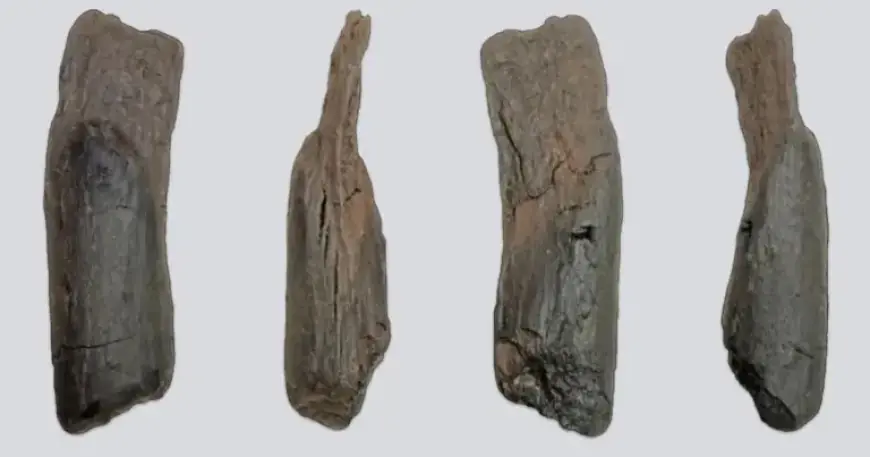
The discovery of the world’s oldest human-shaped tool, dating back approximately 430,000 years, has been made by researchers at an archaeological site in Greece. This significant find includes two wooden tools made from alder and either willow or poplar. The findings were published in the *Proceedings of the National Academy of Sciences*.
Details on the Discovery
The tools were uncovered at the Megalopolis Basin in Marathousa, Greece, situated around 100 miles southwest of Athens. Once a lakeshore, the site has previously provided evidence of early human activities, such as creating stone and bone artifacts and hunting elephants.
Insights from the Research
- The larger tool, crafted from an alder tree trunk, likely served a digging purpose.
- The smaller artifact, made from willow or poplar, may have been used for shaping stones.
According to Annemieke Milks, the study’s lead author and an expert in early wooden tools, the preservation of such ancient wooden artifacts is rare. “We have never seen anything like it,” she stated, appreciating the unique details of the smaller tool.
Preservation Conditions
The exceptional preservation of these wooden tools can be attributed to their rapid burial in sediment, which remained moist. This environment protected the artifacts from microorganisms that typically cause decay. Katerina Harvati, a co-author of the study, emphasized how the conditions at the Megalopolis Basin have allowed for the survival of delicate organic materials like seeds and leaves.
Importance of the Findings
This discovery not only expands our understanding of the use of wooden tools by early human ancestors but also highlights the significance of Greece in human evolution. Harvati remarked that this find provides a rare glimpse into the technological skills of early humans, pushing back the timeline of our knowledge.
Maeve McHugh, an associate professor in classical archaeology at the University of Birmingham, emphasized the importance of these findings. She noted that the wooden tools are significant as they offer insight into early human cognitive development during that time. The preservation of organic material, especially so far back in history, adds to its significance.
Conclusion
The discovery of the world’s oldest human-shaped tool in Greece is a monumental achievement in the field of archaeology. This breakthrough enriches our understanding of early human technology and highlights the exceptional conditions for preservation at the Megalopolis Basin. As research methods continue to advance, further insights into our ancestors’ lives and capabilities may emerge.