

























Samsung Galaxy Galaxy S26 Ultra: What’s Confirmed, What’s Still Unclear, and Why It Matters

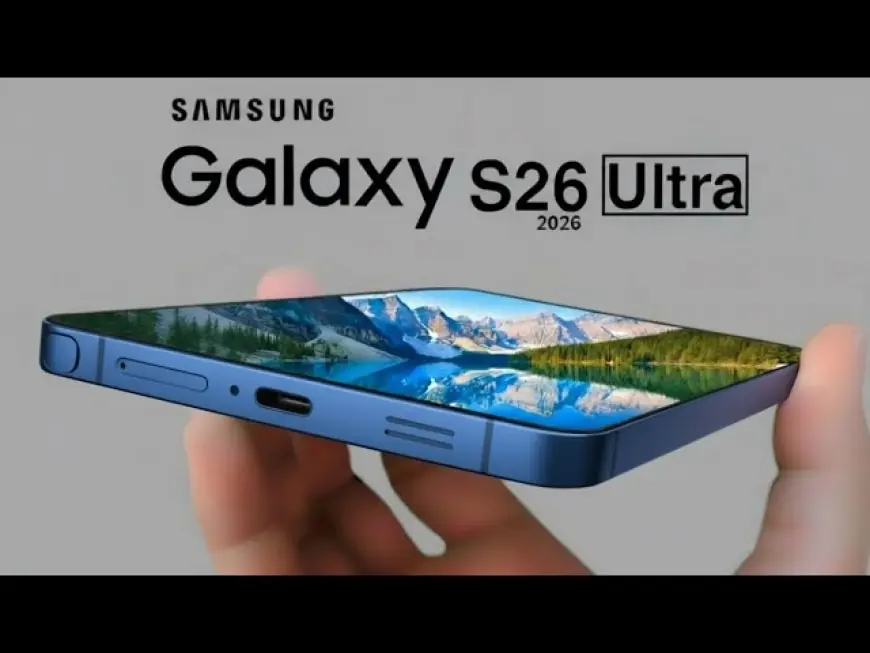
Interest in the samsung galaxy galaxy s26 ultra is building as buyers weigh whether to upgrade now or hold out for Samsung’s next top-tier phone. As of Wednesday, January 28, 2026 ET, Samsung has not publicly confirmed a full feature list, pricing, or a complete release schedule for a Galaxy S26 Ultra model.
Even without official details, the conversation around an Ultra refresh tends to shape buying decisions across the premium smartphone market, from carrier promotions to accessory planning and trade-in timing.
The big questions hanging over Samsung’s next Ultra phone
The clearest thing right now is what is not yet locked in publicly: core specs, final design choices, and exact timing. Some specifics have not been publicly clarified. The reason for the change has not been stated publicly.
That uncertainty matters because the Ultra name usually signals Samsung’s most ambitious mix of display size, camera hardware, battery capacity targets, and productivity features. In recent years, Ultra models have leaned into a large-screen format and a built-in stylus experience, which attracts a different kind of buyer than the smaller flagship tiers.
Features shoppers care about most this cycle
When people talk about the Galaxy S26 Ultra, the recurring themes are consistent: camera improvements, on-device performance, and battery life that keeps up with heavier use. Buyers also watch for durability choices, like tougher glass and stronger frame materials, because premium phones are increasingly expected to survive years of daily wear.
Another major focus is software, especially AI-assisted features that reduce friction in everyday tasks. That can include smarter photo processing, better voice and text tools, and tighter integration with productivity workflows. Key terms have not been disclosed publicly, but the direction of travel for flagships is clear: more processing done on the phone, more personalization, and more features that feel immediate rather than cloud-dependent.
How a flagship phone typically moves from development to shelves
High-end smartphones usually pass through a predictable set of steps before consumers can buy them. Hardware and software are finalized over time, then the device goes through compatibility work for networks, regional variants, and required certifications. Retailers and carriers prepare listings and inventory plans, while accessory makers align dimensions and cutouts so cases and screen protectors fit properly.
In practice, that means the public often sees a gradual ramp from early compatibility signs and software references to an official announcement, followed by preorders and then wider availability. A full public timeline has not been released, so the most reliable checkpoint remains the company’s own announcement materials.
Who feels the impact first and how it shows up
Two groups tend to feel the effects early: people planning an upgrade and companies that sell the ecosystem around a new phone. For consumers, uncertainty can delay purchases, influence trade-in decisions, and shift which models are considered “good enough” if the next flagship looks like a big leap.
For carriers, retailers, and repair and accessory businesses, timing matters just as much as features. Inventory planning, promotional calendars, and accessory production all depend on final dimensions and launch windows. Even app developers can be affected if new camera capabilities or system features change how apps should optimize performance, battery usage, or photo and video workflows.
The next official checkpoints to watch
The next verifiable milestone is an official product announcement event, where Samsung would typically confirm the name, key features, and availability plan. After that, the most concrete signals are preorder details and the first ship dates, since those force clarity on pricing, storage tiers, and regional availability.
Until those checkpoints arrive, the safest way to think about the Samsung Galaxy S26 Ultra is as a high-interest, not-yet-fully-defined flagship. Further specifics were not immediately available, but once Samsung publishes official materials, buyers will be able to compare real upgrades against current models and make a cleaner call on whether waiting was worth it.