Brett Ratner’s Melania Trump Movie Hits Theaters After a White House Screening That Put Tim Cook in the Frame

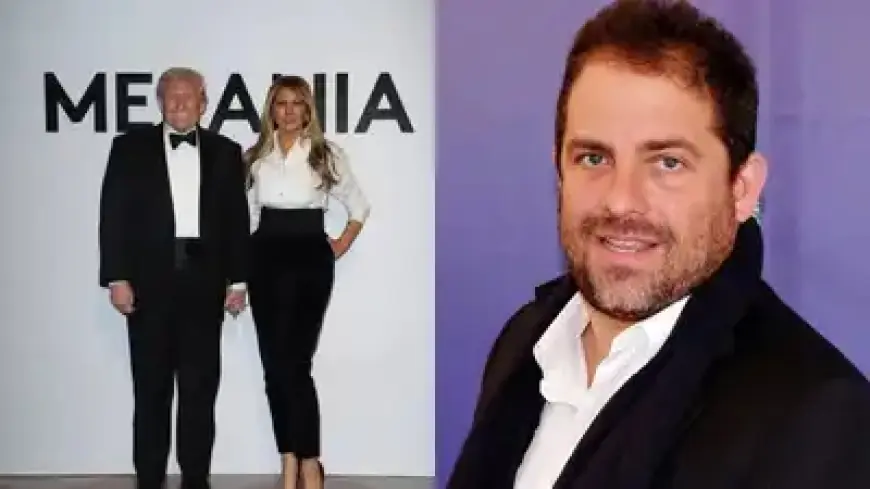
The new Melania Trump movie, titled Melania, is set to roll out this week with a high-profile Washington launch that is now driving much of the conversation around it: a private White House screening held Saturday, January 24, 2026, ET, attended by a tightly curated mix of political allies, celebrity guests, and business leaders, including Tim Cook. The film’s director, Brett Ratner, is also central to the story, both because the documentary marks his major return to mainstream filmmaking and because his past controversies have become inseparable from the project’s public reception.
The documentary’s formal premiere is scheduled for Thursday, January 29, 2026, ET, at the Kennedy Center, followed by a wide U.S. theatrical release on Friday, January 30, 2026, ET. The release scale is unusual for a documentary, aiming for a footprint typically reserved for major commercial titles.
Melania Trump movie: what the film covers and why the rollout is different
Melania is positioned as a tightly focused chronicle of the final 20 days leading up to the 2025 inauguration, told through Melania Trump’s perspective. Rather than a conventional political documentary built around outside interviews and archival commentary, it is being marketed as an access-driven narrative, with Melania Trump involved as a producer.
That producer role matters because it reshapes audience expectations. Viewers who want a critical third-party account may assume they won’t get it. Supporters may see it as a rare, controlled window into a public figure who has long kept a low profile. Either way, the film’s biggest selling point is not policy or history, but proximity.
The rollout is also atypical: a White House screening before the premiere, plus coordinated events in multiple cities, and a wide theatrical push. That combination suggests a strategy that is as much about political theater and brand positioning as it is about box office.
Brett Ratner and Melania: a comeback project with built-in controversy
Brett Ratner’s involvement is a headline on its own. His career was derailed by multiple sexual misconduct allegations that surfaced years ago, which he has denied. The decision to put him at the center of a film tied to one of the most polarizing political families guarantees that the discussion will extend well beyond the documentary’s content.
This is where incentives collide. For the filmmakers and backers, Ratner brings experience delivering glossy, high-visibility projects on tight timelines. For critics, his hiring raises questions about industry accountability and the reputational calculations that can override it. The film becomes a referendum not only on Melania Trump, but also on what kinds of careers can be rehabilitated and who decides when the penalty ends.
Tim Cook’s appearance and why it landed with such force
Tim Cook’s attendance at the White House screening turned a cultural event into a corporate story overnight. High-profile executives routinely cultivate relationships across Washington, but this particular context carries extra charge: the screening was not merely a reception, it was a celebration of a film that is explicitly personal, explicitly political, and released at a moment when audiences are primed to interpret every guest list as a statement.
The stakeholder map here is wider than it looks:
-
The White House benefits from a show of elite support that signals normalcy and influence.
-
Corporate leaders weigh access and regulatory risk against reputational blowback.
-
The film’s backers want legitimacy that money alone can’t buy.
-
Melania Trump gains a high-gloss platform to shape her public narrative on her own terms.
Second-order effects are predictable. Employee morale and consumer sentiment can shift quickly when a CEO is seen as taking sides, even indirectly. The company may face internal pressure to clarify that a personal appearance does not equal institutional endorsement. Meanwhile, political figures can use the optics to claim either broad elite backing or elite hypocrisy, depending on the audience.
What we still don’t know about the Melania movie’s impact
Several key questions remain unresolved heading into opening weekend:
-
How much of the film is intimate observation versus staged access
-
Whether the wide theatrical strategy translates into meaningful attendance outside partisan hotspots
-
How strict any resale, streaming timing, or distribution controls will be after the theatrical window
-
Whether the publicity storm around Ratner and the guest list will eclipse the film itself
Early signals circulating in the industry point to a soft opening relative to the scale of the marketing push, but the more durable metric may be cultural penetration: whether the documentary becomes a long-running talking point or burns bright and fades fast.
What happens next: realistic scenarios and triggers to watch
A few plausible paths are now in play:
-
The film underperforms theatrically but succeeds as a political messaging vehicle, measured in attention more than ticket sales.
-
The film exceeds low expectations in select regions, encouraging more event-style political releases with wide footprints.
-
The Ratner controversy becomes the dominant frame, limiting mainstream crossover and tightening the project’s audience to committed supporters and committed detractors.
-
Corporate backlash intensifies around high-profile attendees, prompting quieter engagement between business and politics going forward.
Why it matters
This is not just “a Melania documentary.” It’s a test of how politics, celebrity, and corporate America trade legitimacy in public. The Brett Ratner factor turns it into an argument about reputational rehabilitation. The Tim Cook moment turns it into a case study in corporate risk. And the White House screening turns it into a power signal.
If the film lands, it will encourage more personality-driven political storytelling with controlled access and major theatrical ambitions. If it flops, it may still achieve its goal: forcing the conversation onto terms set by Melania Trump, at least for a news cycle that now stretches from Washington to Hollywood to boardrooms.