























Severe Ice Storm Halts U.S. Oil and Gas Production

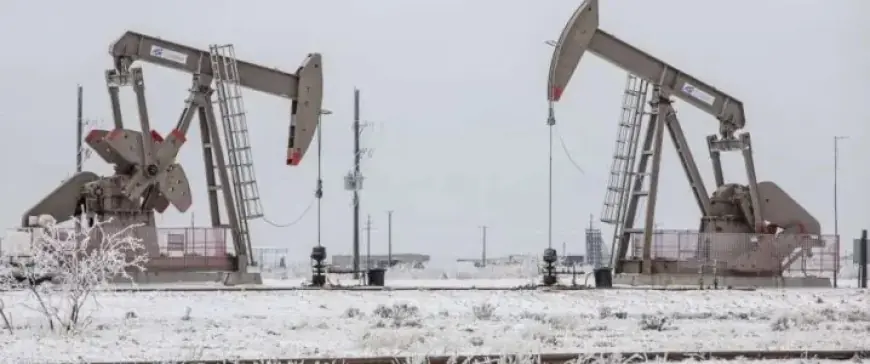
A severe winter storm, referred to as Winter Storm Fern, has significantly impacted U.S. oil and gas production. The storm led to dramatic production cuts over the weekend, prompting operators to reduce their output amid extreme cold temperatures.
Impact on Oil Production
According to analysts and traders, the storm caused a reduction of up to 2 million barrels per day (bpd) in oil production. This figure represents approximately 15% of the entire U.S. oil output. The Permian Basin was notably affected, experiencing outages of around 1.5 million bpd initially.
Current Recovery Status
As of now, oil production is on the mend, with losses in the Permian dropping to about 700,000 bpd. Experts predict that output levels will be fully restored by the end of January.
- Average monthly impact for January estimated at 390,000 bpd.
- Permian disruptions primarily responsible for most reductions.
- Limited impact expected in regions like Bakken, Rockies, and Mid-Continent.
Natural Gas Production Losses
Winter Storm Fern also led to significant reductions in natural gas production, with losses reaching up to 11%. It is estimated that production could be down by 3.3 billion cubic feet per day (Bcfd) compared to the expected 104 Bcfd for this month.
Future Projections
Natural gas output is likely to face additional cuts due to curtailments in the Permian region. Rystad Energy anticipates a worst-case scenario of an extra 2.3 Bcfd reduction for January, reminiscent of the impacts from Winter Storm Uri in 2021.
Market Reactions
The extreme weather has caused benchmark natural gas prices in the U.S. to increase more than 100% over the week. This marks the most significant price rally since the 1990s. While prices have eased following profit-taking on Tuesday morning, the volatility in the market remains a concern for producers and traders alike.
As the situation develops, the focus will be on how quickly production stabilizes in the aftermath of the severe ice storm and the potential long-term impacts on the U.S. oil and gas sector.