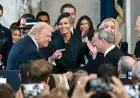
























Trump Receives Briefing on Iran’s Weakened Government

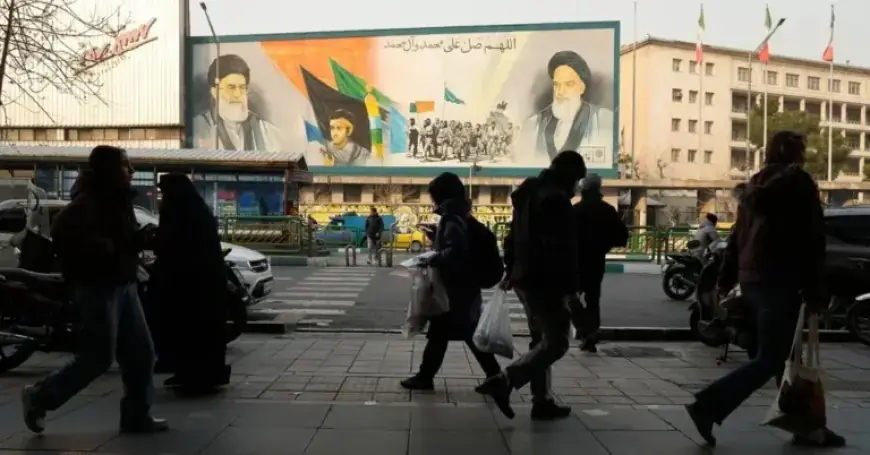
Recent U.S. intelligence briefings indicate that Iran’s government is experiencing significant weakness. This decline is reportedly the most pronounced since the fall of the shah in 1979. The information suggests ongoing protests have unsettled the Iranian leadership, particularly in regions traditionally supportive of Ayatollah Ali Khamenei.
Protest Dynamics and Economic Strain
Protests began late last year, fueled by a faltering economy. January saw demonstrations expand, challenging the government’s stability. Although these protests have subsided, Iran’s economic conditions remain dire. The Iranian leadership’s response has involved heavy-handed tactics, further alienating segments of the populace.
- Protests triggered by economic hardship.
- Government’s crackdown led to increased public dissent.
- Current economic state considered historically weak.
U.S. Military Response and Strategic Considerations
The U.S. military has boosted its presence in the region. An aircraft carrier, the USS Abraham Lincoln, has joined three warships equipped with Tomahawk missiles in the western Indian Ocean. This military buildup positions the U.S. to respond to potential escalations swiftly.
President Trump remains vigilant regarding Iran’s situation. His administration is reportedly deliberating military options, including potential airstrikes. However, opinions within his team vary regarding the effectiveness of such actions, especially if they are symbolic.
Key Military Installations and Preparations
As tensions rise, the Pentagon has enhanced its readiness. Measures include:
- Deployment of additional F-15E attack aircraft to the region.
- Introduction of more Patriot and THAAD air defense systems.
- Increased alert status for long-range bombers based in the U.S.
These steps reflect a strategic response to the ongoing unrest and the potential for heightened conflict in the area.
Consultations with Regional Allies
U.S. military officials, including Admiral Brad Cooper, are engaging with partners in the region. Recent discussions include:
- Meetings with military counterparts in Syria, Iraq, and Israel.
- Consultations with officials from Saudi Arabia and Qatar.
These dialogues emphasize the U.S. commitment to monitoring Iranian actions closely and coordinating defense strategies with allies.
Future Implications
The unfolding events in Iran could have significant implications for U.S. foreign policy. With President Trump focused on supporting the protests, key allies like Israeli Prime Minister Benjamin Netanyahu have encouraged a cautious approach. The situation remains fluid, and ongoing assessments will shape future U.S. actions regarding Iran’s government.
In summary, the combination of domestic protests, economic challenges, and international military strategies reflects a complex landscape for Iran, drawing increased scrutiny from the United States.