

















Trump Pledges Increased Tariffs on South Korea Post-Trade Deal

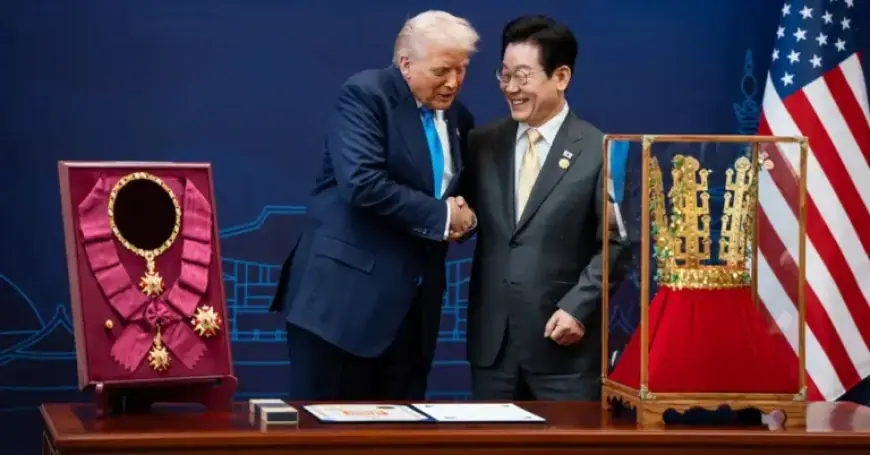
President Trump has reignited tensions between the United States and South Korea by raising tariffs on South Korean exports, including automobiles, back to 25%. This announcement follows a recent period of optimism surrounding a trade agreement that had reduced tariffs to 15% after South Korea pledged to invest $350 billion in the U.S.
Recent Developments in U.S.-South Korea Trade Relations
The latest tariff hike has caught South Korean officials off guard. They claim Washington did not provide any advance notice regarding Trump’s decision. The timing of the increase is significant, especially as South Korean President Lee Jae Myung’s office emphasizes that the trade deal does not need parliamentary approval.
Trump’s Concerns and South Korea’s Position
Trump indicated via social media that South Korea’s National Assembly is delaying the implementation of the investment deal. In response, South Korean officials clarified that a memorandum of understanding had already been signed by both governments. They assert that various legislative proposals have been submitted to address the proposed investments.
- South Korea aims to establish a fund for U.S. investments.
- A new corporation will manage this fund through bilateral consultations.
- Delays are attributed to political disputes between parties in the National Assembly.
Reactions from South Korean Leadership
In the aftermath of Trump’s tariff announcement, President Lee’s aides met to strategize on how to navigate this escalation in trade relations. The finance minister, Koo Yun Cheol, had previously indicated challenges in allocating the first $20 billion of the promised investment, which could have contributed to Trump’s frustration.
Analysts caution that this uncertainty may impact South Korean businesses reliant on exports to the U.S. or with operations in America. J. James Kim, director of the Korea Program at the Stimson Center, highlighted that the heightened tariff situation complicates investment and logistics for South Korean enterprises.
Political Responses and Implications
Domestically, calls for bipartisan cooperation have emerged among Lee’s governing Democratic Party to expedite the trade agreement’s implementation. Spokesperson Kim Hyun-jung emphasized the need for a special law to facilitate this process. Conversely, the opposition People Power Party criticized the government for its lack of transparency regarding trade deal details.
- The opposition expresses concerns over a potential cash outflow affecting the South Korean won.
- A weak won has helped boost exports but could hinder overall economic growth.
- Analysts underscore the unstable foundation of the South Korea-U.S. tariff agreement.
The evolving dynamics of U.S.-South Korea trade relations remain critical to both nations. How both governments address the current tariff situation will significantly influence economic stability and bilateral cooperation moving forward.