
























Delayed Construction May Cause B.C. Home Prices to Surge 27% by 2032

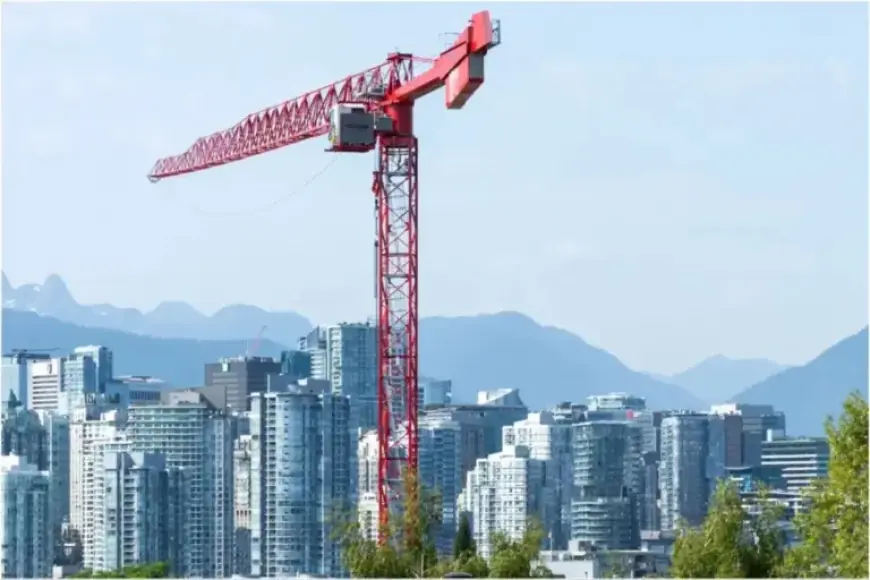
British Columbia’s real estate market landscape is rapidly evolving. A recent forecast from the B.C. Real Estate Association (BCREA) suggests that unsold housing inventory and delayed construction may drive home prices up by 27% by 2032.
Current Market Dynamics and Challenges
The BCREA report highlights significant challenges affecting the housing market. Currently, there are over 7,000 unsold homes, the highest level since the late 1990s. This surplus is largely due to weak construction activity and stalled pre-sales.
- Record-high unsold housing inventory.
- Weak demand influenced by high interest rates.
- Significant project cancellations and bankruptcies among developers.
These factors mirror the post-2008 recession phase, where slowing demand led to inventory build-up and decreasing affordability.
Long-term Implications of Delayed Construction
BCREA asserts that the current lag in construction could pose significant risks in the long run. When demand rebounds, a lack of new housing supply might lead to sharp price increases, similar to the trends observed between 2010 and 2019, when home prices rose by approximately 47%.
The report warns that if development doesn’t accelerate, home prices could rise sharply as demand returns. This suggests a repeating cycle of affordability crises unless timely actions are taken.
Necessary Policy Changes
To avert a crisis, the BCREA calls for a combination of policy shifts targeting both demand and supply.
- Expand federal GST exemptions on new housing beyond first-time buyers.
- Reassess foreign buyer restrictions to include new construction pre-sales.
- Reduce development cost charges that currently deter new projects.
Such measures could help to improve supply and increase the viability of new developments, particularly in urban areas like Metro Vancouver.
Addressing Construction Costs
Another critical area of concern is the rising construction costs in B.C. Since 2017, these costs have nearly doubled, pressured by the escalating prices of materials. To alleviate this burden, the report suggests that governments explore financing alternatives, like tax-advantaged municipal bonds, to offset increasing development costs.
Conclusion: Future Trends in B.C. Housing Market
While the BCREA report identifies a potential rise in home prices approaching 27% by 2032, it also emphasizes the need for immediate action to stabilize the market. Failure to do so could result in a repeat of past affordability crises.
As B.C. navigates these challenges, maintaining a balance between supply and demand will be crucial in ensuring a healthier housing market for the future.