Fed Rate Pause Looms, Bond Investors Shift Towards Risk

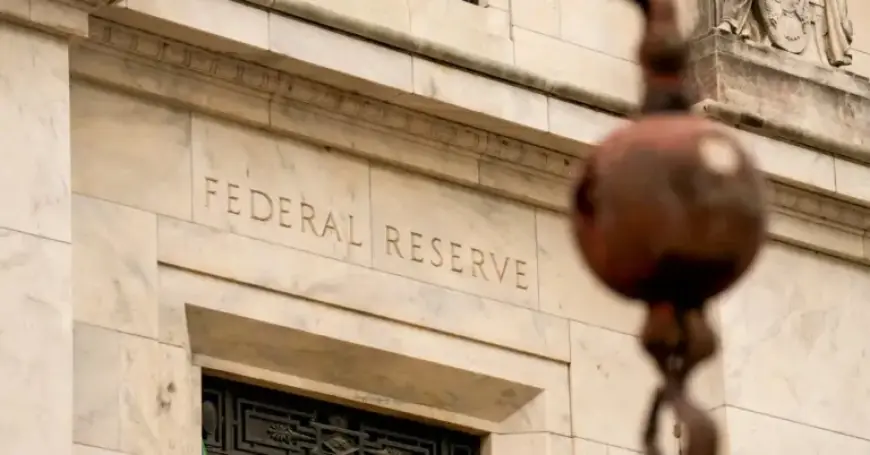
As bond investors navigate a shifting economic landscape, expectations are building for the Federal Reserve to maintain its current rates. This comes amid favorable signs from the economy and potential fiscal stimulus that may enhance consumer spending across the United States.
Current Fed Rate Outlook
The Federal Open Market Committee (FOMC) is set to conclude a two-day policy meeting soon. It is largely expected to keep the benchmark interest rate within the 3.50% to 3.75% target range. Prior to this meeting, the Fed made three adjustments last fall, cutting rates by a quarter percentage point in September, October, and December after a lengthy pause of nine months.
Market Reactions and Expectations
Investors are shifting towards longer-dated debt as part of their strategies. They are also becoming slightly more aggressive, incorporating riskier trades into their portfolios. Despite this, many are still cautious, particularly regarding U.S. credit markets.
Extended Duration as a Strategy
- Increasing duration reflects a bond’s sensitivity to interest rate changes.
- This approach is often seen as a risk-seeking behavior.
According to portfolio managers, extending duration has been a common strategy recently. Market data indicates that clients have maintained their most substantial long positions since mid-December, as there is a growing belief that the Fed will embark on a gradual easing cycle.
Economic Indicators Supporting Risk-Taking
Labor market conditions remain stable, inflation appears to be leveling off, and the Fed funds rate is nearing a neutral stance. Analysts, such as Tony Rodriguez from Nuveen, believe these factors support a pause in rate adjustments while fiscal initiatives take hold in the economy.
Future Rate Cuts Forecasted
U.S. rate futures suggest anticipation of about 44 basis points of easing by 2026, equating to less than two rate cuts. This figure has slightly decreased from prior forecasts of 53 basis points over the last couple of weeks.
Investment Strategies and Credit Spreads
While there is an overall cautious sentiment in the market, some investors are advised to move away from cash without becoming overly aggressive in their fixed-income holdings. Current credit valuations are not conducive to extensive risk-taking.
U.S. investment-grade credit spreads have tightened, currently standing at 73 basis points above Treasuries, showcasing demand for corporate debt. However, this situation limits opportunities for investors looking for high yields.
Geopolitical Risks and Gold Reserves
Geopolitical tensions and fiscal strains remain significant concerns. Analysts note that the increasing demand for gold among central banks is partially driven by apprehensions regarding U.S. fiscal stability. Gold is becoming a popular asset as a hedge against potential U.S. debt risks, according to experts like Christian Hoffmann from Thornburg Investment Management.
As bond investors prepare for potential shifts in the market, enhancing their portfolios by extending duration seems to be a popular strategy amid signs of a persistent pause in the Fed’s rate adjustments.