

























Skier Attacked by Snow Leopard in China’s Xinjiang Region

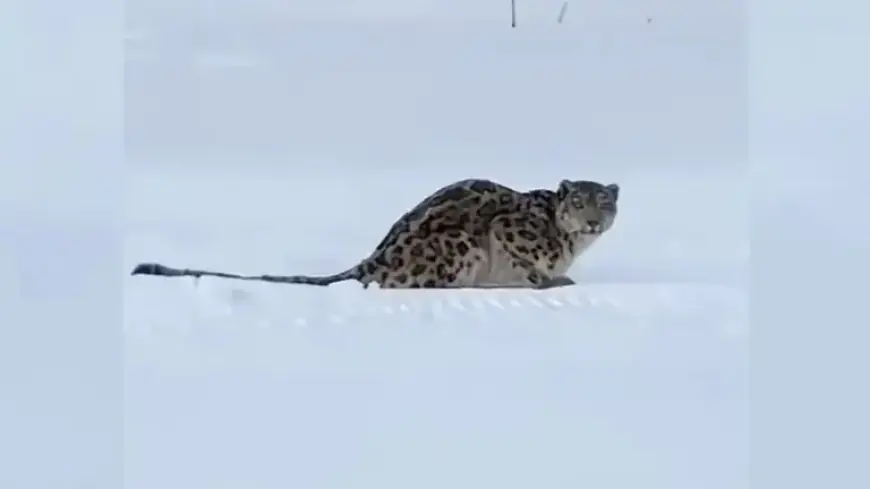
A skier was recently attacked by a snow leopard in Koktokay town, located in China’s Xinjiang region. This incident occurred as the tourist attempted to photograph the elusive big cat after spotting it in the wild.
Details of the Incident
Authorities reported that the skier approached the snow leopard and was subsequently bitten. Video footage shared on social media depicts the injured skier lying motionless in the snow, while the leopard remained nearby. Bystanders assisted the skier, who appeared disoriented and was clutching a ski helmet.
Medical Response
The injured skier was quickly transported to a hospital and is now listed in stable condition.
Safety Measures and Public Awareness
In response to this attack, the local Forestry and Grassland Bureau pledged to enhance safety patrols and public awareness initiatives. An official statement emphasized the importance of adhering to safety guidelines when encountering wild animals.
- Maintain a safe distance from wildlife.
- Report any close encounters to the authorities promptly.
Snow Leopard Conservation
Snow leopards are a protected species, native to mountainous regions of Central and South Asia. They are recognized as a symbol of the high-altitude ecosystems within China.
Current estimates suggest there are between 4,000 and 6,500 snow leopards left worldwide, with around 60% of their habitat located in China, as reported by the World Wildlife Fund (WWF).
Behavior and Human Encounters
Despite their elusive nature, attacks on humans by snow leopards are rare. A 2020 study surveying herders in Mongolia revealed that while these herders had witnessed snow leopards or experienced livestock losses, none reported human attacks.
This incident serves as a stark reminder of the need for caution when interacting with wildlife. Visitors to areas where snow leopards reside are urged to be vigilant and respectful of these magnificent animals and their habitats.