5 Unsettling Smart TV Truths You Must Know

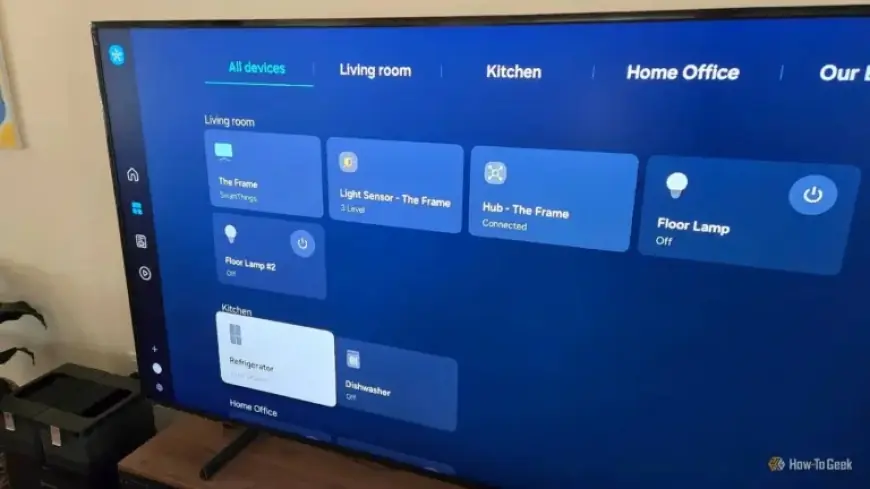
Smart TVs have become commonplace in homes, but the allure of their advanced features often masks some unsettling truths. While they promise convenience and entertainment, these devices come with hidden drawbacks that every consumer should consider.
5 Unsettling Smart TV Truths You Must Know
1. Designed for Obsolescence
Smart TVs frequently encounter issues with software and hardware longevity. Unlike traditional TVs that can last for years, the operating systems and apps on smart TVs often become outdated within a few years. Users may find their devices struggling to run the latest software, often leading to the purchase of external streaming devices instead.
2. Data Collection and Privacy Risks
Smart TVs are not just entertainment hubs; they are also data collectors. When using apps or features, manufacturers may gather extensive user data. This includes Automatic Content Recognition (ACR) technology, which tracks viewing habits across cable, DVDs, and games.
- Data collected can create a personal profile for targeted advertising.
- Information may be shared with third parties, raising privacy concerns.
- Some users may find options to disable data sharing hidden in privacy settings.
3. Paying for Features You Don’t Use
Many consumers discover that they rely on external streaming devices, such as Roku or Apple TV, rather than their smart TV’s built-in capabilities. This trend means that users pay for advanced features in smart TVs that largely go unused.
4. Cheap Models and Data Harvesting
Low-cost smart TVs often come with a catch: they may rely on data selling for profit. Consumers might find that the affordable price tag is subsidized by privacy invasions. Disabling network access can mitigate some risks, but this also limits the functionality of smart features.
5. Frustrating Updates
Software updates for smart TVs can sometimes lead to a decline in user experience, a phenomenon referred to as “enshittification.” Users may find that updates introduce ads or change default settings to less user-friendly options, adversely affecting the original experience of the device.
Being informed about these truths can help consumers make better choices when purchasing or using smart TVs. Understanding the balance between convenience and privacy is crucial in today’s digital age.