

























Lawmakers Navigate DHS Bill in Pivotal Government Funding Week

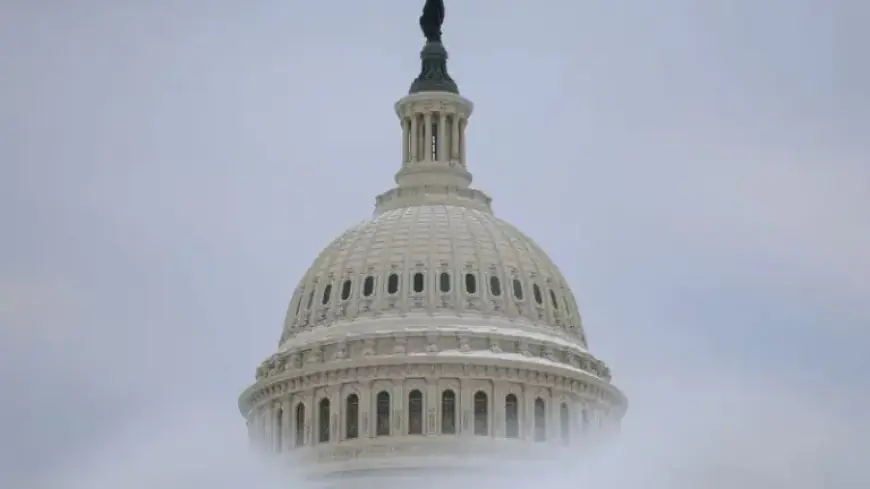
Lawmakers are currently navigating a critical week in government funding discussions, particularly regarding the Department of Homeland Security (DHS). A recent tragic incident in Minneapolis, where a Border Patrol agent shot an ICU nurse, has intensified these negotiations.
Urgency Following Recent Events
The shooting incident has shifted the dynamics on Capitol Hill within just 72 hours. Initially, many lawmakers did not foresee a government shutdown. Now, there is growing concern that without swift action, a partial government shutdown could become unavoidable.
Potential Legislative Actions
Lawmakers are considering several strategies to prevent this shutdown as the January 30 deadline approaches. The options include:
- Returning the House at the end of the week to approve a revised package of bills.
- Stripping funding from the DHS and passing the remaining bills separately.
Any option chosen must receive approval from all 100 senators, further complicating the path forward.
Democratic Demands and Republican Challenges
Democrats have stated that significant changes to the operations of U.S. Immigration and Customs Enforcement (ICE) are necessary before they can support funding for federal agencies, including DHS, the Department of Defense, and Health and Human Services.
Republicans report exploring options but have not presented any viable solutions that align with Democratic demands. A Senate Democratic aide noted that bipartisan cooperation remains elusive.
Ongoing Discussions
Efforts to unify Democratic perspectives on reforms concerning DHS are still in progress. Democratic leaders are actively seeking input from their members on potential reforms, although consensus on these issues may be difficult to achieve.
As talks continue, there is no clear sign that an agreement will be reached in time to avert a shutdown. These ongoing negotiations underscore the complexity of navigating the funding landscape amid heightened political tensions sparked by recent events.
In conclusion, as lawmakers work through this pivotal week, finding common ground will be crucial for preventing a government freeze that would impact numerous federal services.