Can Iran’s Hypersonic Missiles Threaten the USS Abraham Lincoln?

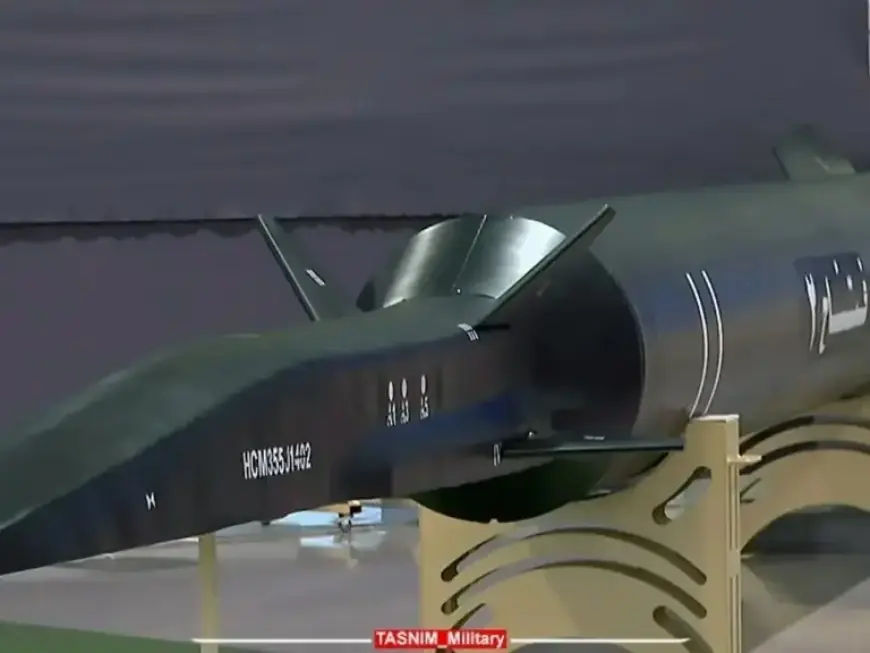
If Iran’s hypersonic missiles were to target the USS Abraham Lincoln, the implications could be significant. While sinking a Nimitz-class carrier is highly unlikely, a successful strike could still achieve a critical tactical advantage.
Understanding Hypersonic Missile Threats
Hypersonic missiles travel at speeds greater than Mach 5, making them exceptionally challenging to intercept. Iran’s development of such missiles marks a shift in warfare dynamics, particularly regarding naval capabilities.
The Anatomy of the USS Abraham Lincoln
- Design: The USS Abraham Lincoln features multiple watertight compartments.
- Material: Constructed from high-strength steel, the carrier is designed for durability.
- Function: It serves as a mobile airbase for advanced fighter jets like the F-35.
The Concept of ‘Mission Kill’
Iran’s strategy may not necessarily involve sinking the USS Abraham Lincoln. A “Mission Kill” could suffice. This scenario refers to making the carrier ineffective in combat.
Consider the following implications of a hypersonic missile strike:
- A 2,000-pound hypersonic missile impacting the carrier could create significant damage.
- Impacting the flight deck at speeds of Mach 10 could puncture the runway.
- This impact might also trigger a fire from aviation fuel, damaging vital operations.
The Broader Context of Naval Warfare
The introduction of hypersonic technology by Iran underscores new challenges for U.S. naval forces. Ensuring the operational readiness of aircraft carriers like the USS Abraham Lincoln is paramount.
As tensions escalate, understanding the effectiveness and limitations of ballistic systems becomes crucial for military strategy. The implications of hypersonic missile capabilities will likely influence future maritime confrontations.