The Republic’s Spirit Thrives in Its People

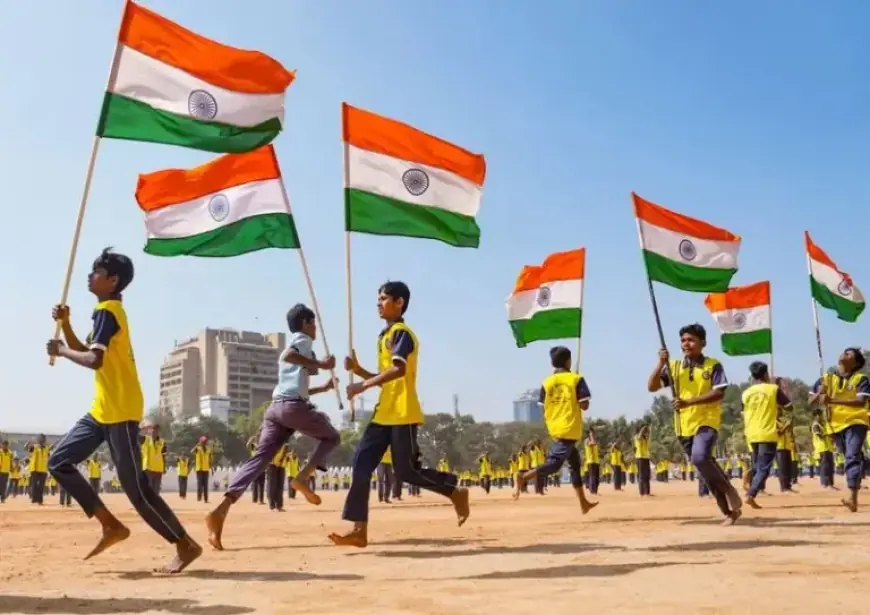
The spirit of the Republic resonates deeply within the hearts of India’s citizens, especially on January 26, commemorated as Republic Day. This significant date marks India’s transition to a self-governing democratic nation, following the enactment of its Constitution on January 26, 1950. The Constitution, adopted on November 26, 1949, was a monumental achievement of the Constituent Assembly, which worked tirelessly for nearly three years under the leadership of Dr. B.R. Ambedkar.
The Birth of a Democratic Nation
The drafting of the Indian Constitution involved 11 sessions and a total of 165 days of deliberations. These discussions reflected the aspirations of a diverse population striving for freedom after enduring colonial rule. The Preamble articulates the essence of the Republic’s values, emphasizing justice, liberty, equality, and fraternity.
Key Principles Enshrined in the Constitution
- Justice: Social, economic, and political justice for all citizens.
- Liberty: Freedom of thought, expression, belief, faith, and worship.
- Equality: Equal status and opportunity for every individual.
- Fraternity: Ensuring individual dignity and national unity.
The Preamble serves as a reminder of the dual responsibility placed upon the state and its leaders. The safeguarding of territorial integrity while promoting individual dignity is a sacred duty of the Indian Republic.
Military Commitment to National Unity
The Indian military has consistently demonstrated its commitment to the nation’s security, from early challenges in Kashmir to recent operations. Notable figures such as Brigadier Mohammad Usman, Lt. Col. Ardeshir Tarapore, and Lance Naik Albert Ekka exemplify the courage and determination of those who defend the Republic.
Challenges to Individual Dignity
Despite the strong foundations laid by the Constitution, contemporary challenges threaten the principle of equality among citizens. Instances of vigilante violence, such as the 2017 killing of Junaid Khan and the recent death of Anjel Chakma, highlight the grim reality of social divisions in India. These tragic events underscore a disturbing trend where individuals face harm based on their identity.
The Polarization of Society
The growing divide along religious and ethnic lines has profoundly impacted the social fabric of India. Majoritarian politics have shifted the focus from unity to division, leading to hostility among friends and families. This polarization not only affects public discourse but also places individual safety in jeopardy.
Need for Social Harmony
As dissent becomes synonymous with anti-national sentiment, the foundational ideals of fraternity and mutual respect are eroding. The aspirations of India’s founders stand in stark contrast to the current climate, where tolerance and understanding are being replaced by animosity and distrust.
Governance and the People’s Sovereignty
At the heart of democracy lies the principle that sovereignty belongs to the people. It is incumbent upon India’s leaders to honor this covenant, ensuring the safety and dignity of every citizen. The state must actively engage in addressing pressing issues such as pollution, access to clean water, and healthcare.
The Road Ahead
India’s journey towards embodying the ideals set forth in its Constitution is ongoing. Leaders must strive to fulfill their promise of security and dignity for all, bridging the gap between aspiration and reality. The commitment to the Republic’s spirit requires continuous efforts to heal divisions and promote a united society.