
























Instacart’s Ben Stiller–Benson Boone commercial is a Super Bowl play for “brand memory,” not just grocery delivery

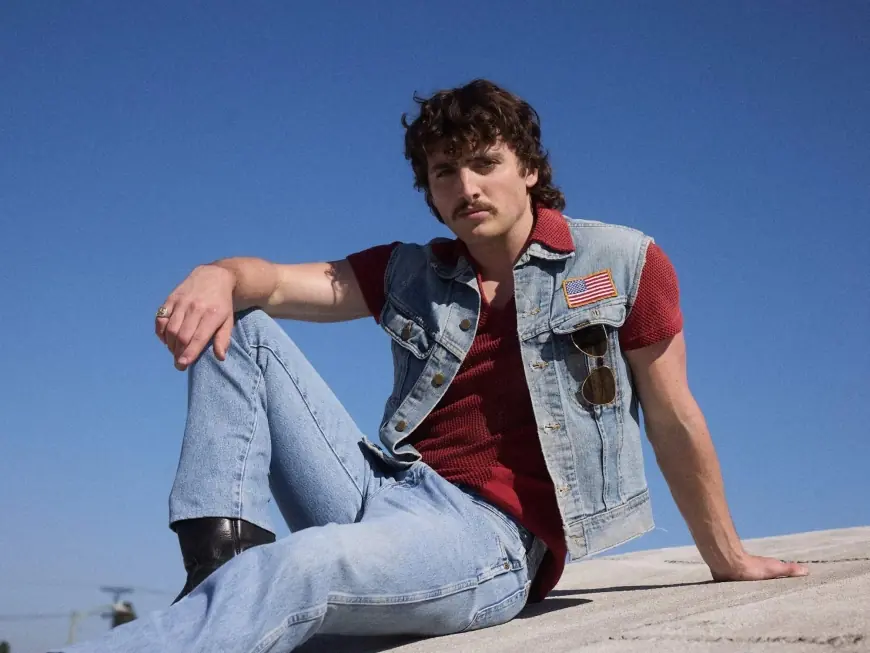
In recent days, a pair of teaser spots has done something rare for a utilitarian service: it made Instacart feel like entertainment. The new Instacart commercial campaign pairs Ben Stiller with Benson Boone as mismatched, bickering “brothers” in matching green, throwback outfits—an intentionally off-key musical bit that lands closer to sketch comedy than a product demo. The point isn’t to explain delivery. The point is to create recall, so that the next time someone thinks “groceries,” they also think “that weird duo from the big game ads.”
This is a market move as much as a creative one. Grocery delivery is crowded and easily commoditized. The minute a service becomes interchangeable, brands have to compete on familiarity and feeling—especially around the Super Bowl, when ads are treated like content and replayed for weeks.
Why Instacart is spending like an entertainment brand
Instacart’s first Super Bowl cycle proved it could buy attention. This year’s strategy looks more mature: release teasers early, let the jokes circulate, then use the full game-day slot as a payoff rather than an introduction. That sequencing matters because modern audiences rarely “discover” ads during the broadcast anymore; they arrive already primed to recognize the premise.
Stiller and Boone are cast for complementary reasons:
-
Ben Stiller brings built-in comedic timing and a face that signals “this is a bit” before a line is spoken.
-
Benson Boone brings musical credibility and a fan base trained to replay short, catchy moments—exactly what jingles need to stick.
The pairing also gives Instacart cross-demographic reach without splitting the creative. It’s one concept, two cultural entry points.
What the Instacart commercial teasers are actually doing
The teasers lean on a simple friction: Boone aims for polished harmony; Stiller refuses to cooperate, undercutting the song with irritation and one-upmanship. The costumes—green suits, moustaches, retro styling—telegraph a deliberate “time capsule” vibe. It’s goofy on purpose, and that’s the hidden tactic. If the ad feels slightly ridiculous, people talk about it without needing to argue about it.
Underneath the gag is a quieter product message: control and specificity in grocery shopping (down to the kind of bananas you want). It’s not a feature list; it’s a lived annoyance turned into a punchline—because that’s how you sell something mundane without sounding like a manual.
The business logic: lowering churn by raising familiarity
Instacart doesn’t need every viewer to download the app immediately. What it needs is to reduce the chance that users drift to whichever delivery option is cheapest that week. Humor and music help by building “top-of-mind” preference—an invisible advantage that shows up later in retention, repeat orders, and brand trust.
Here’s the practical mechanism at work:
-
A jingle compresses the brand into a memory. If you can hum it, you can recall it.
-
A duo creates a repeatable template. Characters can return in future spots without reintroducing the premise.
-
Early teasers turn the campaign into a series. Each clip becomes a reminder that the full version is coming.
This is why the roll-out matters as much as the spot itself. Instacart is behaving like a studio: teasing a “premiere,” training the audience to anticipate, then cashing in during the highest-attention broadcast window of the year.
The risk: when the joke becomes the product
There’s a fine line with celebrity-driven comedy. If viewers remember Stiller’s moustache but forget Instacart, the campaign becomes expensive entertainment with weak conversion. The teasers try to guard against that by anchoring the humor in a recognizable shopping decision—produce choices, timing, and control—rather than purely abstract silliness.
Still, the biggest test will be whether the full-length ad resolves the bit in a way that sharpens the brand message instead of stretching the sketch too thin.
Instacart’s bet is clear: in a category where speed and selection are increasingly table stakes, differentiation comes from culture. By turning Ben Stiller and Benson Boone into a deliberately imperfect musical act, Instacart is trying to win something more durable than a one-night spike—an association that lingers the next time someone asks, “Should we just get groceries delivered?”