























Trump Criticizes ‘Fake Polls’ Amid Low Approval Rating

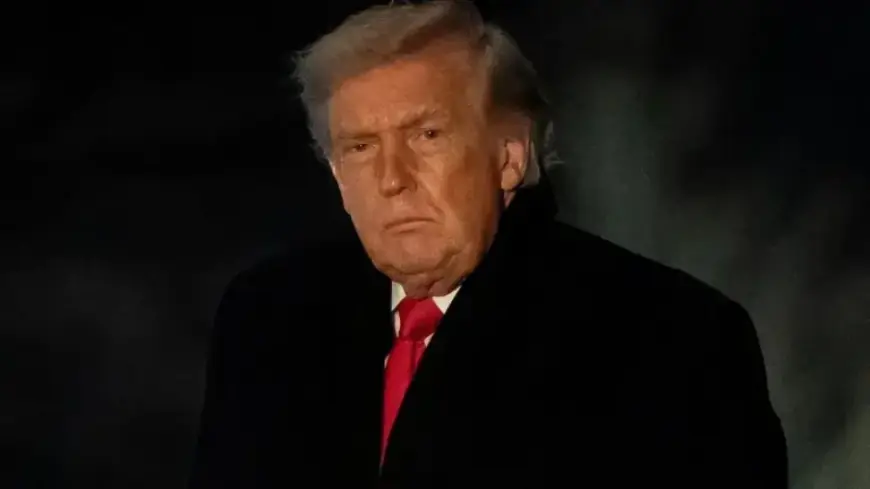
Former President Donald Trump has voiced strong objections to what he describes as “fake polls” that allegedly misrepresent his approval ratings. In a series of posts on his social media platform, Truth Social, he slams various media outlets for sharing what he claims are inaccurate polling results, asserting that they distort public perception of his presidency.
Trump’s Outrage Over Polling Data
On January 22, Trump expressed his frustration regarding his approval ratings. He pointed out that despite claims of low support, he believes his administration has achieved significant successes. According to Trump, the U.S. economy is thriving, and he has enforced a robust border policy.
He stated, “Something has to be done about Fake Polls!” and accused the media of spreading false information. Trump mentioned that he has initiated legal action against news outlets he believes have published misleading polls.
Current Approval Ratings
As per recent data, Trump’s approval ratings have shown fluctuating trends. After his first year in office, his ratings started to decline:
- Initial Approval: 50.5%
- Current Approval: 42.4%
- Disapproval Rating: 55.6%
These figures indicate a notable drop from his highest ratings and bring him close to the approval ratings of current President Joe Biden. Poll analysis shows:
- Rasmussen Reports: 45% approval on January 20
- The Economist/YouGov: 41% approval (January 16-19)
- Morning Consult: 46% approval as of January 18
- RealClear Politics: Average approval at 42.4%
Public Sentiment on Key Issues
In light of recent controversies, particularly surrounding the proposed U.S. acquisition of Greenland, public opinion reveals significant opposition:
- 29% support the U.S. purchasing Greenland
- 51% oppose the notion
- 72% are against using military force for acquiring Greenland
These statistics shed light on the disconnect between Trump’s perception of public support and the actual sentiments of American voters.
Future Predictions for Upcoming Elections
Looking ahead, opinions vary on the 2026 midterm elections:
- 39% would vote for a Democratic candidate
- 34% for a Republican
- 28% remain undecided or prefer other options
Betting odds currently favor a Republican Senate win while predicting a Democratic takeover of the House. Control remains with the Republican party for now, making the race for midterms a focal point of political discussion.
As Trump’s criticism of polling results intensifies, the upcoming electoral landscape promises to be eventful, influenced heavily by public perception shaped by these ongoing debates.