






















Pam Bondi’s Minnesota letter turns a policing flashpoint into a fight over voter data

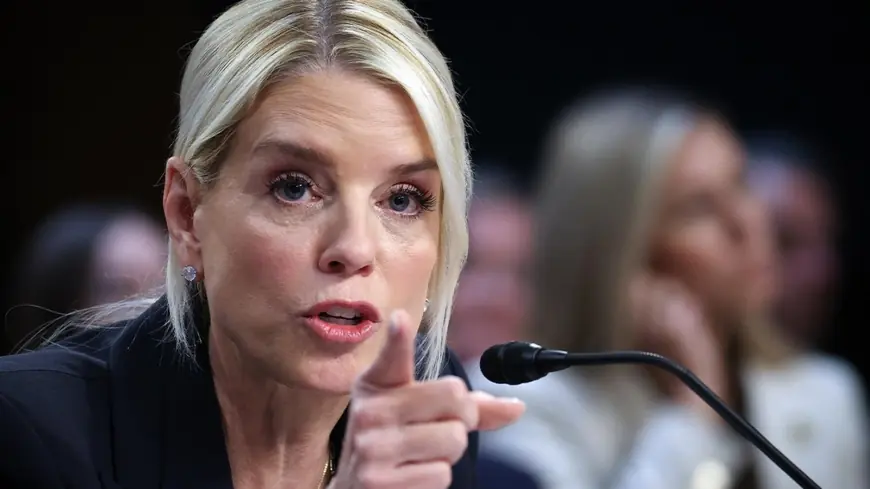
Pam Bondi has put the Justice Department at the center of a rapidly escalating standoff with Minnesota officials, tying the future footprint of federal immigration enforcement in Minneapolis to a list of state actions that includes handing over voter-roll information. The move lands while tensions are already high after a fatal shooting involving a Border Patrol agent and a wave of protests demanding federal agents leave the city. The immediate stakes are public safety and civil liberties; the longer-term stakes are how far federal leverage can reach into state governance during a domestic crisis.
A high-risk mix: immigration enforcement, accountability questions, and election administration
The most destabilizing feature of this moment is how many systems are colliding at once. A deadly use-of-force incident has triggered demands for transparency, preservation of evidence, and an independent accounting of what happened. At the same time, the federal response is being framed as an enforcement-and-order problem, with federal officials arguing that continued operations are necessary to protect agents and restore control.
By introducing voter registration data into the same negotiation, Bondi effectively broadens the dispute beyond policing tactics. Even if the request is presented as an administrative or legal step, it lands politically: voter files sit at the intersection of privacy, election trust, and federal-state boundaries. That combination makes it harder for any side to de-escalate without appearing to concede something fundamental—either on enforcement presence, investigative independence, or election administration.
What happened in Minneapolis, and what Bondi demanded
The current clash follows the killing of a 37-year-old ICU nurse in Minneapolis during an immigration enforcement operation involving federal agents. Federal authorities have characterized the shooting as justified, while family members and witness accounts have challenged that characterization, and public anger has swelled amid bystander video circulating online. Protests have expanded beyond Minneapolis, adding national pressure as state officials push for investigative access and evidence preservation.
Against that backdrop, Bondi sent a letter to Governor Tim Walz laying out conditions tied to Minnesota’s cooperation with federal immigration enforcement. The letter’s headline demand is access to Minnesota voter-roll data, alongside broader requirements for state and local support of federal operations and steps aimed at reducing confrontation between protesters and federal personnel. The practical message: federal enforcement presence will not be reduced on Minnesota’s preferred timeline unless the state meets those terms.
Supporters of the approach argue the state has a responsibility to tamp down disorder and back federal officers. Critics argue the letter reads like a pressure campaign that shifts the conversation away from the shooting itself and toward political leverage, with voter data as the most sensitive ask.
Mini timeline of the standoff
-
Saturday, Jan. 24, 2026: A Border Patrol agent fatally shoots a man during an enforcement operation in Minneapolis; protests intensify.
-
Later Jan. 24: Bondi issues a formal letter to Governor Walz, linking any reduction of federal enforcement activity to state compliance steps, including voter-roll access.
-
Jan. 25: Public and political reactions widen; disputes sharpen over video evidence, investigative authority, and the scope of federal demands.
-
Next signal: Any court action on evidence access—or a written response from Minnesota rejecting or accepting parts of the federal terms—will clarify whether this becomes a prolonged legal battle or a short, high-volume confrontation.
Bondi’s letter has shifted the center of gravity from “what happened in the shooting” to “who gets to set the terms afterward.” That reframing is likely to shape the next phase more than any single press appearance: if Minnesota refuses the voter-roll request, the federal government can argue the state is obstructing broader rule-of-law steps; if Minnesota complies, state leaders risk being seen as trading election infrastructure data for relief from federal pressure.
For now, the situation remains volatile, with the key unknowns being the full evidentiary record of the shooting, how quickly courts will intervene (if at all), and whether either side narrows its demands enough to create an off-ramp.