

























“Queer Horror Thrives in Rivalry: A Fresh Take on It Follows”

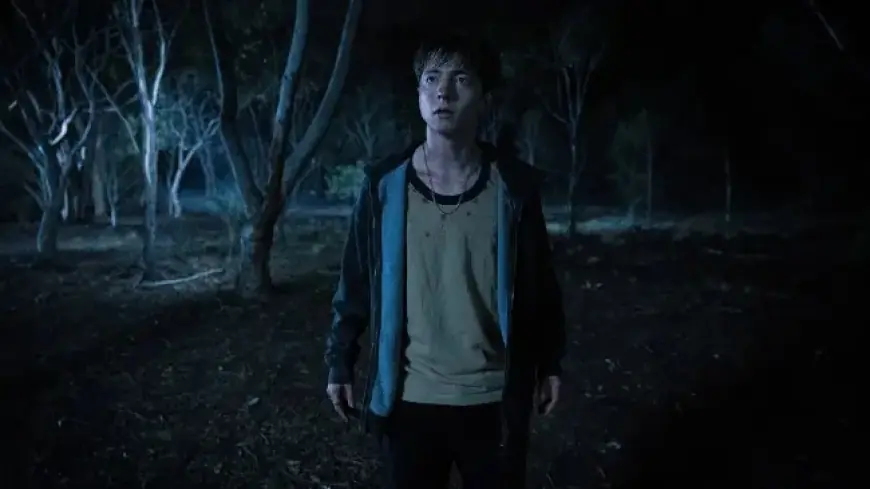
In the realm of queer horror, Adrian Chiarella’s debut film “Leviticus” offers a captivating mix of horror and societal critique. Blending themes of repression and desire, the film explores the complexities of young love in an oppressive environment. Drawing inspiration from cinematic influences like “It Follows,” it presents a haunting narrative that resonates with contemporary issues faced by the LGBTQ+ community.
Plot Overview
“Leviticus” opens ominously at a public pool, where a young woman is confronted by an unseen force. This eerie introduction sets the tone for a story that soon shifts to Naim, an Australian teenager. After moving to a new suburb with his grief-stricken mother, he forms a connection with Ryan, a classmate.
Exploring Young Love
The boys quickly develop a bond, flirtatiously competing in physical contests. However, their budding romance unfolds in secrecy due to the repressive nature of their conservative religious community. Living under the watchful eyes of parish members, their love becomes fraught with tension and despair.
- Naim’s mother seeks a fresh start for them in a deeply conservative town.
- Ryan and his family share the same strict religious beliefs.
Conflict and Horror
The turning point occurs when Naim discovers Ryan with the pastor’s son. In a moment of impulsive betrayal, Naim reports the scene, igniting a chain of events that leads to a public deliverance ceremony. Initially perceived as a formality, the ceremony soon reveals its terrifying consequences.
The Horror Element
Post-ceremony, the boys become haunted by a shape-shifting threat that materializes as their crushes. This manifestation serves as a physical embodiment of their internalized fears and societal pressures. The horror genre’s familiar motifs are cleverly intertwined with the exploration of queer identity.
Visual and Thematic Analysis
“Leviticus” navigates themes of isolation and fear, questioning what it means to truly be alone. The film adopts a framework that prompts the audience to consider the ramifications of societal judgment on personal relationships.
- The film employs horror tropes like doppelgängers and possession.
- Key dialogue highlights the destructive nature of internalized homophobia.
Reception and Future Prospects
Despite its imperfections, “Leviticus” captivates with a moody atmosphere and a resonant score. Its ending may feel abrupt, and certain storylines remain unresolved, yet the film’s unique perspective on queer horror sets it apart. “Leviticus” premiered at the 2026 Sundance Film Festival and is currently seeking U.S. distribution.
As queer horror continues to evolve, Chiarella’s work stands testament to the genre’s potential to illuminate deeper societal issues while thrilling audiences.