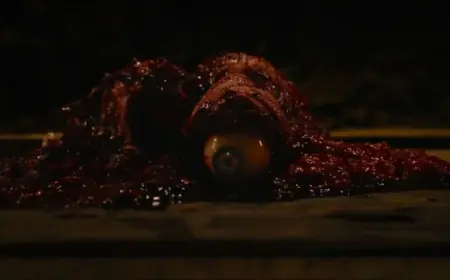

























“Leviticus: Queer Desire Turns Deadly in This Haunting Horror at Sundance 2026”

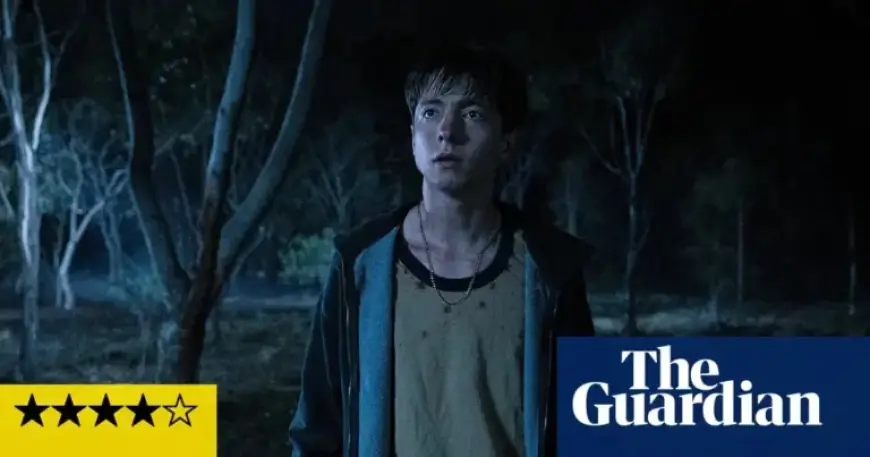
In the chilling landscape of horror cinema, “Leviticus” emerges as a thought-provoking narrative that intertwines queer desire and haunting supernatural elements. Set in an isolated Australian town, it explores the fear and stigma surrounding homosexuality, particularly among the youth. Directed by Adrian Chiarella, this film premiered at Sundance 2026 and has garnered attention for its unique perspective and storytelling.
Plot Overview of Leviticus
The film introduces viewers to Naim (played by Joe Bird) and Ryan (Stacy Clausen), two gay teenagers navigating their feelings in a conservative community. Their secret romance leads to dramatic consequences when they encounter Hunter (Jeremy Blewitt), the son of the local preacher.
What begins as innocent encounters quickly turns dark. After being discovered, Ryan and Hunter are subjected to a troubling conversion-therapy ritual led by an enigmatic outsider. They initially dismiss the ritual as absurd, but it quickly takes a sinister turn as they find themselves cursed.
The Nature of the Curse
In “Leviticus,” desire transforms into a lethal threat. The curse manifests as the very figure of their affection, turning love into a source of dread. As this parallel to the fear of self-destruction emerges, it raises profound questions about the impact of repressed feelings.
Thematic Elements
The film cleverly blends elements reminiscent of “It Follows,” delving into themes of desire and its consequences. It serves as an allegory for the HIV/AIDS crisis, exploring the tension between longing and fear. As the story unfolds, viewers witness the devastating effects on relationships and the struggle to embrace one’s identity.
Character Relationships
- Naim and Ryan: Their bond represents the innocence and excitement of first love, dampened by external threats.
- Hunter: His character complicates the dynamics as societal pressures threaten to derail their happiness.
- Naim’s Mother (Mia Wasikowska): A loving yet misguided figure, she highlights the complexities of familial love amidst societal intolerance.
Visual and Emotional Impact
Chiarella’s direction expertly balances moments of tension with scenes that celebrate love and connection. The cinematography captures both the coldness of isolation and the warmth of companionship. The film resonates not only through its horror elements but also through the tender moments shared by its characters.
Conclusion and Final Thoughts
While “Leviticus” employs familiar horror tropes, it subverts expectations with its thought-provoking narrative. The film reaches a compelling conclusion, incorporating a memorable musical choice from Frank Ocean that enhances its emotional weight. With its bold storytelling and critical themes, “Leviticus” is a significant entry in the genre, solidifying its place in the landscape of queer horror at Sundance 2026.