

























Ford Coyote vs. GM LS Engines: Key Differences Explained

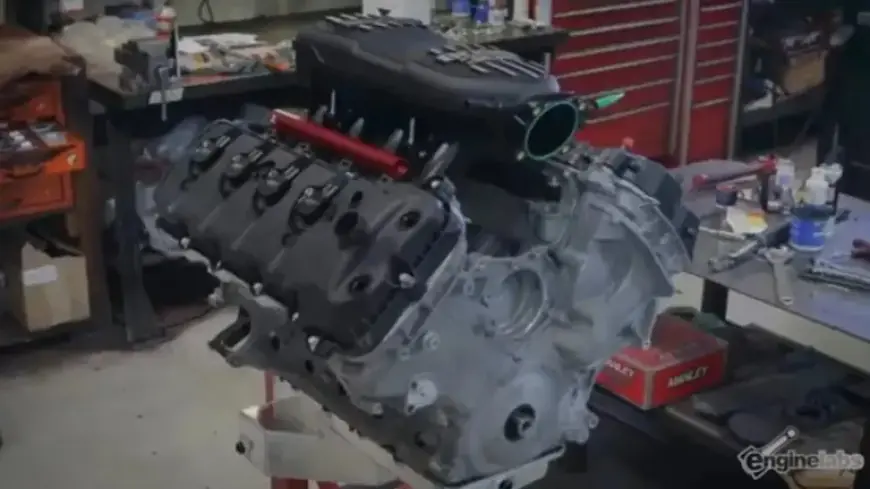
When comparing Ford’s Coyote engine to GM’s LS engines, several key differences emerge. Both options are popular for engine swaps, but they have unique characteristics worth exploring.
Engine Design Differences
The fundamental distinction between the Ford Coyote and GM LS engines lies in their valve train designs. The LS engine employs a traditional camshaft-in-block pushrod-activated overhead-valve design. This setup has been a hallmark of small-block Chevy engines for generations.
In contrast, the Ford Coyote features a more modern dual-overhead-camshaft arrangement. This setup provides enhanced control over the intake and exhaust valves, contributing to its performance advantages.
Size Considerations
From a practical perspective, size plays a significant role in engine swaps. The Ford Coyote engine is approximately six inches wider than the GM LS engine, largely due to its extensive valve covers that house the DOHC design.
Engine Displacement and Variants
Both engine families have a range of displacements and variants. The LS engine spans multiple generations and includes recognized displacements of:
- 5.3 liters
- 5.7 liters
- 6.0 liters
- 6.2 liters
- 7.0 liters
These engines are typically designated with model names such as LS1, LS2, and LS3, among others.
On the Ford side, the Coyote engine is relatively newer with four generations and six variations. Its displacements vary from 4.95 to 5.2 liters, featuring names like:
- Roadrunner
- Voodoo
- Aluminator
- Predator
- Dark Horse
Crate Engine Comparisons
For those considering crate engines for their builds, notable options from both manufacturers exist. The Ford Performance Parts fourth-gen 5.0L Mustang Crate Engine retails for $12,650. This engine mimics the setup of the 2024 Mustang GT, boasting:
- 480 horsepower
- 415 pound-feet of torque
- 12.0:1 compression ratio
- Dual throttle bodies
In comparison, Chevrolet’s Gen4 6.2L LS3, available through GM Performance, is priced at $12,608. This engine produces:
- 430 horsepower
- 425 pound-feet of torque
- 10.7:1 compression ratio
Performance Highlights
The supercharged versions of each engine demonstrate significant performance potential. The LS9 engine, found in the C6 Corvette, delivers an impressive 638 horsepower and 604 pound-feet of torque. Meanwhile, the top-tier Coyote engine, a supercharged variant from the fourth-gen lineup, can generate up to 815 horsepower and 664 pound-feet of torque.
In summary, the Ford Coyote and GM LS engines both offer unique features and performance characteristics. Understanding their differences can assist enthusiasts in making informed decisions for engine swaps.