





















Lacari streamer fallout: Kick and Twitch bans turn a 10-second on-screen slip into a platform safety stress test

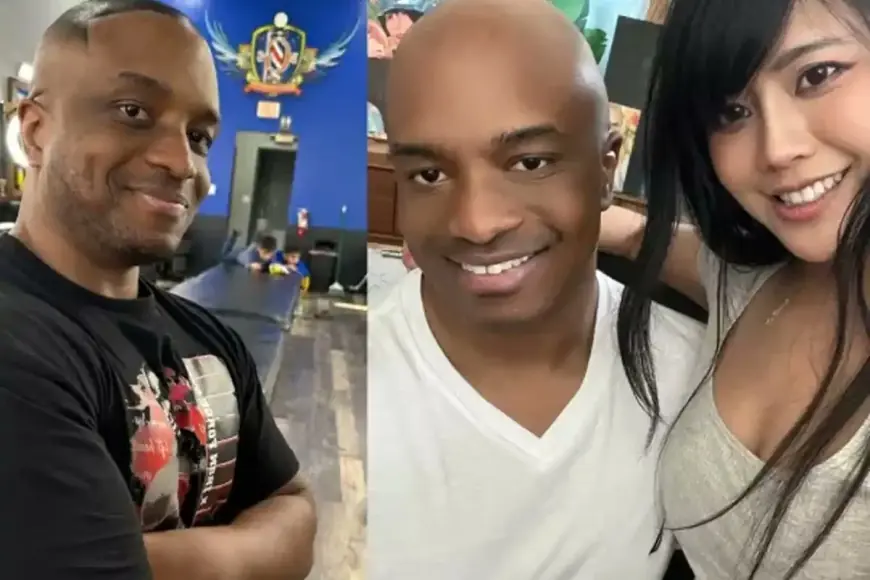
The Lacari situation is moving far faster than the usual “streamer drama” cycle because it sits at the worst intersection for live platforms: alleged illegal content, instant virality, and enforcement decisions that have to look decisive even when the public doesn’t know the full context. In recent days, Lacari—best known for variety and gacha-focused streams—was removed from both Twitch and Kick after briefly displaying a Notepad window on stream that viewers interpreted as referencing prohibited material. The clip spread immediately, triggering the kind of reputational and legal-risk spiral that platforms treat as an emergency, not a PR problem.
When platform “safety” becomes the product, not the policy
Kick’s brand has grown partly by positioning itself as a looser alternative to legacy streaming rules. Moments like this expose the hard limit of that strategy: no major platform can be permissive around content that crosses into criminal territory, and the optics of hesitation are often worse than the optics of speed.
That’s why this story isn’t only about one creator. It’s about how streaming services respond when a live broadcast appears to show something that cannot be tolerated—especially when the clip is short, interpretations race ahead of facts, and public pressure demands an immediate yes-or-no outcome.
For creators, the stakes are equally stark. A channel can be built over years and effectively end in minutes if the platform concludes the content risk is too high, even temporarily. For viewers, the case has revived a separate anxiety: how many people are one “open recent tabs” moment away from an irreversible mistake.
What happened on stream, in plain terms
The incident centers on a short segment where Lacari opened Notepad while live. What viewers saw on screen was enough to spark allegations that the file contained references to prohibited and potentially illegal material. That single moment became the entire narrative engine: clip → social amplification → demands for action → bans.
Lacari has publicly denied wrongdoing and framed the appearance of the material as accidental and not reflective of deliberate intent. That denial has not stopped the backlash, partly because the underlying allegation is so severe that audiences tend to assume the worst long before any external verification exists.
Where the enforcement stands right now
Both Twitch and Kick have taken enforcement action against Lacari’s channels. The nature of the bans has been treated online as severe, with the platform response communicated through account status and availability rather than a long public explanation.
The absence of detailed public reasoning is typical in high-risk cases. Platforms generally limit what they say—sometimes to avoid spreading harmful content, sometimes for legal reasons, and sometimes because the internal review process isn’t designed to be transparent in real time. That gap often makes the rumor layer louder, not quieter.
Mini timeline of how it escalated
-
Live stream moment: Notepad appears briefly on-screen
-
Minutes to hours: Clips spread widely; allegations harden quickly
-
Shortly after: Enforcement action hits on major platforms
-
Following days: Denials and counter-arguments circulate alongside calls for investigation and wider accountability
Why “Kick” keeps getting searched alongside “Lacari”
Kick’s involvement matters for two reasons. First, it shows the platform is willing to apply hard enforcement when it believes a line has been crossed, regardless of its freer overall positioning. Second, it highlights a broader shift: creators increasingly multi-stream or move between platforms, which means a single incident can cascade across services at once. When one platform acts, the expectation that others will follow grows instantly.
It also underscores a quieter technical point that many creators are now discussing: modern apps and operating systems increasingly preserve sessions, tabs, and recent files by default. That convenience feature can become a liability in a live environment, where the difference between “private” and “broadcast” is one click.
The uncertainty that will shape what happens next
This story is still developing in a way that matters: the most serious claims require more than viral clips to resolve. Two things can be true at the same time: platforms can act quickly to reduce risk, and the public can still lack verified information about intent, provenance, or context.
What will likely determine the next phase is not online debate but procedural reality:
-
whether any external review or investigation becomes public
-
whether platform enforcement remains permanent or shifts after internal appeals
-
whether partners and affiliated organizations distance themselves formally
-
whether additional evidence emerges that clarifies what was shown and why
For now, the clearest confirmed outcome is straightforward: the Lacari incident has become a live demonstration of how quickly streaming careers can collapse when content safety questions enter the frame—and how swiftly Kick and other platforms will move when the risk category is too dangerous to leave unanswered.