























Bruce Springsteen’s sudden January surge is hitting fans on two fronts: activism onstage and a new wave of “Nebraska”-era attention

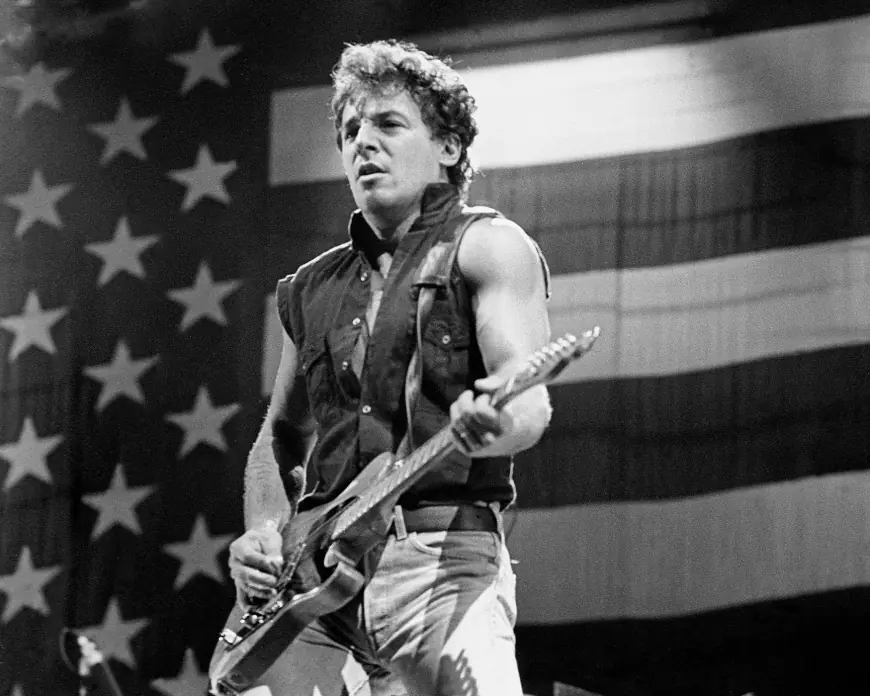
Bruce Springsteen has a way of re-entering the cultural bloodstream without a formal “comeback” announcement. Over the past week, he’s done it twice—first with a surprise live appearance that turned into a pointed political moment, then with a new burst of at-home viewing around a dramatized look at his early-’80s creative pivot. The impact is immediate: a fresh round of debate about his role as a public voice, and a renewed pull toward the stark, stripped-down chapter of his catalog that keeps shaping how people talk about American music.
A benefit-night cameo that became a national conversation
Springsteen’s unannounced appearance at the Light of Day WinterFest in Red Bank, New Jersey—an annual benefit that raises money and awareness for Parkinson’s disease and related neurodegenerative illnesses—was expected to be a crowd-pleasing moment. Instead, it became something sharper.
Onstage, he criticized recent U.S. immigration enforcement actions and dedicated “The Promised Land” to Renee Nicole Good, a Minnesota mother of three who was killed in an encounter involving federal immigration agents earlier this month. Even by Springsteen standards—long known for mixing rock performance with civic commentary—the tone landed as unusually urgent.
What made the moment travel fast wasn’t just the message. It was the setting: a local benefit show, not a stadium tour stop; a surprise drop-in, not a planned speech; and a song choice that already carries a “keep going” grit that audiences attach to real-world struggle. In other words, it didn’t feel like a campaign stop. It felt like a musician stepping into a room and deciding the room needed to hear something.
The “Nebraska” era is back in focus, and it’s changing the way people re-listen
While the live appearance pulled attention to Springsteen the public figure, a separate thread has been pulling people toward Springsteen the craftsman. A dramatized biographical film centered on the period around Nebraska has begun streaming (since January 23, 2026), spotlighting the years when Springsteen was moving from arena-scale ambition to a stark, home-recorded honesty.
That timing matters. Nebraska has always lived in a different lane than the fist-pumping myths: it’s quieter, stranger, and more morally complicated. When a new wave of viewers encounters that era through a narrative lens—how the songs were made, what they cost emotionally, why the minimal sound mattered—it tends to reshape listening habits. People don’t just revisit the hits. They go looking for the cold corners: the characters, the consequences, the silences between lines.
Here’s the real takeaway of the past week: Springsteen’s current relevance isn’t being powered by a new single or a tour teaser. It’s being powered by context—why he speaks, when he chooses to speak, and how his most severe songwriting keeps finding new listeners when the country feels tense.
-
More public appearances like surprise benefit sets would signal he’s comfortable staying visible without a formal tour cycle.
-
A measurable rebound in Nebraska-adjacent listening (not just the title tracks) would confirm the streaming film is driving deep catalog discovery.
-
Continued political remarks in small rooms—not just big venues—would indicate this isn’t a one-off impulse.
-
If other artists begin referencing Nebraska again in interviews and setlists, it will show the ripple effect is moving outward.
-
Any fresh studio updates would shift the story from “reassessment of the past” to “what he’s building now.”
Springsteen doesn’t need to announce a new era to create one. A single night on a benefit stage, followed by a renewed spotlight on his most austere creative period, has been enough to remind people why his work still sits at the intersection of rock mythology and American reality—messy, moral, and never entirely settled.