

























Border 2 reviews split sharply as Republic Day weekend turns the sequel into a real-time referendum on “patriotic cinema”

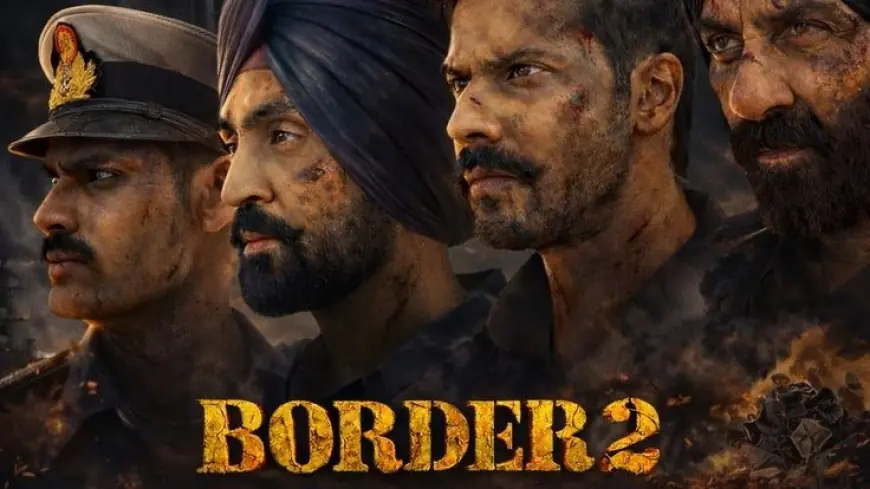
Border 2 has arrived as the kind of event film that doesn’t wait for word-of-mouth—it creates it instantly, loudly, and in opposing directions. The sequel’s opening weekend conversation is less about whether it has scale (it does) and more about whether it earns emotion, restraint, and rewatchability in a genre where audiences can confuse volume with impact. The result: reviews and early audience reactions are diverging so widely that Border 2 has become two movies at once—an adrenaline rush for some, a dutiful retread for others.
The risk for Border 2 isn’t opening-day hype—it’s staying power
Republic Day releases often begin with a built-in tailwind: national mood, group viewing, and a willingness to meet the film halfway. But that same context raises the bar for what people want next—authenticity, character weight, and a feeling that the tribute lands, not just the slogans.
That’s where the reviews are colliding. On one end are reactions calling it a stirring big-screen war spectacle that honors the legacy of the 1997 original, praising Sunny Deol’s commanding presence and the film’s large-scale set pieces. On the other end are critiques that argue the sequel leans too hard on familiar beats, with less emotional residue and less urgency than the film it’s trying to echo. The most repeated complaint from mixed reactions is simple: the movie can feel long, and not every stretch is carrying its weight.
What Border 2 is—and why expectations were so high
Border 2 is positioned as the second entry in the Border franchise, arriving in theaters on January 23, 2026, timed to the Republic Day weekend. The cast lineup is built for mainstream pull and generational reach:
-
Sunny Deol
-
Varun Dhawan
-
Diljit Dosanjh
-
Ahan Shetty
-
with key supporting roles including Mona Singh, Sonam Bajwa, Medha Rana, and Anya Singh
It’s directed by Anurag Singh and draws on the military conflict setting associated with the original franchise’s identity, pushing a multi-branch, multi-character war narrative designed to feel panoramic rather than intimate. That ambition is also why the film is being judged on two separate scales: technical execution (action, sound, visuals) and emotional credibility (relationships, sacrifice, grief).
What reviewers agree on, even when they disagree on the movie
Despite the polarized reception, a few common threads keep appearing across the early review landscape:
-
Sunny Deol is the anchor. Even critical takes tend to treat his presence as the film’s stabilizing force—the part that feels most “built for this franchise.”
-
Spectacle is a selling point. Action staging and battlefield scale are frequently singled out as the movie’s most consistent strength.
-
Length is a flashpoint. A noticeable share of early reactions—especially among general audiences—frame runtime and pacing as the main friction point.
-
Craft debates are real. Some praise the technical package, while others point at uneven visual effects and moments that feel more assembled than lived-in.
The quickest way to understand the split (without rehashing plot)
The film appears to work best for viewers who want a big, emotional national-cinema experience in a theater—music swelling, crowd energy, and clear moral stakes. It appears to work least for viewers who wanted the sequel to reinvent the template, deepen the characters, or deliver a more modern, less familiar emotional rhythm.
A practical “should I watch it?” guide for the current moment
-
If you’re going for theatrical scale—loud sound design, big action, crowd reactions—this is exactly the kind of movie built for that environment.
-
If you’re hoping for tight pacing and subtle characterization, be prepared for a film that some viewers describe as more sweeping than focused.
-
If you loved the original Border for its emotional punch, the key question is whether the sequel’s sentiment lands for you or feels like repetition.
-
If you’re sensitive to runtime fatigue, the common warning is that the film demands patience between peaks.
-
If you’re watching with family over the holiday weekend, the film’s group-viewing appeal is part of its design—and part of why reactions can skew warmer in packed shows.
Border 2 isn’t suffering from indifference. It’s generating a real argument about what audiences want from a legacy war franchise in 2026: louder or deeper, bigger or sharper, homage or evolution. The next few days will decide which side of that argument matters most—because opening weekend gets you attention, but only sustained audience belief gets you legs.