





















Silent Hill new movie arrives with unusual uncertainty—and fans are split on whether it should have stayed in the fog

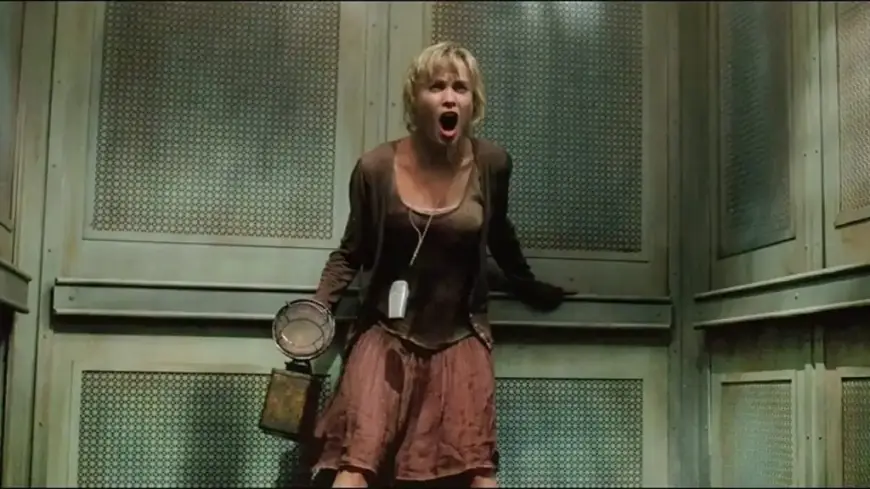
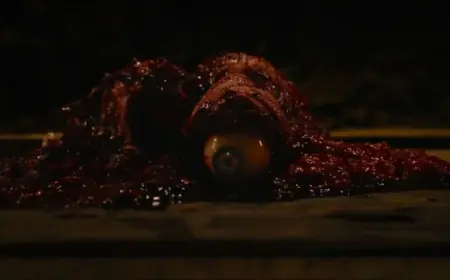
The new Silent Hill movie is finally here, but the biggest shock isn’t a monster reveal—it’s how unsettled the rollout feels. For horror fans, Return to Silent Hill was supposed to be the clean, confident restart: a director returning to the franchise, a story anchored to one of gaming’s most beloved entries, and enough nostalgia to pull old audiences back. Instead, the film’s early days have been dominated by two competing realities: a theatrical release that’s already underway in multiple markets, and a debate over quality so loud it’s drowning out the usual “go see it” momentum.
A reboot built on trust, hitting an immediate credibility test
This project carries extra weight because Silent Hill isn’t just a brand—it’s a tone. The games’ reputation rests on psychological dread, guilt, and suggestion rather than jump scares. When a film adaptation claims that DNA, it’s making a promise to a fanbase that has historically been hard to please.
That’s why the first-week conversation has been less about plot twists and more about whether the movie captures the feel of Silent Hill at all. Early reactions have skewed sharply negative, with some viewers describing it as loud and literal where the source material is quiet and unsettling. At the same time, a smaller pocket of fans is praising the film for committing to recognizable imagery—fog, decay, and iconic creatures—regardless of narrative messiness.
The result is an unusually polarized launch: the movie is available in theaters, the trailer is widely circulating, but the trust factor—so crucial for a horror reboot—has become the story.
What Return to Silent Hill is, and who’s in it
Return to Silent Hill is positioned as a fresh entry that draws heavily from Silent Hill 2, following James Sunderland, a man pulled back into the town by a mysterious letter connected to a lost love.
Key names attached to the film:
-
Christophe Gans directs (returning to the franchise after the 2006 film).
-
Jeremy Irvine stars as James Sunderland.
-
Hannah Emily Anderson plays Mary.
-
Evie Templeton appears as Laura.
-
The film features music credited to Akira Yamaoka, a name closely tied to the games’ sound identity.
This lineup matters because the marketing leans on familiarity: “the original filmmaker is back,” “the most iconic story is being adapted,” “the music heritage remains.” Those are deliberate signals meant to reassure longtime fans.
Release status: theaters first, streaming later—and no firm digital date
The movie is currently theatrical-first. In the U.S., the wide release date is January 23, 2026, with other markets opening on different days. In Egypt, some major cinema chains list showtimes beginning January 21, 2026. A France release is scheduled for February 4, 2026.
What’s not locked in publicly is the next step: streaming availability. Despite widespread searches for where to watch it at home, there’s no confirmed date for when it will land on subscription services, and it is not positioned as an immediate streaming debut. The likely path is the standard window: theaters first, then digital rental/purchase, then subscription—though the timing can vary based on performance.
Mini timeline (useful if you’re trying to plan viewing)
-
Aug 2025: First teaser marketing push
-
Dec 2025: Broader trailer campaign expands
-
Jan 21, 2026: Theatrical showtimes begin in parts of MENA (including Egypt listings)
-
Jan 23, 2026: U.S. theatrical release
-
Feb 4, 2026: France theatrical release
-
Afterward: Digital/streaming window still unannounced
Why the reaction is so intense
This isn’t just “fans being picky.” Silent Hill 2 is treated by many as a landmark psychological horror story, and adaptations are judged on subtext as much as spectacle. When a film leans too hard into “greatest hits” visuals—iconic monster appearances, familiar symbols, recognizable set pieces—some fans feel it trades emotional horror for fan-service.
At the same time, a movie has to work for people who never played the game. That’s the adaptation trap: stay too faithful and it can feel cryptic; explain too much and it loses the unease. Early backlash suggests many viewers think the film misses that balance, while supporters argue that a big-screen Silent Hill should be allowed to be operatic and grotesque, not purely introspective.
The forward signal that will decide the movie’s afterlife
The next phase is simple: legs. If Return to Silent Hill holds audiences beyond opening weekend—especially among non-gamers—its mixed reputation may soften into cult curiosity. If it drops quickly, the story shifts from “controversial reboot” to “cautionary tale,” and the franchise’s next move becomes harder, not easier.
Either way, the fog is doing what it always does: hiding the line between what viewers expected and what they actually got.