
























U.S. Appeals Court Finds Probable Cause Against Journalist Don Lemon, No Warrants Issued

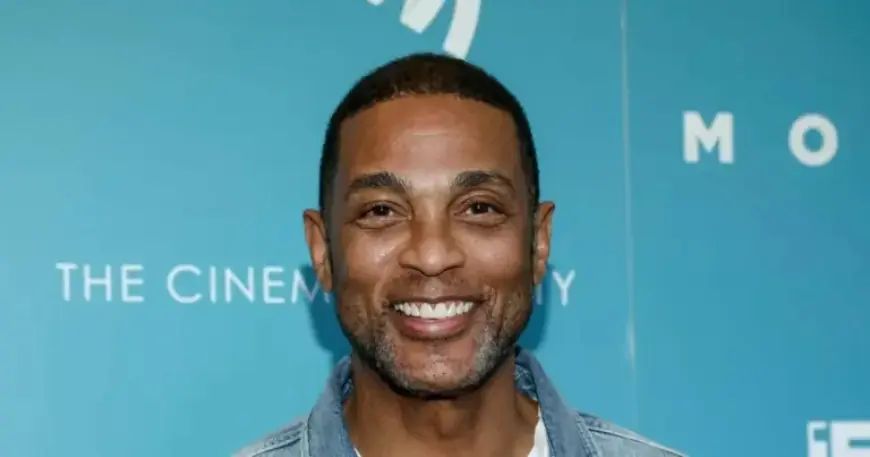
A federal appellate court has determined that the Justice Department possesses probable cause to charge five individuals, including journalist Don Lemon. This ruling pertains to their involvement in a protest against ICE at a church in St. Paul, Minnesota. However, the court declined to instruct a lower court to issue the requested arrest warrants.
Details of the Ruling
The decision was made public by the U.S. Court of Appeals for the Eighth Circuit. It followed an appeal from the Justice Department dating back to an incident on January 20, when prosecutors sought arrest warrants for civil rights violations. These allegations claim that the defendants infringed upon churchgoers’ rights to religious freedom.
- Individuals charged include Don Lemon, though full names remain undisclosed.
- Magistrate Judge Doug Micko did not approve an arrest warrant for Lemon.
- Three individuals face charges related to the protest that occurred on a Sunday.
Context of the Protest
The protest took place at St. Paul’s Cities Church. Activists entered the church during a service after learning that an Immigration and Customs Enforcement (ICE) official was among the pastors. Legal complaints indicate that several other defendants were implicated, although their identities are not publicly known due to redactions.
Lemon’s legal representative, Abbe Lowell, has voiced strong opposition to the attempts to arrest Lemon. He contended that this represents an effort to suppress journalistic activities protected under the First Amendment.
Judicial Proceedings
Chief Judge Patrick Schiltz of the U.S. District Court for Minnesota expressed concern regarding the requests made by U.S. Attorney Daniel Rosen. The judge indicated that it is unusual for the department to press for immediate judicial action without an adequate basis. He noted that the matter could typically be resolved through improved documentation or a grand jury indictment.
Following the court’s reluctance to issue the warrants, the Justice Department described the situation as urgent. They argued that failure to act quickly might lead to similar protests at religious sites across the nation.
Possible Next Steps
The Justice Department now has several options in light of the appellate court’s ruling. They may choose to create new affidavits to support the charges and resubmit them to the court. Alternatively, they might seek grand jury indictments, depending on how they wish to proceed with the case.
The ongoing legal situation surrounding this protest continues to develop, with implications for the defendants involved and the broader context of civil rights and journalism. As the scenario unfolds, observers remain watchful of further actions from the Justice Department.