
























Clika movie turns a viral-music fantasy into a cautionary tale—and that’s why it’s landing now

Clika arrives with a premise that feels ripped from the current music economy: one clip catches fire, the spotlight opens, and the temptation to shortcut the grind gets louder. The hook isn’t just fame—it’s how quickly ambition can become leverage for people who want a piece of it. For fans of Mexican-American rap and regional-adjacent scenes, the film reads like a mirror held up to a moment where artists can blow up overnight, often without a safety net, a team, or a clear line between opportunity and exploitation.
A story made for the “viral era” of Mexican-American music
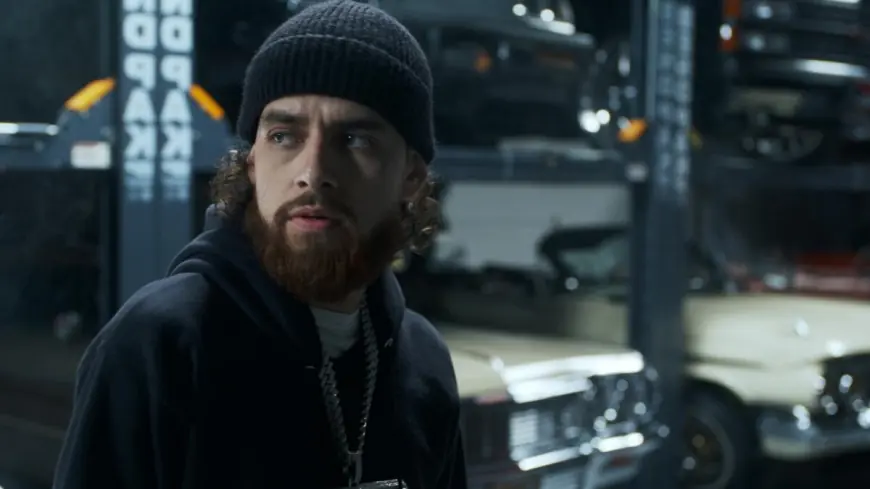
At its center is Chito, a small-town musician determined to break into a fast-rising wave of Mexican-American music. When a performance clip goes viral, he pushes hard to claim space in the scene—but the film’s tension comes from what that hunger invites. The promise of quick money and fast access doesn’t show up as a cartoon villain; it creeps in as a practical solution to real problems, until the solution starts making decisions for him.
That framing matters because Clika isn’t simply “a music movie.” It’s closer to a pressure-cooker drama about:
-
how quickly an artist’s life can be reshaped by attention,
-
what happens when family needs collide with creative dreams,
-
and how proximity to the wrong kind of money can feel like a career boost—right up until it isn’t.
The result is a film that speaks directly to an audience that understands the stakes of “going viral”: the clip is free, but the consequences rarely are.
What Clika is, who’s in it, and what the release details signal
The film is positioned as the debut feature tied to producer Jimmy Humilde’s film efforts, with Michael Greene directing and co-writing. The lead role is played by Jay Dee, with a cast that blends music-world familiarity and veteran screen presence. Theater listings peg the film at about 82 minutes and an R rating, which hints at a tight, blunt approach rather than a glossy, sanitized rise-to-fame arc.
The tone promised in the marketing is “one dream, one shot,” but the story’s engine is the tradeoff: the faster Chito tries to climb, the more he risks becoming trapped in a game that isn’t really about music anymore.
A few practical, real-world signals the film is aiming beyond the niche:
-
A major-studio theatrical release strategy suggests confidence in crossover interest.
-
The short runtime indicates a focused narrative—less wandering tour montage, more cause-and-effect.
-
The cast mix implies the film wants authenticity without locking itself into fan-service.
The value-add: quick ways to tell if Clika becomes a moment—or a footnote
-
Soundtrack pull: If the songs associated with the film spike outside the core fanbase, the movie’s cultural footprint will outgrow its box-office footprint.
-
Audience split: Strong crowd reaction alongside mixed critical response would fit the film’s gritty, inside-baseball energy.
-
Regional concentration: If certain U.S. markets carry the theatrical run, it’ll show where the story feels most personal—and where it’s still “new” to mainstream audiences.
-
Repeat viewing: A short runtime can boost rewatch behavior if the music sequences and key scenes are replayable.
-
Conversation staying power: If people keep debating whether the film is inspirational or warning-label, it’s doing its job.
Clika’s real hook isn’t whether Chito makes it—it’s whether “making it” is even the same thing once the clip goes viral and the stakes turn physical, financial, and moral. In a music culture where fame can show up before readiness, the film’s sharpest move is treating the dream like something that can be hijacked.