Mark Kerr’s legacy meets awards-season uncertainty as Dwayne Johnson’s “The Smashing Machine” lands one nod

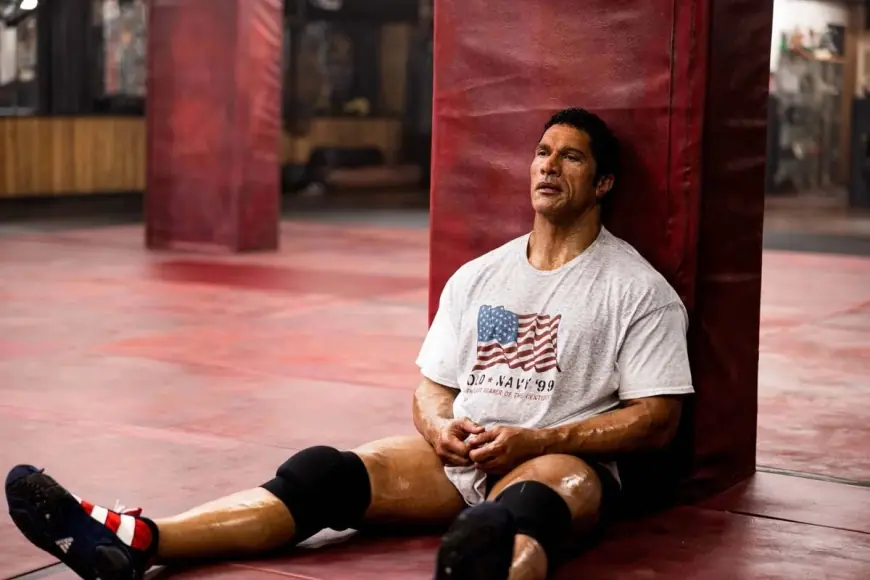
For a film built on pain tolerance—physical and personal—“The Smashing Machine” is now confronting a different kind of pressure: awards-season math. In recent days, the Mark Kerr biopic earned recognition for the transformation that turned Dwayne Johnson into the former heavyweight star, but it didn’t translate into broader nominations. That split outcome matters because the project was widely treated as Johnson’s most serious bid yet to redefine his on-screen identity, while also reintroducing Kerr’s complicated story to a much bigger audience.
The tension at the center: craft recognition, but an unclear path for the movie’s bigger ambitions
The clearest signal so far is the one category where the film can’t be ignored: makeup and hairstyling. That’s the axis the movie turns on—Kerr wasn’t just “a fighter,” he was a specific presence from a specific era, with a particular wear-and-tear that needed to read as real in close-ups and under harsh lighting. The nomination validates the craft that made the illusion believable.
What’s less clear is what happens next for the film’s momentum. A single technical nomination can keep a title in the conversation, but it can also freeze the narrative into a one-lane story: impressive transformation, limited wider support. For Johnson, that matters because “The Smashing Machine” was positioned as a performance-first pivot—less charisma, more character; less wink-at-the-camera, more haunted interior.
For Kerr, the stakes are different. The attention tends to land on the actor first, then the real person—sometimes flattening the subject into a highlight reel. Kerr’s real arc doesn’t cooperate with that. It’s elite competition, yes, but also dependence, injuries, and the kind of off-mat collapse that made his life famous for reasons no athlete wants.
Inside the film’s moment: why this story keeps resurfacing
Kerr became a defining figure in early mainstream MMA because he looked like inevitability—an exceptional amateur wrestling base turned into a wrecking-ball style that felt unstoppable. The nickname “The Smashing Machine” didn’t come from marketing polish; it came from what his fights looked like. But the same period that built his legend also exposed how punishing the sport could be when painkillers, expectations, and identity all blur together.
That’s why the movie’s reception has been so closely tied to “credibility.” Viewers don’t just want to be entertained; they want to believe the film understands what it’s depicting. The more the movie is treated as a showcase for Johnson’s acting, the more it risks turning Kerr into a vehicle rather than a person. The best version of the project does the opposite: it uses star power to get people in the door, then leaves them unsettled about what “success” costs.
A few practical realities are shaping the conversation right now:
-
Awards attention is concentrating on the transformation rather than the full film, which can narrow how new audiences interpret Kerr’s story.
-
The film’s commercial performance has become part of the discourse, even though box office rarely maps cleanly onto long-term cultural impact.
-
Kerr’s real-life complexity makes “inspirational sports movie” framing feel dishonest, forcing the film to live or die on tone and restraint.
-
Johnson’s career narrative—blockbuster certainty versus riskier roles—amplifies every awards-season signal, big or small.
-
The category the film did land in highlights labor-intensive daily work, a reminder that “becoming” someone on screen is often a team achievement, not a solo feat.
What happens from here won’t be decided by one nomination list. The next phase is about whether the film’s reputation settles into “impressive makeover” or grows into “enduring sports drama.” Kerr’s name is already famous inside fight culture; the question is whether this wave of attention leaves casual viewers with anything beyond the mythology.
And for Johnson, the message is stark: if this was the pivot, the pivot isn’t complete. The role opened a door—now the follow-up choices determine whether it was a detour or a new lane.