





















Minnesota Challenges Trump’s Immigration Crackdown Policy: NPR

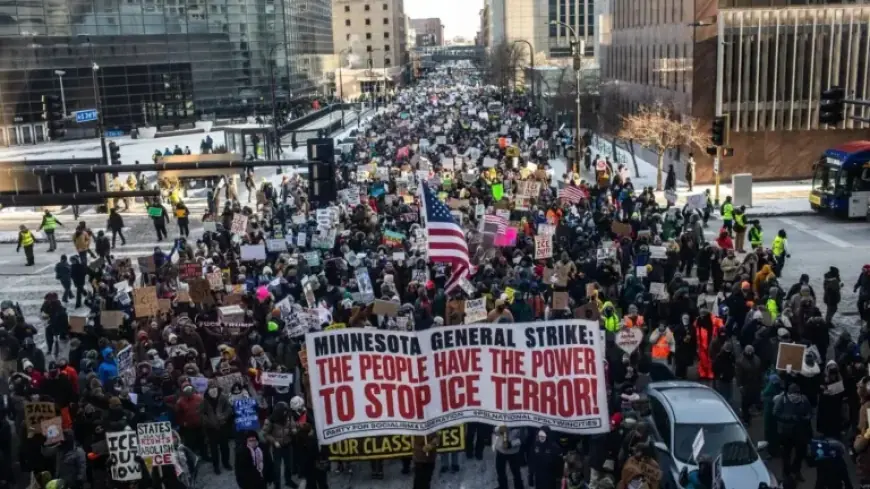
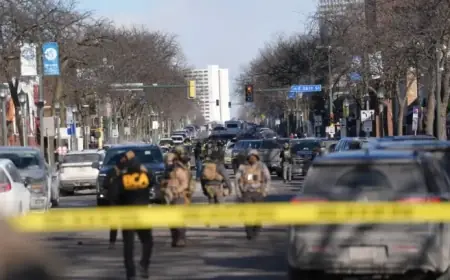
In response to aggressive immigration enforcement across Minnesota, thousands rallied in downtown Minneapolis on January 23, 2026. The protest, held despite subzero temperatures, marked a significant moment in the ongoing backlash against federal immigration policies.
Minnesota’s Response to Trump’s Immigration Crackdown
Business closures were widespread as part of the coordinated event, termed “ICE Out of Minnesota: A Day of Truth and Freedom.” Numerous establishments, including restaurants, museums, and coffee shops, closed their doors to stand in solidarity with the cause.
Organizers and Goals
- Labor unions and community activists organized the economic blackout.
- Protesters demanded the withdrawal of Immigration and Customs Enforcement (ICE) from the state.
- They called for Congress to cease funding for ICE and for businesses to end relations with the agency.
- Accountability was sought for Jonathan Ross, the ICE officer involved in the fatal shooting of Renee Macklin Good.
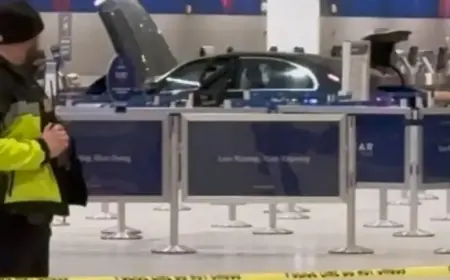
At the core of the protest was a plea for justice. Protesters expressed their fears and frustrations about the increasing presence of federal immigration officers in their communities. Many individuals, including clergy members, participated in demonstrations at the Minneapolis-St. Paul International Airport, where about 100 clergy were arrested for trespassing while protesting against deportations.
Community Resistance
Across the state, grassroots efforts intensified to counteract ICE’s operations. Community members formed networks to deliver food to those too afraid to leave their homes. Schools and immigrant-owned businesses were monitored to provide a protective presence against federal enforcement.
Rev. Susanne Intriligator from Massachusetts joined the protest, highlighting the collaborative spirit among residents. “It’s been amazing to learn from the people of Minneapolis,” she said.
Escalating Tensions
As the protests unfolded, reports of aggressive tactics used by federal agents emerged. Witnesses described incidents involving tear gas and random detentions of community members. Over 3,000 federal officers are now active in Minnesota, significantly raising tensions.
Martha Bardwell, pastor at Our Saviour’s Lutheran Church, stated, “We are in total crisis here in Minnesota with this ICE surge.” Families recounted distressing encounters with ICE, including a small child reportedly used as bait by agents during a house raid.
Many voices are now rising against the treatment by federal officers. Nasra Ahmed, a Somali-American and U.S. citizen, shared her harrowing experience of being detained and racially profiled by agents. Her story is one of many shedding light on the impact of these aggressive operations.
Federal Response and Future Implications
Amid protests, local police voiced concerns about being racially profiled by federal agents. In contrast, Vice President JD Vance defended ICE, emphasizing the federal government’s serious approach to allegations of misconduct.
The situation remains fluid as federal authorities prepare for further protests. Notably, the Pentagon has placed military troops on standby in anticipation of possible escalations, reflecting the increasingly charged atmosphere in Minnesota.
This developing story highlights the community’s resilience against Trump’s immigration crackdown and the ongoing struggle for justice and enforcement reform in Minnesota.