
























Exiled Crown Prince Claims He Can Lead Iran to Democracy Without Trump’s Endorsement

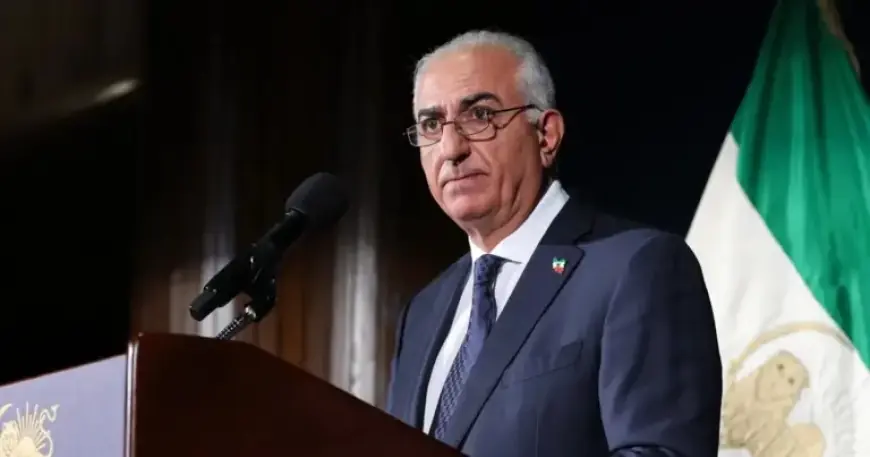
After 47 years in exile, Reza Pahlavi, the son of Iran’s last Shah, claims the time has come for him to lead his country towards democracy. Recently, he expressed optimism about the opportunities for change in Iran, highlighting a collective desire among Iranians for a new political direction. Pahlavi stated, “They have called for me to lead,” during a press conference in Washington.
Pahlavi’s Growing Influence
In recent weeks, Pahlavi has experienced a resurgence in recognition, particularly amid ongoing protests in Iran, where demonstrators chant his name. His social media outreach has resonated with many Iranians, indicating a potential shift in the political landscape. However, questions remain about whether he possesses the political acumen and internal support necessary to effect real change.
Current Situation in Iran
Protests in Iran intensified starting in late December but have diminished following deadly crackdowns by security forces, which reportedly resulted in thousands of fatalities. Human rights organizations have described the Iranian regime’s response as brutal, raising concerns for the safety of dissenters.
Trump’s Views on Pahlavi
Former President Donald Trump acknowledged Pahlavi’s appeal, referring to him as a “nice guy.” However, he expressed doubts regarding Pahlavi’s capacity to lead effectively within Iran. In past statements, Trump emphasized the need for a clear leadership structure among Iranian opposition figures.
Support for Pahlavi
Public opinion surveys conducted over the past three years show that Pahlavi garners significant backing from Iranians. According to research overseen by Ammar Maleki from the University of Tilburg, 30% of the public strongly supports him, while a similar percentage opposes him, and another third remains undecided.
- 30% support Pahlavi
- 30% oppose him
- One-third undecided
Andrew Ghalili, from the National Union for Democracy in Iran, pointed out that Pahlavi is capable of mobilizing support, especially amid the regime’s extensive repression of dissenters.
Challenges Ahead
Despite his increasing popularity, Pahlavi faces notable challenges. The Iranian political landscape is marked by fragmentation among opposition groups, making cohesive action difficult. Furthermore, there is a lack of visible defections from security forces loyal to the clerical regime.
Strategic Proposals
Pahlavi has outlined a framework for Iran’s democratic transition, emphasizing key principles such as:
- Territorial integrity of Iran
- Separation of religion and state
- Individual liberties
- Equality for all citizens
- Democratic choice for governance
He envisions himself as a transitional leader, allowing Iranians to decide on their ultimate political structure. Yet, internal divisions within the opposition concerning monarchy versus republic ideals could hinder his influence.
Conclusion
While Reza Pahlavi’s emergence as a symbol of hope for some Iranians is evident, his ability to unite various factions and translate public sentiment into a cohesive movement remains to be seen. Observers agree that for any proposed transition to succeed, Pahlavi will need to cultivate genuine organizational support within Iran, ensuring that protests are sustained and well-coordinated.