

























Gen Z Supports Keeping Australia Day Date: Poll Reveals

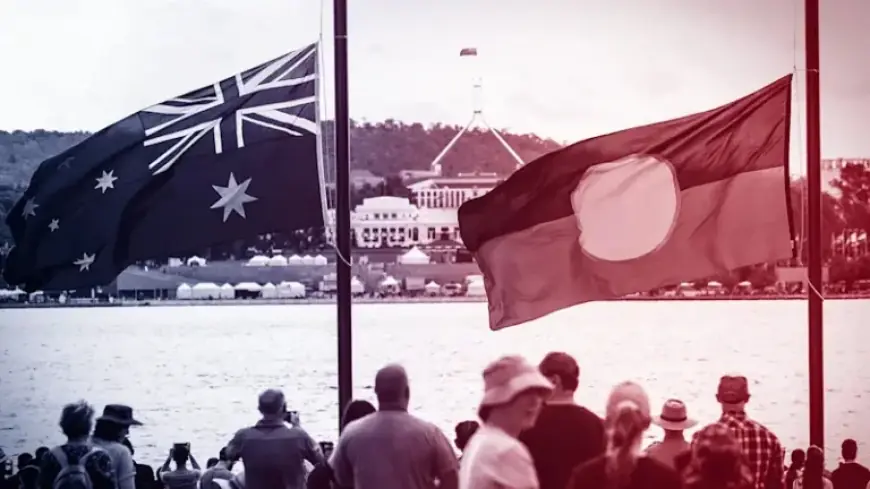
Recent polls reveal significant support among Australians for retaining January 26 as Australia Day. Following controversies and discussions surrounding the day, seven out of ten respondents oppose changing the date. This shift follows a summer of heightened tensions, especially after events like the Bondi killings.
Polling Trends
Exclusive surveys conducted by Resolve Political Monitor indicate a steady rise in support for January 26 over the past three years. In 2023, only 47% of Australians favored the date. By 2024, support had increased to 56%, immediately following the failed Voice to Parliament referendum.
Currently, 68% of respondents endorse January 26 as Australia Day, despite significant Indigenous opposition to commemorating the arrival of the First Fleet and the onset of colonization. Those aged 18-34 show a notable inclination to retain the day, with 55% favoring January 26 and only 24% advocating for a change.
Declining Support for Change
Support for altering the date has plummeted from 39% in early 2023 to just 16% now. The percentage of undecided voters has remained relatively constant during this period. Significant reductions have also been noted in attendance at Invasion Day rallies. For instance:
- In 2019, Melbourne witnessed approximately 50,000 participants in these marches.
- Crowds in Sydney numbered around 40,000.
- Last year, attendance dropped significantly, with rallies in both cities attracting about 25,000 people.
Invasion Day Rallies
State authorities have sanctioned the Invasion Day rallies scheduled for upcoming dates in Melbourne and Sydney. New South Wales Police Commissioner, Mal Lanyon, has designated Hyde Park as a permissible protest area, emphasizing the peaceful nature of the events.
Recent lifting of protest restrictions in Victoria allowed rally organizers to successfully challenge certain police powers within the CBD. Additionally, anti-immigration marches organized by March for Australia are set to take place on Australia Day.
Public Sentiment on National Unity
According to Resolve’s findings, 66% of Australians believe a national day fosters social cohesion. Furthermore, 74% support the concept of having a designated national day. Jim Reed, director of Resolve, remarked on the necessity for mechanisms that promote unity amid ongoing social divisions.
Political Responses
Prime Minister Anthony Albanese recently emphasized Australia Day as an opportunity to celebrate the nation’s cultural diversity. He reflected on Australia’s three historical phases, highlighting the importance of Indigenous culture, British heritage, and the multicultural society that has emerged.
While both the federal Labor Party and the former Coalition endorse January 26 as the national day, the Greens advocate for a date change. Indigenous rights activist Thomas Mayo acknowledged the changing poll results while maintaining that many Australians will ultimately push for a more inclusive commemorative date.
Reconciliation and Historical Perspectives
Mayo expressed that calls for changing Australia Day reflect a broader understanding of its historical significance. He framed the day as a period of mourning since the first protest in 1938.
The Reconciliation Council reiterated that objections to January 26 are not meant to provoke guilt but to encourage reflection and understanding of historical injustices. They advocate for respectful discussions surrounding the date to foster reconciliation in Australian society.