
























US-Israel Strategy Intensifies Focus on Iran


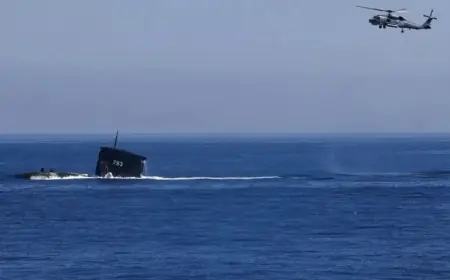
The U.S.-Israel strategy regarding Iran has intensified, with significant military movements and rising tensions in the Middle East. Amidst growing speculation, the Trump administration has relocated over a dozen F-15 fighter jets and the USS Abraham Lincoln aircraft carrier to the region. While immediate fears of an overt war have calmed, the potential for wider conflict remains high.
Military Mobilization and Threats
President Donald Trump issued a stark warning concerning potential Iranian threats, stating that any actions against him would lead to severe consequences. He asserted, “Anything happens, they’re going to wipe them off the face of this earth.” Iranian officials, including President Masoud Pezeshkian, have responded by framing any assassination attempt against Supreme Leader Ayatollah Ali Khamenei as a declaration of war.
Expert Analysis on U.S.-Iran Relations
In recent discussions with Dr. Foad Izadi, a professor of American studies at the University of Tehran, insights were offered regarding U.S. intentions in Iran. Dr. Izadi alleged that the U.S. aims to replicate its Libya strategy, intending to destabilize Iran and exploit its oil resources. He further suggested that Trump has effectively handed control over Iran policy to Israeli Prime Minister Netanyahu.
Recent Unrest in Iran
Recent upheaval in Iran highlights competing narratives. Western perspectives depict the Iranian regime as authoritarian and incapable of managing domestic unrest. Reports from organizations supported by the U.S. government allege that thousands have died due to government crackdowns during these protests, with estimates exceeding 4,500 fatalities according to the Human Rights Activist News Agency (HRANA).
- HRANA’s report: 4,500 deaths, including around 200 security personnel.
- Iranian government figures estimate over 3,100 deaths, including 2,400 civilians.
- Over 26,300 arrests reported amid the unrest.
Iranian authorities contend that the protests, initially peaceful, were exploited by external forces, notably the U.S. and Israel, to instigate violence and unrest.
Internet Restrictions and Information Control
To manage the situation, the Iranian government has implemented a near-total shutdown of the internet for over a week. This decision has drawn criticism, as many argue it is an attempt to suppress information about the protests and government actions. The Iranian administration defends its move as a necessary measure to prevent cyber attacks, referencing prior operations by U.S. and Israeli forces.
The tumultuous situation in Iran continues to evolve, with tensions between the U.S. and Iran at an all-time high. The consequences of these geopolitical maneuvers remain to be seen, as the region braces for potential developments.