
























Dabo Swinney Accuses Ole Miss of NIL Tampering with Player

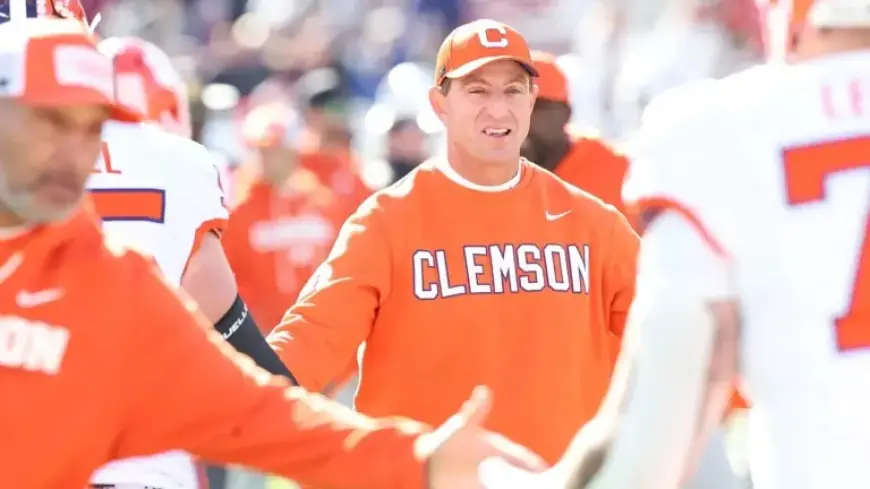
In a recent controversy, Clemson head coach Dabo Swinney accused Ole Miss of tampering related to player recruitment. The accusations center around linebacker Luke Ferrelli, who recently signed a Name, Image, and Likeness (NIL) deal and enrolled at Clemson. Swinney claims that Ole Miss’s new coach, Pete Golding, contacted Ferrelli multiple times after his commitment to Clemson.
Dabo Swinney’s Accusations Against Ole Miss
Swinney expressed his disappointment, saying, “This is a whole other level of tampering.” He criticized the current state of college football governance, labeling it as hypocrisy and a “sad state of affairs.” The crux of the issue lies in the alleged lack of accountability for tampering violations, which he argues undermines existing rules.
Potential Consequences and Responses
- Swinney and Clemson have formally reported the situation to the NCAA.
- Legal action against Ole Miss remains a possibility for Clemson.
- Swinney questions the integrity of the system, asking, “When is enough enough?”
He asserts that if rules exist, they must be enforced. The allegations of tampering reflect broader challenges within college athletics, particularly regarding NIL deals and the pressures they create.
The NCAA Governance Debate
The ongoing controversy arises amidst discussions about the NCAA’s regulatory challenges, especially after changes to player compensation structures. Swinney emphasized the absence of consistent governance and the need for clear rules in the NCAA.
- Players now compensated under NIL terms create a “Wild West” atmosphere in college sports.
- Calls for a formal solution, such as antitrust exemptions, are growing.
- Collective bargaining proposals are gaining traction among coaches.
Swinney believes that colleges desire an antitrust exemption without the implications of collective bargaining. He insists that while schools want to limit players’ rights, educators must consider the long-term impacts of a fractured system.
In summary, the situation highlights the tension between recruitment practices and the regulatory framework of NCAA football. As accusations ripple through college football, stakeholders are increasingly calling for reform amid a rapidly evolving landscape. Watch for updates on this ongoing situation at Filmogaz.com.