























“Exploding Trees” in Extreme Cold: Real Risk, Rare Event, Serious Consequences

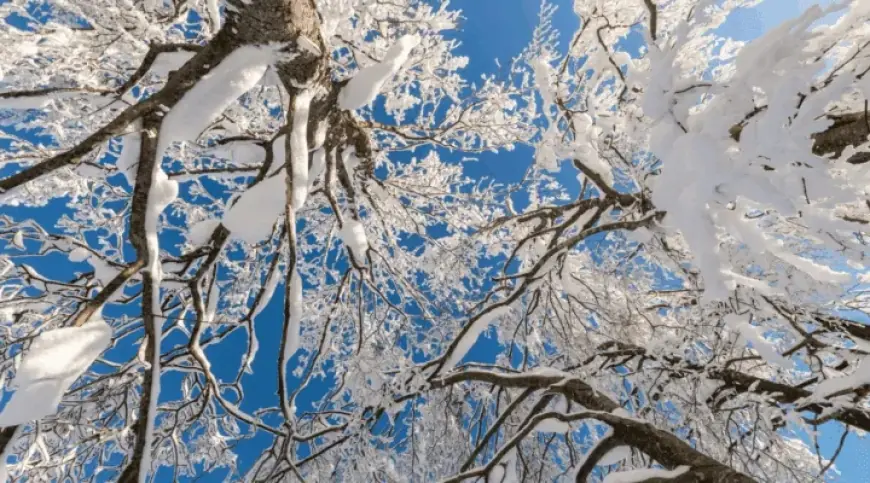
A tree “exploding” in winter sounds like a tall tale—until you hear the crack like a gunshot and find a long fresh split running up the trunk. It can happen in extreme cold, and when it does, it’s less about firework-style blasts and more about sudden, violent wood failure. The practical stakes are simple: falling limbs, trunk splits, and unpredictable breakage can threaten people, cars, roofs, and power lines—especially right after a deep freeze.
The real hazard isn’t the boom—it’s what breaks after it
What people call an “exploding tree” is usually a rapid split or fracture that can sound dramatic and happen without warning. The risk rises when temperatures plunge quickly, particularly after mild spells, rain, or thawing that leaves water in the wood. Ice, wind, and the extra weight of snow can add stress on top of internal cracking.
Two uncertainties matter for safety:
-
You can’t reliably predict which individual tree will split just by looking at it from a distance.
-
Damage can show up hours to days later, when the tree is already weakened and a gust or thaw triggers a larger failure.
If you’re hearing loud cracks in a cold snap, treat it like a falling-limb hazard zone—not a curiosity.
What’s happening inside the tree in extreme cold
Trees contain water in their cells and in the spaces between cells. In severe cold, several processes can stack up:
-
Thermal contraction: Wood shrinks as it cools. If the outside cools faster than the inside, the trunk can develop stress—like a frozen candy shell around a warmer center.
-
Freeze expansion in localized pockets: Water expands when it freezes. If moisture is trapped in cracks, cavities, or certain tissues, freezing can wedge existing flaws wider.
-
Brittleness: Cold makes wood less able to flex. A small defect that would “bend and hold” in milder weather can “snap and run” as a split.
-
Pre-existing weakness gets amplified: Old pruning wounds, storm damage, rot, or included bark in tight branch unions can become the starting line for a long crack.
This is why the sound can be startling: a split can propagate quickly along the grain, releasing stored tension in a single sharp event.
Which trees are more likely to crack or split?
There’s no single list that covers every region, but patterns are common:
-
Fast-growing species with lower-density wood can be more prone to splitting under stress.
-
Trees with visible defects (old wounds, cavities, large dead limbs, severe lean, fungus at the base) have higher odds of structural failure.
-
Trees near heat-reflecting surfaces (south-facing walls, asphalt) can experience bigger temperature swings that add stress.
-
Heavily loaded trees (wet snow, thick ice) face added bending forces that can turn cracks into breaks.
Warning signs you can actually use
You won’t always get one, but these are meaningful:
-
A fresh vertical seam in the bark or wood fibers lifting outward
-
Newly exposed pale wood along a split (looks “clean” compared with weathered bark)
-
Unusual creaking or sharp cracking sounds, especially during rapid temperature drops or wind
-
A branch union opening (a widening V-shaped gap where a big limb meets the trunk)
-
Sudden sawdust-like debris or small bark strips on the ground beneath a limb
If you spot these, increase your distance and avoid parking or walking beneath the canopy.
Practical “exploding tree” safety during a deep freeze
-
Keep clear of large trees during and right after the coldest nights—especially if you’re hearing cracks.
-
Don’t stand under split trunks or heavy limbs to investigate. The next failure can be silent.
-
After the cold snap, re-check trees near your home: warming can loosen frozen fibers and make failures more likely during the first windy day.
-
If there’s a fresh major crack, a hanging limb, or a leaning trunk, treat it as urgent and call a qualified arborist.
Micro Q&A
Can a healthy tree explode in extreme cold?
Yes—healthy trees can crack if conditions are severe enough, but defects and added loads (ice/snow) make it more likely.
Is the sound dangerous by itself?
The sound is a warning sign. The danger is the structural damage that may already exist and what might fall next.
Does wrapping a trunk prevent it?
Not in a meaningful way for mature trees. The best prevention is structural health: pruning poor unions, removing dead limbs, and addressing rot—plus keeping people and property out of the drop zone during extreme conditions.