

























Fortescue Targets Pilbara as Launchpad for Expansive Wind Farm Projects

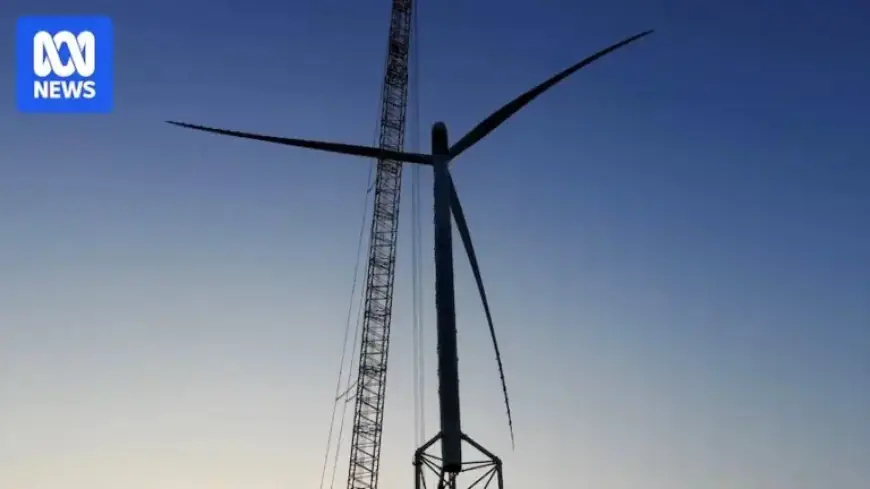
Fortescue Metals Group is embarking on a significant renewable energy initiative with a new wind farm project in Western Australia’s Pilbara region. The wind farm, located near Nullagine, will consist of 17 turbines generating a total capacity of 133 megawatts. Construction has officially commenced, marking a pivotal step in Fortescue’s strategy to reduce emissions associated with its iron ore production.
Fortescue’s Vision for the Pilbara Wind Farm
Situated approximately 1,360 kilometers northeast of Perth, the Nullagine wind farm aims to serve as a launchpad for future renewable energy projects in the region. CEO Dino Otranto has described the innovative design of the turbines as a “world first.” Scheduled for completion in 2027, this facility is part of a broader initiative to achieve competitive electricity costs while contributing to sustainability goals.
The Role of Renewable Energy in Mining
The mining sector significantly impacts Western Australia’s carbon footprint, contributing over 40% of the state’s total emissions. Traditional mining operations typically rely on diesel-powered machinery, increasing their carbon output. To combat this, many companies are turning towards renewable energy to decarbonize operations, particularly through solar energy projects.
- Less than 2% of energy in the Pilbara is currently renewable.
- Wind energy can supplement solar by generating power in the evening and late afternoon.
Challenges and Expert Insights
While Fortescue is recognized as a leader in operational decarbonization, the project faces challenges. Renewable energy consultant Ray Wills pointed out that working in the Pilbara presents significant obstacles, including extreme heat and cyclonic weather. Additionally, the cost of labor for a fly-in-fly-out workforce can be higher in remote locations.
- Fortescue’s wind turbines are set to reach heights of 277 meters, making them the tallest in Australia.
- Taller turbines can generate more energy with fewer units required.
Despite Fortescue’s ambitious plans, Wills remains skeptical about the potential for a surge in new wind farm projects in Northern Western Australia. He compared the cost efficiencies between wind and solar energy, noting that solar has become significantly more affordable.
The Path Forward for Renewable Energy
As Fortescue continues its journey to renewable energy, the company’s efforts could pave the way for similar projects in the Pilbara. The integration of wind energy with existing solar infrastructure may support the region’s transition to greener energy solutions. However, continued innovation and cost reduction are crucial for making renewable energy a viable alternative to traditional power sources.
In conclusion, Fortescue’s wind farm initiative highlights the growing focus on renewable energy in Australia’s mining sector. As the company moves forward, its success could influence future investments in sustainable energy solutions across the Pilbara region.