




















Williams Faces Major Setback with 2026 Car Development

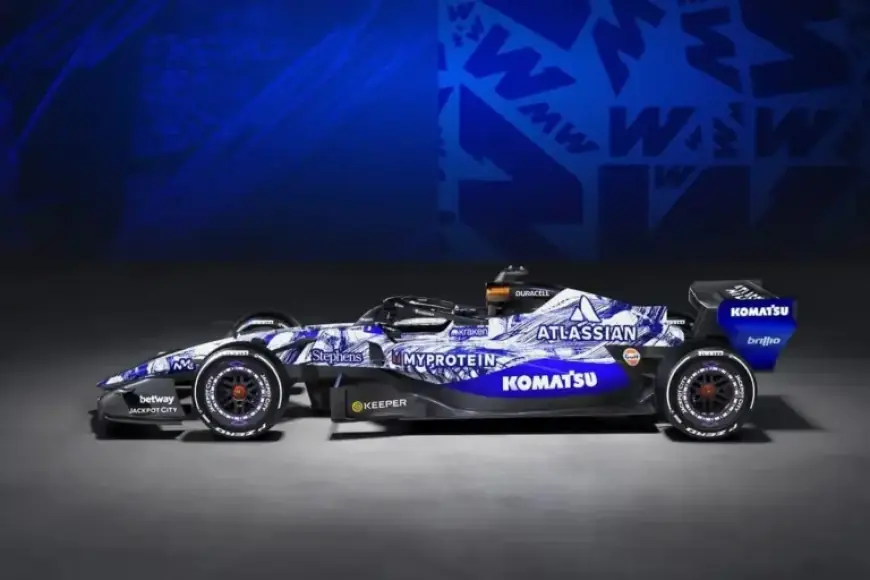
Williams Racing faces a significant hurdle as it decides to skip the Barcelona test, marking a substantial setback in its 2026 car development. This decision comes as the team grapples with delays in its FW48 program, crucial for maximizing car performance. Other teams will participate in the test, which runs from Monday to Friday next week, but Williams will not be among them.
Reasons for the Setback
The team has not provided specific details regarding the nature of the delays. There were initial concerns about the chassis’s readiness, but reports suggest it has successfully passed all necessary checks. However, complications such as a failed crash test could have extended development time, causing a backlog in production.
- Intercepted car build program due to architectural issues.
- Need for reinforcement in areas like monocoque or suspension design.
- No reported supplier or planning failures; issues seem internal.
2026 Regulations and Challenges
The 2026 regulations introduce a significant 30kg reduction in the overall minimum weight of the cars, despite heavier engines. This change has triggered the most considerable combination of car and engine adjustments in recent Formula 1 history, as described by industry veterans. The heightened demands from the FIA during homologation tests have also pressured teams.
- Intensified development process.
- Increased strain on manufacturing capabilities.
- Tight pre-season schedule including three tests: one in Spain and two in Bahrain.
The Implications of Missing the Test
By opting out of the Barcelona test entirely, Williams indicates a serious issue with its preparation. If it were a minor delay, the team would likely attempt to participate later in the week. The five-day test allows for running on only three days, so Williams could have opted for a shorter testing period but chose not to compromise on the car’s performance.
This absence from Barcelona highlights Williams’s struggle compared to other teams that have successfully met their deadlines. In contrast, competitors like Audi and Cadillac have already tested their cars, further illustrating the gap in development progress.
Virtual Testing Strategy
In response to this setback, Williams is implementing a virtual testing program as an alternative to the Barcelona test. This approach will involve extensive testing of the actual car and engine in a controlled environment, providing a more detailed evaluation than standard dyno tests. The team aims to utilize this time effectively to prepare for the crucial Bahrain test beginning on February 11.
Comparative Performance History
This situation is not unprecedented for Williams, which has faced substantial challenges in three of the last eight seasons. Past issues include missing out on portions of pre-season testing due to production delays. However, the current scenario appears to stem from a specific oversight rather than systemic failures.
While past setbacks, such as those in 2019 and 2024, were marked by severe consequences, the current strategy aims to ensure that disruptions do not impact the upcoming season significantly. Williams team principal James Vowles had been vocal about the need for ample track time to avoid repeating previous mistakes, emphasizing the importance of incorporating lessons learned and preparing thoroughly for the season ahead.
Conclusion
The decision to forgo the Barcelona test poses risks for Williams, but it also allows the team to focus on making necessary adjustments. Their priority remains on achieving readiness for the Bahrain test. With a strong finish in the constructors’ championship projected for the 2025 season, the stakes are high as Williams navigates these challenges in pursuit of better performance in 2026.