Bruce Willis Is Alive — Death Hoax Debunked as He Turns 71 in Eight Days

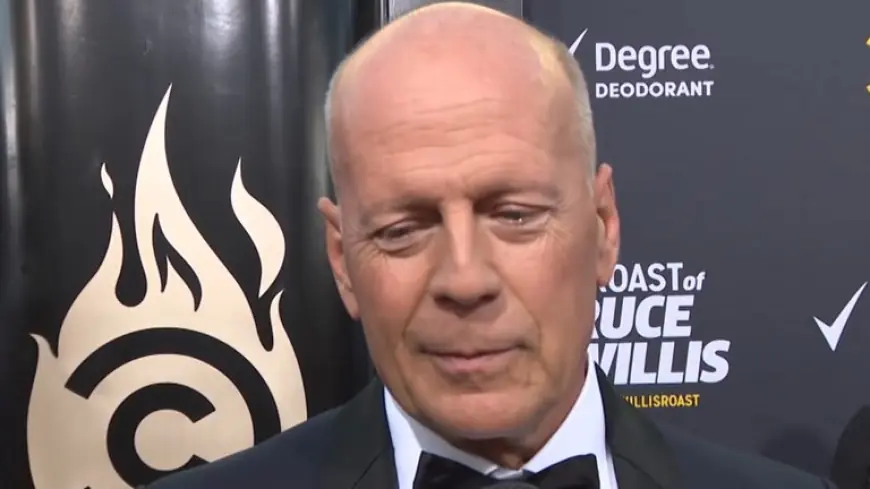
The Die Hard legend is not dead. A viral death hoax swept across social media platforms Saturday, sending millions of fans into a panic before his representatives shut it down in hours. What the hoax exposed, in doing so, is how little the public has seen of Willis in years — and how much his condition has quietly progressed.
The Hoax, Debunked
The false death report spread rapidly across social media on March 7, causing confusion and premature mourning among his global fanbase. Because Willis has stepped back from public life since his diagnosis, the false news spread more easily.
On Sunday, March 8, his representatives officially confirmed: "He joins the long list of celebrities who have been victimized by this hoax. He's still alive and well, stop believing what you see on the internet."
Willis turns 71 on March 19 — ten days from now. This is not the first false report to circulate since his diagnosis. His near-total absence from public life has made the hoaxes easier to believe and harder to kill quickly.
What Emma Heming Willis Has Said
The most substantive, verified update on his condition came from wife Emma Heming Willis in late January — and it was candid.
Emma told ABC News' Diane Sawyer: "Bruce is still very mobile. Bruce is in really great health overall — it's just his brain that is failing him. The language is going, and we've learned to adapt. We have a way of communicating with him, which is just a different way."
His speech deterioration is the newest milestone in a disease that has moved faster than those around him once hoped. Emma explained the neurological condition called anosognosia — where the brain cannot identify what is happening to it — saying it is not denial but a genuine feature of the disease itself. Willis never connected the dots that he had it. "I'm really happy he doesn't know about it," she said.
He still knows his family. Emma confirmed that because he has frontotemporal dementia and not Alzheimer's, he remains very present in his body — his way of connecting with her and their children is different from before, but still meaningful.
A Separate Home, an Unchanged Commitment
Emma made the difficult decision to move Bruce into a separate home where he could receive around-the-clock care — his need for a quiet, calm space meant their daughters Mabel, 13, and Evelyn, 11, could not enjoy time with friends or play freely around the house. The arrangement reflects caregiving logistics, not distance. Emma has not stepped back from his care in any meaningful sense.
She published her book, The Unexpected Journey, in 2025, offering insight into the difficult decisions she has faced since his diagnosis.
Demi Moore's Tribute
His ex-wife has been consistently vocal in her support of Emma's handling of the situation. Moore recently recalled a weekly tradition from their marriage: Bruce had a standing "Neil Diamond Day" each week. "I'd say, 'What's going on?' And he would say, 'It's Neil Diamond day!'"
Moore told The Oprah Podcast: "There's no way that anybody could have anticipated where this was going to go. And I really think she's done a masterful job. She has been so dedicated to forging the right path — with equal amounts of fear and strength and courage."
The Disease and the Timeline
Willis first received an aphasia diagnosis in March 2022 — a language disorder caused by brain damage. He was subsequently diagnosed with frontotemporal dementia in February 2023.
The average life expectancy for someone with frontotemporal dementia is seven to thirteen years after diagnosis. He is three years in.
Willis's family has decided to donate his brain to science after his death, a decision Emma announced publicly as part of her broader FTD advocacy work.