Very claim by President Trump vs. Ayatollah Mojtaba Khamenei: What it reveals

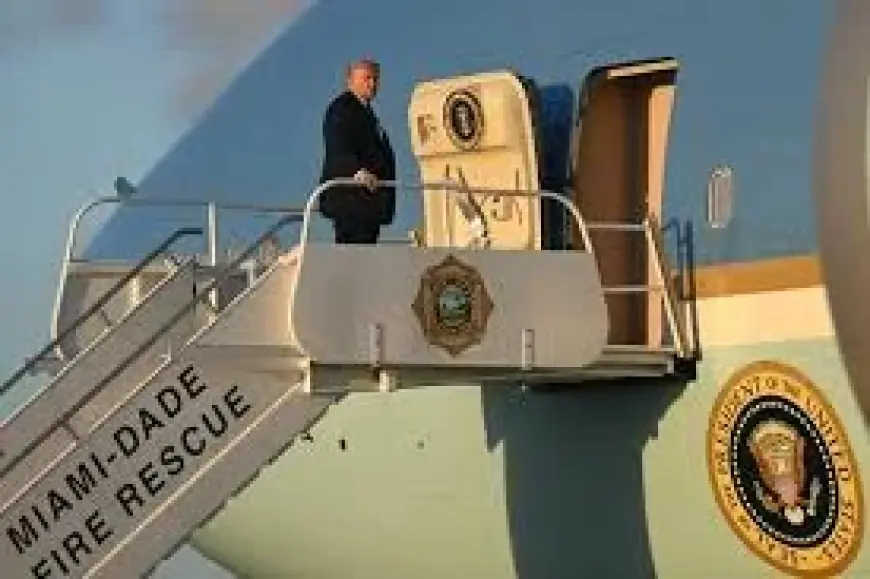
President Trump and Ayatollah Mojtaba Khamenei are the two poles of the moment: the president framed U. S. operations as “very” nearly finished, while Iran moved to install a new supreme leader and maritime traffic through the Strait of Hormuz effectively halted. This comparison asks: do the military indicators Trump cites line up with Iran’s political continuity and the economic shocks on oil?
Very: President Trump’s claim that the war is “very complete” and military measures
President Trump said the U. S. war with Iran could almost be over and explicitly called the war “very complete. ” He cited broad degradation of Iranian forces and pointed to a U. S. military tally that struck more than 3, 000 Iranian targets in the first week of operations. He also reiterated an early estimate that the war would take about a month and said “we’re very far ahead of schedule. “
On the human-cost metric, seven Americans have died in combat so far, and the administration scheduled a dignified transfer for U. S. Army Sgt. Benjamin Pennington, who was wounded in a March 1 attack at Prince Sultan Air Base in Saudi Arabia.
Ayatollah Mojtaba Khamenei: Iran’s leadership move and its signals
Late Sunday, Iran announced that Ayatollah Mojtaba Khamenei would replace his father as Iran’s supreme leader, a clear sign of political continuity inside Iran despite U. S. strikes. Iran’s leadership change appears alongside Tehran’s ongoing military losses as described by the U. S. claim, but the naming itself constitutes a domestic consolidation not measured by target counts.
At the same time, the Department of Defense posted messages stating “We have Only Just Begun to Fight” and “no mercy, ” language that contrasts with the president’s public framing and signals continued operational intensity from the U. S. military side.
Strait of Hormuz: oil moves, shipping stoppage and where the split matters
Commercial shipping through the Strait of Hormuz, the route tied to a substantial share of global oil flows, has effectively ground to a halt. That stoppage fed wild market moves: the U. S. benchmark for crude oil briefly dropped as much as 13. 7%, or roughly $13 per barrel, shortly after the president’s interview before rebounding later that day.
President Trump asserted the strait was open and claimed ships had been entering, while also saying he was “thinking about taking it over” if Iran inhibited the waterway. The contradiction—shipping effectively halted while the president claimed access—exposes a gap between operational reality at sea and public assertions about control.
| Metric | President Trump’s claim | Iran’s action or effect |
|---|---|---|
| Military effect | More than 3, 000 Iranian targets struck in first week | Leadership continuity with Ayatollah Mojtaba Khamenei’s naming |
| Maritime control | President said the strait is open and considered taking it over | Commercial shipping through the Strait of Hormuz effectively halted |
| Economic signal | President framed rapid progress; markets moved on his comments | Oil prices swung: crude fell as much as 13. 7% then rebounded |
| Human cost | President emphasized quick end; seven Americans have died | U. S. Army Sgt. Benjamin Pennington died after a March 1 attack |
One clear divergence is visible: the president measures success by battlefield degradation and timelines, while Iran’s leadership decision and the maritime stoppage reflect political resilience and economic disruption that battlefield tallies alone do not capture.
Finding: Placing President Trump’s “very complete” military claim alongside Iran’s naming of Ayatollah Mojtaba Khamenei and the halt in Strait of Hormuz traffic reveals that operational strike counts and political continuity are not interchangeable measures of success. If U. S. strikes maintain the pace that produced more than 3, 000 targets in the first week, the comparison suggests the military pressure will continue to shape Iran’s capabilities; however, if maritime access remains blocked and Iran consolidates leadership, those military gains may not translate into restored regional stability.
The next confirmed event that will test this finding is the dignified transfer that Vice President JD Vance is scheduled to attend later Monday; that event will keep casualties and domestic political cost visible while markets and shipping patterns continue to register the war’s wider effects.