









Derrick Rose’s jersey retirement becomes a Chicago homecoming—and a final rewrite of an unfinished era

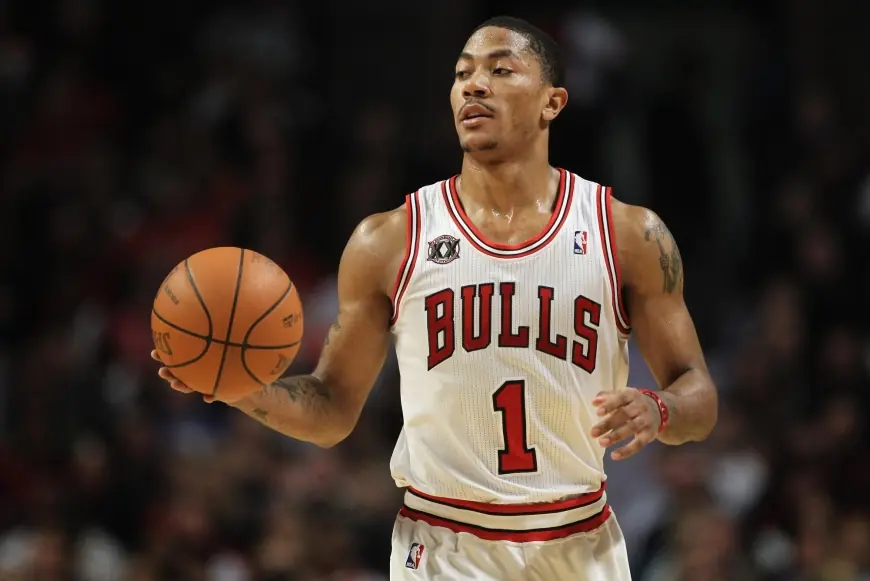
Chicago is about to turn a basketball honor into something closer to a city ritual. On Saturday night, the Bulls will retire Derrick Rose’s No. 1 jersey at the United Center during a home game against the Boston Celtics, permanently shelving the number and lifting it alongside the franchise’s most iconic banners. It’s not just a celebration of peak performance; it’s an act of closure for fans who lived through the whiplash of a meteoric rise, a brutal injury detour, and years of “what if” conversations that never quite stopped.
For Chicago, this moment hits differently because Rose isn’t an adopted hero—he’s a hometown one. His story has always been intertwined with neighborhoods, gyms, and pride as much as it’s been tied to box scores. Retiring the jersey signals the franchise is officially framing his era as legacy, not lost opportunity.
The impact lands beyond the court: identity, grief, and belonging
A jersey retirement usually says, “You were great here.” This one also says, “You mattered here even when it hurt.”
Rose’s peak years carried a specific kind of civic energy: fast, fearless, locally rooted. When he became the youngest MVP in league history in 2011, it felt like the city’s basketball future arrived early. Then the 2012 knee injury didn’t just change a season—it changed the relationship between the fan base and the idea of certainty. Chicago spent more than a decade telling the Rose story in fragments: brilliance, stoppage, comeback attempts, departures, and the lingering question of how to honor a superstar whose best chapter ended too soon.
Saturday’s ceremony is the cleanest answer the franchise can offer. By putting No. 1 in the rafters, the Bulls are choosing to memorialize the feeling Rose gave the city—hope that looked plausible—rather than judging his legacy by the championships that never followed.
The build-up has already been emotional. On Friday, Rose was brought into the arena and shown his banner for the first time ahead of the official retirement night, a preview that underscored how personal this weekend is for him and for the building that watched his rise.
The night itself is being designed as a full-stadium celebration
The Bulls aren’t treating this like a quick halftime segment. The organization has shaped the event as a top-to-bottom fan experience—part ceremony, part reunion, part cultural drop.
Expectations for Saturday include:
-
A formal jersey retirement ceremony placing No. 1 among the team’s permanently honored numbers.
-
Rose-themed concessions with nods to his identity and accolades, including custom sweets, specialty items, and playful “No. 1” touches.
-
A co-branded retail collection created with Rose, built as a limited, commemorative release timed to the retirement weekend.
-
In-arena activations such as interactive displays and tribute areas that make the arena feel like a museum for one night.
-
Season-long tie-ins that extend beyond this game, including promotional giveaways on additional dates.
This approach matters because it positions Rose’s retirement as an event fans participate in, not just witness. It also reflects how the Bulls want the story remembered: not as a cautionary tale about injuries, but as a Chicago-centered era that shaped a generation of fans.
Mini timeline of how Chicago got here
-
2008: Rose arrives as the No. 1 pick and instantly becomes the face of a new Bulls era.
-
2011: He reaches the sport’s highest individual tier with an MVP season, turning belief into expectation.
-
2012: The knee injury reframes everything—career arc, franchise momentum, and the city’s sense of “next.”
-
September 2024: Rose announces his retirement from basketball.
-
January 24, 2026: No. 1 is set to rise; how often Rose becomes part of the Bulls’ public future will be clearer after the ceremony glow fades.
Why this resonates now, not just as nostalgia
Chicago has had time—enough time—to separate the athlete from the ache of the derailment. That distance is why the retirement lands as reconciliation instead of regret. The city can celebrate Rose as both a once-in-a-generation talent and a symbol of resilience, without pretending the ending was easy.
There’s also a subtle signal to the current franchise: eras are built on meaning as much as results. Rose’s Bulls didn’t deliver the final prize fans dreamed about, but they restored relevance and gave the team a distinct identity. Hanging No. 1 tells the next wave of players that Chicago remembers the ones who made the city feel something unmistakable—and made it feel local.