Olympia Income Tax Faces Backlash; Democratic Leader Targets Opposing Businesses

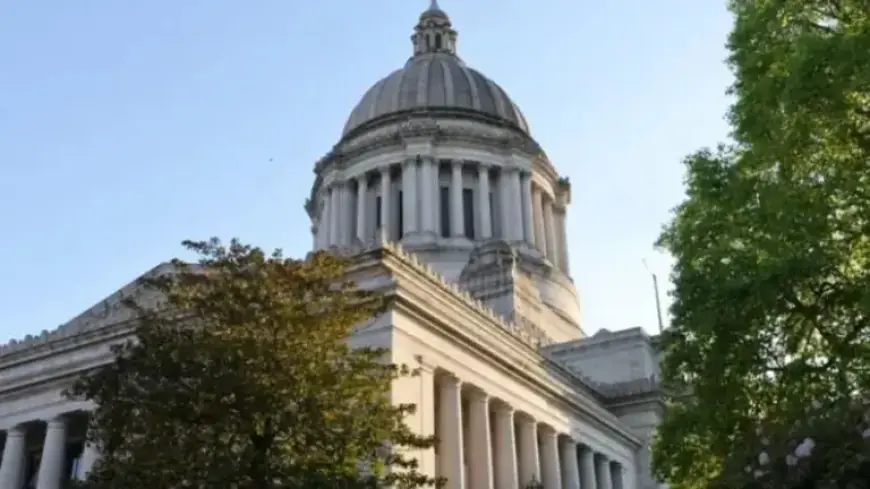
The Washington State legislature is poised to enact a millionaire income tax, a decision generating significant discussion among residents and businesses. This bill, however, has built-in provisions that prevent it from being subjected to a public referendum. The implications of this legislative move raise concerns about potential future tax adjustments and their management.
Concerns About Future Tax Thresholds
As lawmakers implement the millionaire income tax, many speculate about the possibility of lowering the income threshold in subsequent sessions. This could lead to taxes being applied to those earning $500,000, $250,000, or even $100,000, all without public voting opportunities. Consequently, the initiative process might be the last recourse for citizens wishing to voice their opinions.
Senate Bill 6358: A New Legislative Proposal
In response to the ongoing income tax debate, Senator Bob Hasegawa from Tukwila introduced Senate Bill 6358. This proposed legislation aims to dissolve any business entity that spends funds opposing a ballot measure, which could be detrimental for corporations, LLCs, and nonprofits alike.
Key Provisions of SB 6358
- The bill could lead to the dissolution of businesses supporting anti-ballot initiatives.
- Business owners would be personally liable for debts incurred if their companies are dissolved under this legislation.
- Labor unions are exempt from these penalties and can continue financial support for election campaigns.
Despite its introduction, analysts suggest the bill lacks a viable pathway for passage this session, owing to constitutional limitations and timing. Hasegawa explained that the bill was primarily intended to generate a dialogue about the influence of money in politics, referencing similar debates in states like Montana and California.
The Broader Discussion on Money in Politics
Statistics reveal a dramatic increase in independent political funding, climbing from $144 million in 2008 to an estimated $4.21 billion in 2024. Hasegawa asserted that his initiative seeks to redistribute political power away from corporations and back to individuals.
Reactions from Legislative Leaders
Senate Majority Leader Jamie Pedersen addressed reporters, acknowledging the political landscape and welcoming public discourse about Washington’s tax structure. Notably, he anticipates opponents will pursue initiatives challenging the millionaire income tax, indicating a belief that Democrats can successfully navigate such challenges.
This confidence raises questions about the purpose of Hasegawa’s proposal. If Democrats believe they can withstand initiative campaigns, why implement measures that could hinder opposition organizations?
Implications for Future Political Landscapes
The ramifications of SB 6358 extend beyond the current legislative session. Critics warn that similar measures could be weaponized in the future against groups advocating for progressive causes, such as transgender rights. Such dynamics highlight the risks associated with legislative power and its potential misuse in changing political climates.
In conclusion, as discussions about the millionaire income tax unfold, Senate Bill 6358’s introduction poses critical questions about the balance of power in political campaigning and the long-term impact on Washington’s democratic processes.