College Sports CEO: System Struggles with Surging ‘Manufactured’ NIL Deals

The ongoing evolution of the college sports landscape has introduced new challenges surrounding Name, Image, and Likeness (NIL) deals. Bryan Seeley, CEO of the College Sports Commission (CSC), highlighted significant issues arising from a surge in school-affiliated NIL arrangements, which may not align with established rules. This situation became prominent during recent athletic transfer cycles.
Surge in NIL Deals and Compliance Challenges
During a press call, Seeley pointed out that the current system is struggling to process the volume of deals stemming from school-associated entities. These include NIL collectives and multimedia rights partners. Many athletes have received lucrative offers without proper approvals from the NIL Go platform, the CSC’s designated clearinghouse.
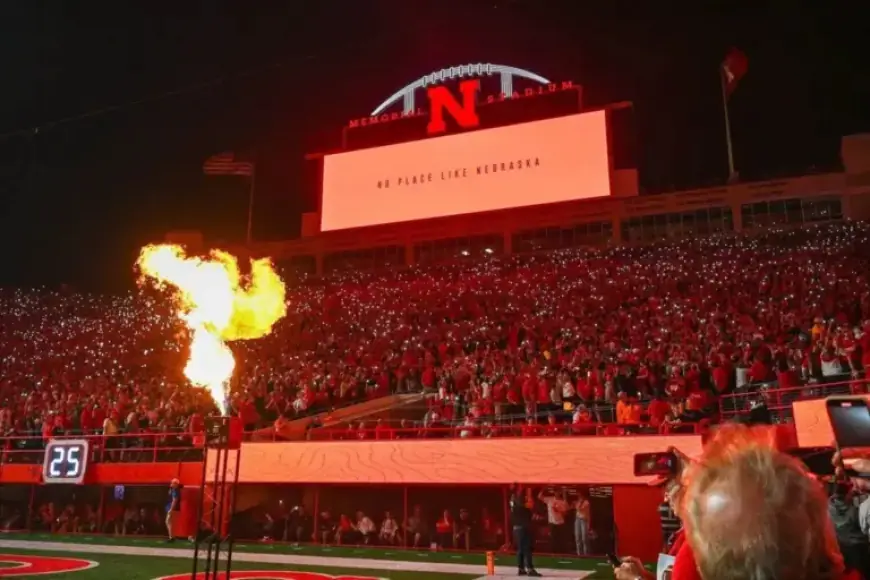
- 18 Nebraska football players are contesting the CSC’s rejection of deals cumulatively exceeding $1 million.
- The CSC has recorded over 21,000 deals cleared since the inception of the NIL Go platform, amounting to approximately $166.5 million.
- However, 711 deals worth around $29.3 million remain unapproved, underscoring the backlog and scrutiny facing third-party submissions.
Increased Review Times
The influx of “manufactured” NIL arrangements has caused the review process to extend beyond standard timelines. Seeley acknowledged that the initial expectations underestimated the complexity and volume of these associated deals. Historically, approximately 50% of all submitted deals were resolved within 24 hours, with 70% cleared within a week. Current figures suggest that associated NIL submissions have increased by 65% in recent months.
The Role of Associated Entities
Associated entities—those financially connected to a school, such as donor-led collectives—are now subject to heightened examination. Seeley indicated that the rise in these deals has complicated the enforcement of compliance guidelines. He described the scenario where top programs may spend beyond their revenue-sharing capabilities, pushing the limits of NIL regulations.
- Projected spending for some football programs is exceeding $40 million for the 2026 season.
- Many NIL deals, especially for elite players, include substantial front-end guarantees that deviate from House settlement stipulations.
Systemic Challenges Ahead
Despite the growing landscape of NIL, the CSC faces hurdles, particularly concerning a necessary participant agreement. This agreement would mandate cooperation from schools in compliance investigations and streamline enforcement actions. Coach Ryan Day from Ohio State expressed concerns about the current environment fostering a culture of circumventing established rules.
Seeley noted that resistance to signing the participant agreement hinders enforcement capabilities. Although the CSC is scaling its staffing, the primary issue resides in the inadequate design of the regulatory framework to manage the high volume of associated deals.
As new transfer windows approach for both men’s and women’s basketball, the CSC is poised to confront these ongoing challenges while working toward a more efficient NIL processing system.