Byron Nuclear Plant chemical exposure response draws multiple agencies

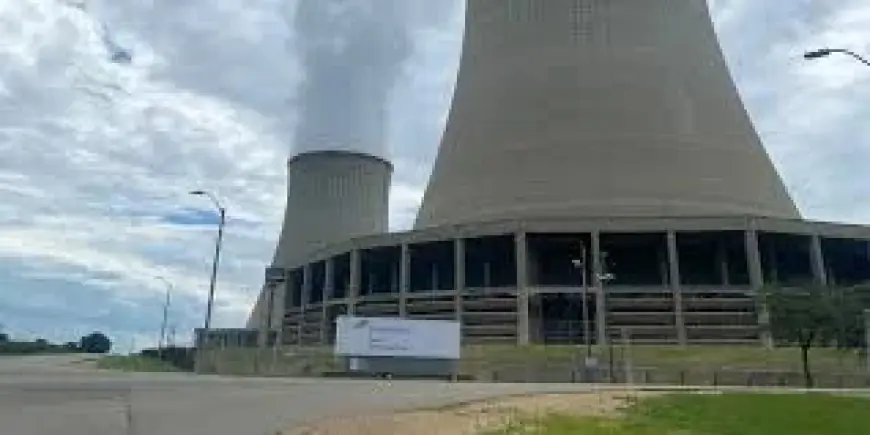
Multiple ambulances were called to the byron nuclear plant in Byron, Illinois, after reports of chemical exposure, with emergency crews arriving just before 5: 45 p. m. ET. Initial reports said at least half a dozen people were exposed, setting in motion a multi-agency response even as key details—what chemical was involved and how serious the injuries are—remained unconfirmed.
Byron Nuclear Plant emergency response
Emergency crews reached the plant just before 5: 45 p. m. ET, a rapid deployment that included multiple ambulances and confirmed personnel from Byron, Rockford, Pecatonica, and German Valley. The breadth of the response indicates officials treated the report as operationally urgent, even while the incident’s most basic technical facts were still unclear.
Ogle County Sheriff Brian VanVickle confirmed there were no deaths. That confirmation narrows one critical uncertainty early in the incident, but it does not resolve what responders and plant officials still needed to determine at the scene: the identities of the chemicals involved and whether any exposures created lasting medical risk.
Ogle County Sheriff VanVickle details
Initial reports described “at least half a dozen” people exposed to chemicals. The figures point to a situation large enough to require triage and coordination, while still leaving open whether the count will change as more information is verified. For now, the extent of injuries is unknown, and the chemical itself has not been identified—two gaps that typically shape how responders classify a hazard and what protective measures they take.
The pattern suggests that confirmation will likely come in stages: first the exact number of people affected, then the chemical involved, then the severity of symptoms or injuries. Until those pieces are clarified, public understanding of the incident will remain limited to what is already confirmed: the response scale, the initial exposure estimate, and the absence of fatalities.
Unit One outage timing
Last week, the plant began a refueling and maintenance outage on Unit One. That detail matters because it provides the only confirmed operational context for why additional activity may have been occurring at the site around the time emergency crews were dispatched. Still, the current information does not establish any direct connection between the outage work and the reported chemical exposure, and it would be premature to treat timing alone as causation.
The next confirmed developments are the identification of the chemical involved and an update on the extent of injuries, neither of which has been provided yet. If those details show the exposure was limited and contained, the data suggests the multi-department response may be remembered primarily as a precautionary mobilization; if not, officials will need to explain how the exposure occurred at the byron nuclear plant during the Unit One outage period.